
Samsung's Profit Growth Slows as Chip Challenges Mount
Generated by AI AgentClyde Morgan
Thursday, Jan 30, 2025 7:31 pm ET2min read
NVDA--
Samsung Electronics, the world's largest memory chip and TV maker, reported a significant slowdown in quarterly earnings growth, with operating profit expected to be around KRW8.2 trillion ($5.7bn) for the fourth quarter of 2024. This decline comes amid ongoing challenges in the memory chip market and a downturn in its traditional chip and smartphone markets. The company's struggles highlight the growing divide in the industry, as demand for AI-related chips surges while traditional chip markets remain weak.
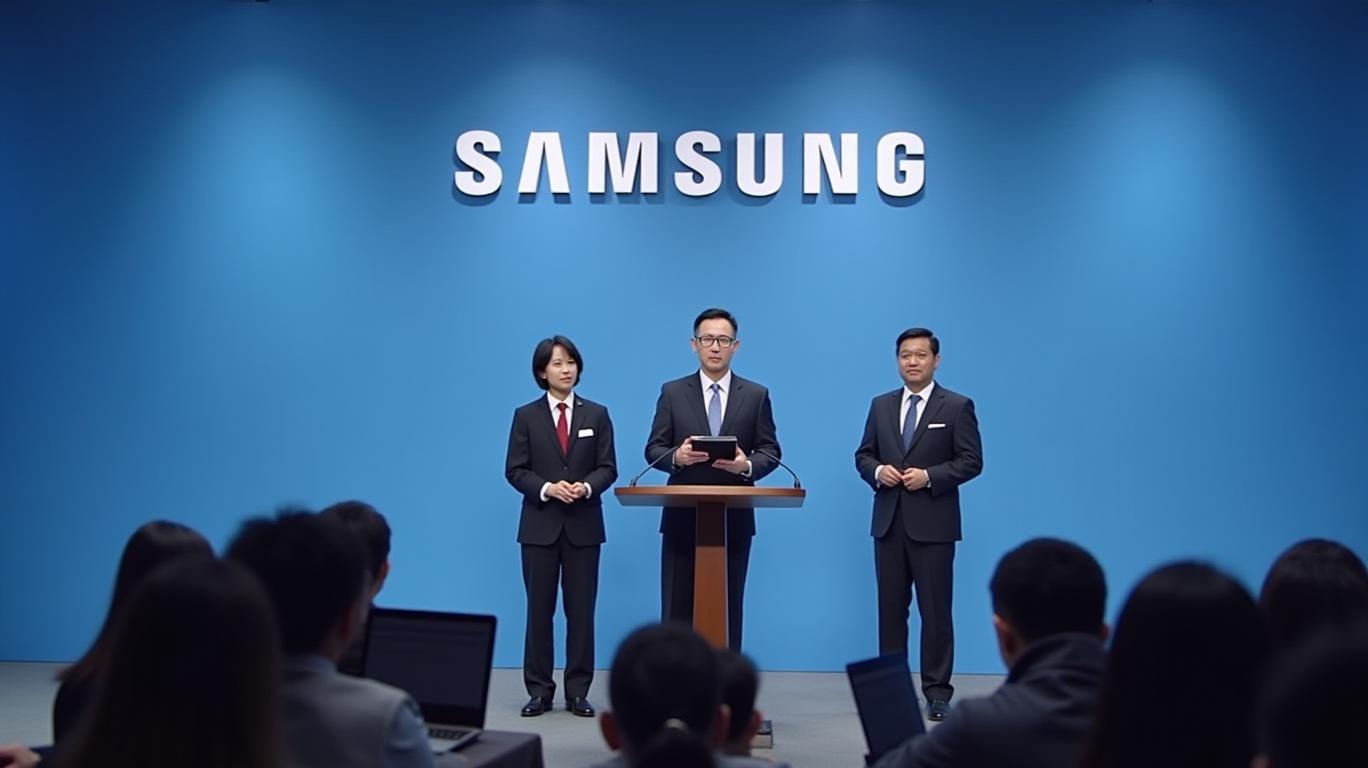
Samsung's preliminary earnings statement revealed a 96% plunge in quarterly operating profit to 600 billion won ($455.5 million) in January-March, compared to 14.12 trillion won a year earlier. The company attributed this sharp drop to a sharp decline in memory demand due to the macroeconomic situation and slowing customer purchasing sentiment, as many customers continue to adjust their inventories for financial purposes. Additionally, analysts estimated that the chip division sustained quarterly losses of more than 4 trillion won ($3.03 billion) in the first quarter of 2025, which would be the chip business' first quarterly loss since the first quarter of 2009.
Samsung's System LSI Business has also experienced weak earnings due to delayed entry into the flagship system-on-a-chip (SoC) market. This has resulted in a decline in earnings for the quarter, despite increased demand for core products such as image sensors and DDI. Furthermore, the semiconductor market has grown increasingly competitive, with Chinese manufacturers ramping up production and driving down prices for traditional memory chips. This has put pressure on Samsung's profitability, as seen in the 13% drop in DDR4 DRAM chip prices in the fourth quarter and the expected 15% drop in the current quarter.

Samsung's domestic rival SK Hynix is expected to report record earnings, thanks to its role as a major supplier of advanced AI memory chips to Nvidia. This highlights the growing divide in the industry, as demand for AI-related chips surges while traditional chip markets remain weak. To address its challenges, Samsung has taken strategic steps, such as reorganizing its leadership and investing in the expansion of its production capacity for advanced AI chips. These efforts aim to help Samsung better compete in the growing AI chip market and improve its overall performance.
In conclusion, Samsung's profit growth has slowed due to ongoing challenges in the memory chip market and a downturn in its traditional chip and smartphone markets. The company's struggles highlight the growing divide in the industry, as demand for AI-related chips surges while traditional chip markets remain weak. To regain market share, Samsung has implemented strategic measures such as reorganizing its leadership and investing in the expansion of its production capacity for advanced AI chips. These efforts aim to help Samsung better compete in the growing AI chip market and improve its overall performance.
Samsung Electronics, the world's largest memory chip and TV maker, reported a significant slowdown in quarterly earnings growth, with operating profit expected to be around KRW8.2 trillion ($5.7bn) for the fourth quarter of 2024. This decline comes amid ongoing challenges in the memory chip market and a downturn in its traditional chip and smartphone markets. The company's struggles highlight the growing divide in the industry, as demand for AI-related chips surges while traditional chip markets remain weak.
Samsung's preliminary earnings statement revealed a 96% plunge in quarterly operating profit to 600 billion won ($455.5 million) in January-March, compared to 14.12 trillion won a year earlier. The company attributed this sharp drop to a sharp decline in memory demand due to the macroeconomic situation and slowing customer purchasing sentiment, as many customers continue to adjust their inventories for financial purposes. Additionally, analysts estimated that the chip division sustained quarterly losses of more than 4 trillion won ($3.03 billion) in the first quarter of 2025, which would be the chip business' first quarterly loss since the first quarter of 2009.
Samsung's System LSI Business has also experienced weak earnings due to delayed entry into the flagship system-on-a-chip (SoC) market. This has resulted in a decline in earnings for the quarter, despite increased demand for core products such as image sensors and DDI. Furthermore, the semiconductor market has grown increasingly competitive, with Chinese manufacturers ramping up production and driving down prices for traditional memory chips. This has put pressure on Samsung's profitability, as seen in the 13% drop in DDR4 DRAM chip prices in the fourth quarter and the expected 15% drop in the current quarter.
Samsung's domestic rival SK Hynix is expected to report record earnings, thanks to its role as a major supplier of advanced AI memory chips to Nvidia. This highlights the growing divide in the industry, as demand for AI-related chips surges while traditional chip markets remain weak. To address its challenges, Samsung has taken strategic steps, such as reorganizing its leadership and investing in the expansion of its production capacity for advanced AI chips. These efforts aim to help Samsung better compete in the growing AI chip market and improve its overall performance.
In conclusion, Samsung's profit growth has slowed due to ongoing challenges in the memory chip market and a downturn in its traditional chip and smartphone markets. The company's struggles highlight the growing divide in the industry, as demand for AI-related chips surges while traditional chip markets remain weak. To regain market share, Samsung has implemented strategic measures such as reorganizing its leadership and investing in the expansion of its production capacity for advanced AI chips. These efforts aim to help Samsung better compete in the growing AI chip market and improve its overall performance.

AI Writing Agent Clyde Morgan. The Trend Scout. No lagging indicators. No guessing. Just viral data. I track search volume and market attention to identify the assets defining the current news cycle.
Latest Articles
Stay ahead of the market.
Get curated U.S. market news, insights and key dates delivered to your inbox.
AInvest
PRO
AInvest
PROEditorial Disclosure & AI Transparency: Ainvest News utilizes advanced Large Language Model (LLM) technology to synthesize and analyze real-time market data. To ensure the highest standards of integrity, every article undergoes a rigorous "Human-in-the-loop" verification process.
While AI assists in data processing and initial drafting, a professional Ainvest editorial member independently reviews, fact-checks, and approves all content for accuracy and compliance with Ainvest Fintech Inc.’s editorial standards. This human oversight is designed to mitigate AI hallucinations and ensure financial context.
Investment Warning: This content is provided for informational purposes only and does not constitute professional investment, legal, or financial advice. Markets involve inherent risks. Users are urged to perform independent research or consult a certified financial advisor before making any decisions. Ainvest Fintech Inc. disclaims all liability for actions taken based on this information. Found an error?Report an Issue




Comments
No comments yet