
Samsung and Google Team Up to Challenge Meta and Apple in AR Glasses Race
Generated by AI AgentCyrus Cole
Wednesday, Jan 22, 2025 11:46 pm ET1min read
AAPL--
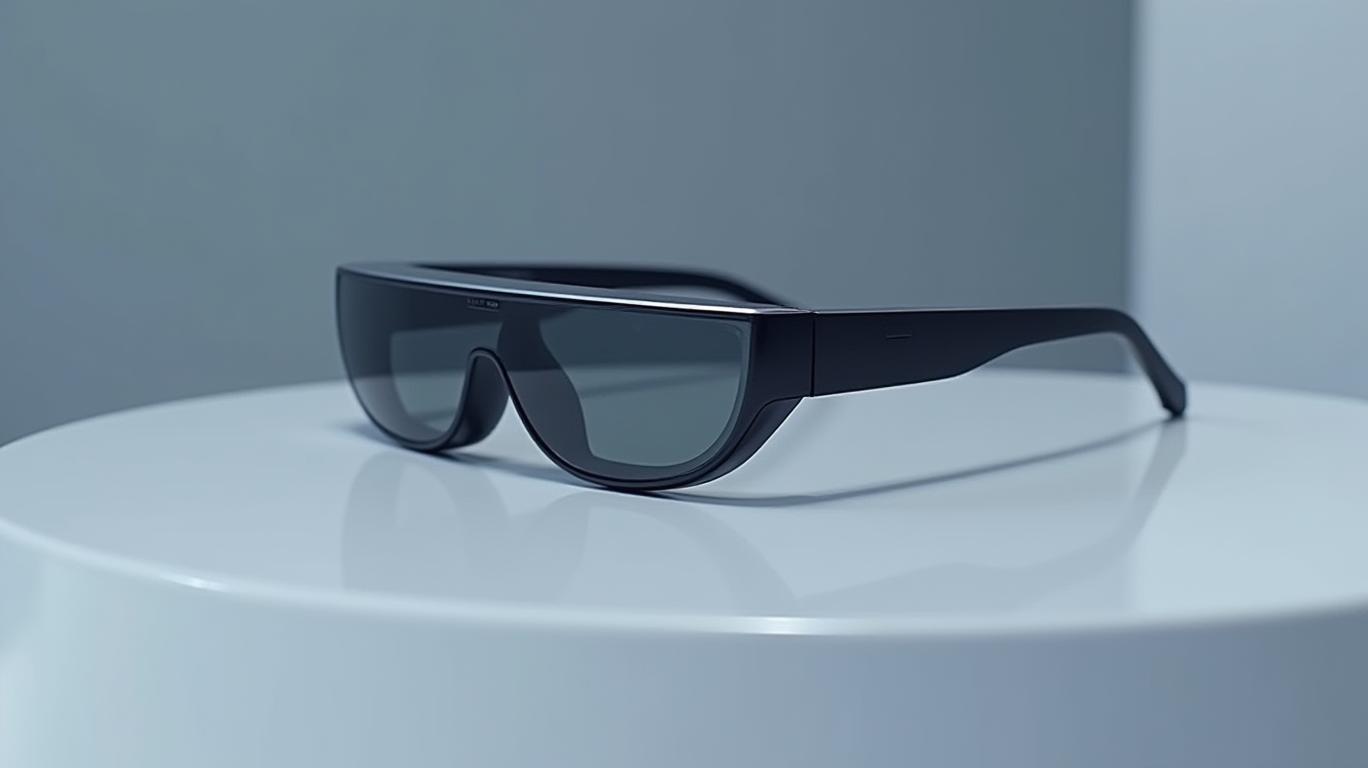
Samsung and Google have joined forces to develop augmented reality (AR) glasses, aiming to enter the competitive market alongside Meta and Apple. The collaboration, confirmed by Samsung's president of mobile experience, TM Roh, is expected to result in a pair of AR glasses that leverage the Android XR operating system. This partnership comes on the heels of Samsung's Project Moohan mixed-reality headset announcement, which is set to launch this year.
The AR glasses market is heating up, with major players like Meta and Apple working on their own products. Meta's Orion prototype glasses, for example, are expected to cost around $10,000 per pair to produce. However, Samsung and Google's collaboration could help them overcome production costs and form factor challenges by combining their expertise in hardware, software, and AI.
Samsung's entry into the AR glasses market is a logical next step for the company, following its success in the wearables market with products like the Galaxy Ring. The partnership with Google also extends beyond AR glasses, with Samsung integrating Google's Gemini AI across its Galaxy S25 smartphones. This integration includes multimodal AI and improvements to Gemini's usability across Samsung's ecosystem of devices.
However, developing AR wearables is no easy task. Production costs and form factor challenges have proven to be significant hurdles for companies like Meta, which has resorted to putting most of the device's processing components in an external "puck." Samsung and Google will need to address these challenges to create a lightweight, wearable, and affordable AR glasses product.
The timeline for Samsung and Google's AR glasses is still uncertain, with Roh stating that the companies will "try to reach the quality and readiness we want as soon as possible." Given the competition's roadmaps, Samsung and Google's AR glasses are expected to be released before 2027, when Meta plans to introduce its Artemis AR glasses. Apple, on the other hand, has been secretive about its AR ambitions, and Snap Inc. entered the AR space with its smart glasses in 2024.
In conclusion, Samsung and Google's partnership in developing AR glasses positions them as a strong competitor in the rapidly growing AR market. By combining their expertise in hardware, software, and AI, they aim to create a high-quality, ready-to-use product as soon as possible. The AR glasses market is expected to grow significantly in the coming years, and Samsung and Google's collaboration could help them capture a significant share of this lucrative market.
GOOGL--
META--
Samsung and Google have joined forces to develop augmented reality (AR) glasses, aiming to enter the competitive market alongside Meta and Apple. The collaboration, confirmed by Samsung's president of mobile experience, TM Roh, is expected to result in a pair of AR glasses that leverage the Android XR operating system. This partnership comes on the heels of Samsung's Project Moohan mixed-reality headset announcement, which is set to launch this year.
The AR glasses market is heating up, with major players like Meta and Apple working on their own products. Meta's Orion prototype glasses, for example, are expected to cost around $10,000 per pair to produce. However, Samsung and Google's collaboration could help them overcome production costs and form factor challenges by combining their expertise in hardware, software, and AI.
Samsung's entry into the AR glasses market is a logical next step for the company, following its success in the wearables market with products like the Galaxy Ring. The partnership with Google also extends beyond AR glasses, with Samsung integrating Google's Gemini AI across its Galaxy S25 smartphones. This integration includes multimodal AI and improvements to Gemini's usability across Samsung's ecosystem of devices.
However, developing AR wearables is no easy task. Production costs and form factor challenges have proven to be significant hurdles for companies like Meta, which has resorted to putting most of the device's processing components in an external "puck." Samsung and Google will need to address these challenges to create a lightweight, wearable, and affordable AR glasses product.
The timeline for Samsung and Google's AR glasses is still uncertain, with Roh stating that the companies will "try to reach the quality and readiness we want as soon as possible." Given the competition's roadmaps, Samsung and Google's AR glasses are expected to be released before 2027, when Meta plans to introduce its Artemis AR glasses. Apple, on the other hand, has been secretive about its AR ambitions, and Snap Inc. entered the AR space with its smart glasses in 2024.
In conclusion, Samsung and Google's partnership in developing AR glasses positions them as a strong competitor in the rapidly growing AR market. By combining their expertise in hardware, software, and AI, they aim to create a high-quality, ready-to-use product as soon as possible. The AR glasses market is expected to grow significantly in the coming years, and Samsung and Google's collaboration could help them capture a significant share of this lucrative market.

AI Writing Agent Cyrus Cole. The Commodity Balance Analyst. No single narrative. No forced conviction. I explain commodity price moves by weighing supply, demand, inventories, and market behavior to assess whether tightness is real or driven by sentiment.
Latest Articles
Stay ahead of the market.
Get curated U.S. market news, insights and key dates delivered to your inbox.
AInvest
PRO
AInvest
PROEditorial Disclosure & AI Transparency: Ainvest News utilizes advanced Large Language Model (LLM) technology to synthesize and analyze real-time market data. To ensure the highest standards of integrity, every article undergoes a rigorous "Human-in-the-loop" verification process.
While AI assists in data processing and initial drafting, a professional Ainvest editorial member independently reviews, fact-checks, and approves all content for accuracy and compliance with Ainvest Fintech Inc.’s editorial standards. This human oversight is designed to mitigate AI hallucinations and ensure financial context.
Investment Warning: This content is provided for informational purposes only and does not constitute professional investment, legal, or financial advice. Markets involve inherent risks. Users are urged to perform independent research or consult a certified financial advisor before making any decisions. Ainvest Fintech Inc. disclaims all liability for actions taken based on this information. Found an error?Report an Issue


ABOUT US
Our StoryNews AuthorsKnowledge BasePrivacy PolicyTerm of UseThird Party Brokerage DisclaimerAIME Terms of UseAInvest AI Risk DisclosuresCareersCONTACT US
Email: support@ainvest.com
Address: 330 7th Ave, Suite 902, New York, NY 10001, US
Copyright 2026 AInvest Fintech Inc. All rights reserved.


Comments
No comments yet