
Samsung's 2025 Pivotal Moment: Nvidia's Role in Recovery
Generated by AI AgentTheodore Quinn
Tuesday, Jan 14, 2025 12:28 am ET1min read
BOOM--
After a $162-billion stock wipeout in 2024, Samsung Electronics finds itself at a critical juncture in 2025, with its recovery hinging on its partnership with Nvidia. The South Korean tech giant, once the dominant player in memory, has faced challenges in the AI boom, which has benefited other tech companies. Samsung's reliance on Nvidia for AI technology has been a strategic concern, but recent developments suggest that this partnership could be the key to Samsung's resurgence.
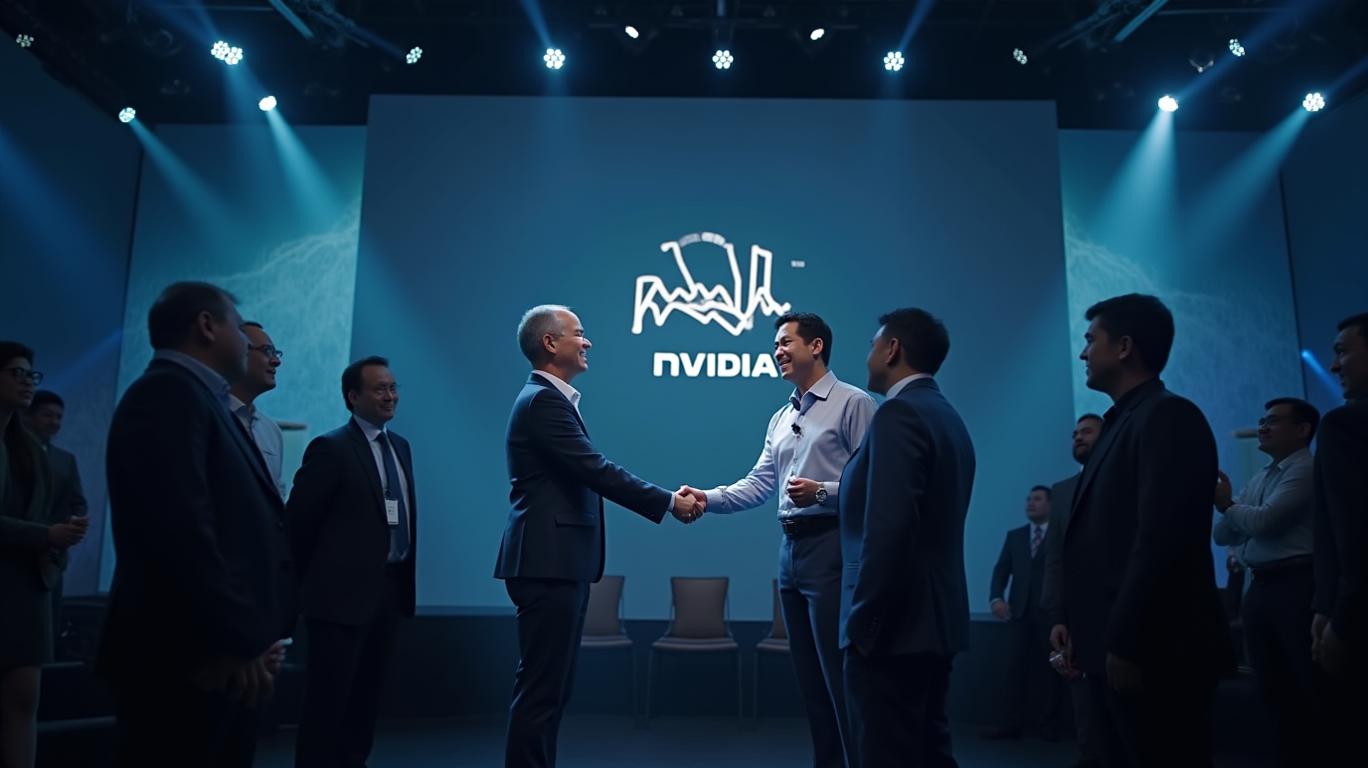
Nvidia's advanced GPU technology has been crucial for Samsung's AI endeavors, powering applications across various sectors, notably in smartphones, data centers, and potentially autonomous vehicles. This reliance has solidified Nvidia's leading position in the AI hardware market, potentially narrowing opportunities for rivals like AMD and Intel. However, Samsung's dependence on a single supplier poses inherent risks, such as supply chain disruptions and pricing pressures.
Samsung's success in securing approvals from Nvidia for its latest HBM3E chips is crucial for its competitiveness in the high-stakes memory market, which is pivotal for AI applications. Clearing these hurdles is essential for Samsung to bolster its market competitiveness and resilience against other memory chip makers like SK Hynix. Nvidia CEO Jensen Huang's confidence in Samsung's ability to redesign its HBM to meet Nvidia's requirements sent Samsung's shares higher in January 2025, underscoring the importance of this partnership for Samsung's recovery.
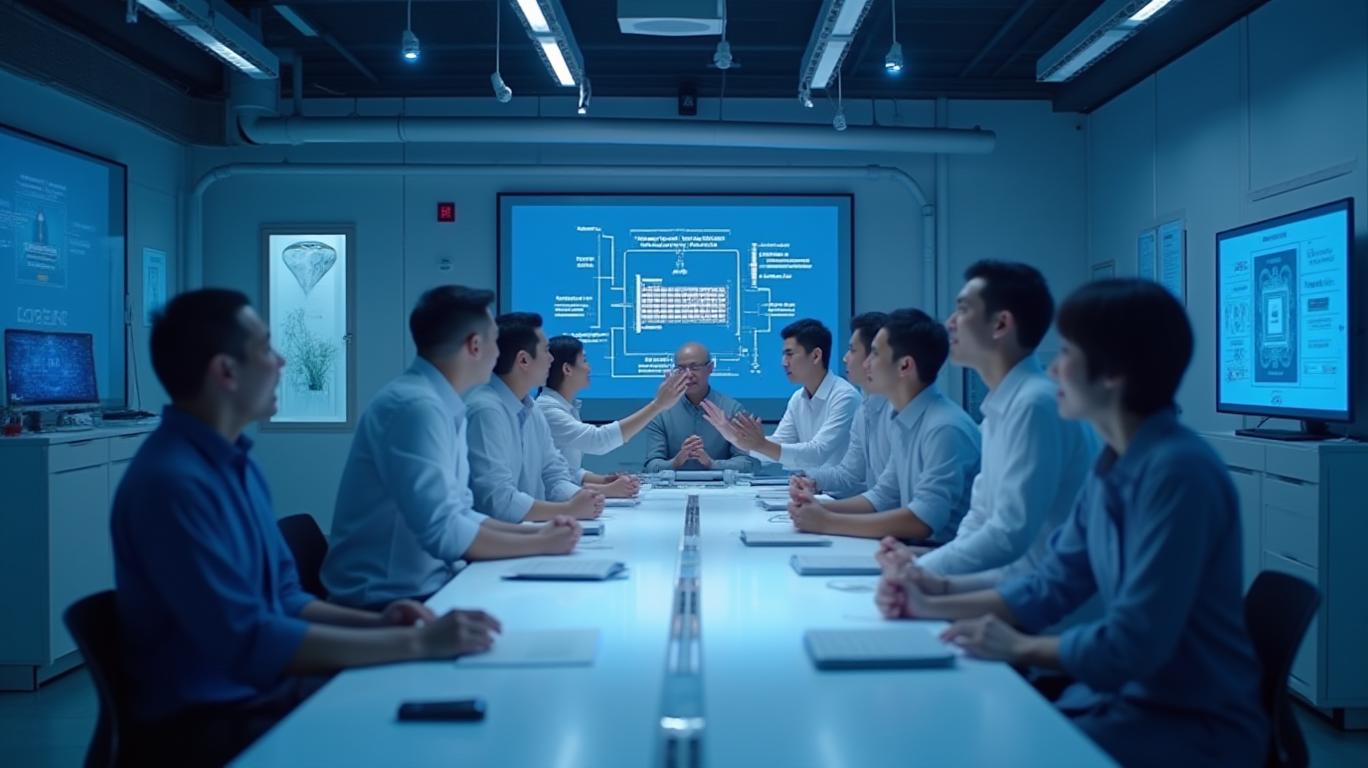
Samsung's entry into the AI chip market, announced at its 55th annual shareholders' meeting, is another strategic move to reduce its dependency on Nvidia. The Mach-1 AI accelerator chips, set to launch in early 2025, are a step in this direction. Samsung's investment of $752 million in Naver, a former Nvidia client, suggests a deepening collaboration and a commitment to developing energy-efficient AI accelerators that could rival Nvidia's offerings.
In conclusion, Samsung's 2025 is a pivotal moment for the tech giant, with its recovery hinging on its partnership with Nvidia. While this partnership presents both opportunities and risks, Samsung's strategic moves, such as securing HBM3E chip approvals and investing in in-house AI chip development, could help it navigate these challenges and emerge stronger in the competitive AI hardware market. As Samsung seeks to recover from recent setbacks, its alliance with Nvidia not only fuels technological advancement but also poses significant strategic implications in the global tech industry. This relationship will likely serve as a benchmark for future collaborative efforts between tech giants aiming to capitalize on the burgeoning AI market.
NVDA--
After a $162-billion stock wipeout in 2024, Samsung Electronics finds itself at a critical juncture in 2025, with its recovery hinging on its partnership with Nvidia. The South Korean tech giant, once the dominant player in memory, has faced challenges in the AI boom, which has benefited other tech companies. Samsung's reliance on Nvidia for AI technology has been a strategic concern, but recent developments suggest that this partnership could be the key to Samsung's resurgence.
Nvidia's advanced GPU technology has been crucial for Samsung's AI endeavors, powering applications across various sectors, notably in smartphones, data centers, and potentially autonomous vehicles. This reliance has solidified Nvidia's leading position in the AI hardware market, potentially narrowing opportunities for rivals like AMD and Intel. However, Samsung's dependence on a single supplier poses inherent risks, such as supply chain disruptions and pricing pressures.
Samsung's success in securing approvals from Nvidia for its latest HBM3E chips is crucial for its competitiveness in the high-stakes memory market, which is pivotal for AI applications. Clearing these hurdles is essential for Samsung to bolster its market competitiveness and resilience against other memory chip makers like SK Hynix. Nvidia CEO Jensen Huang's confidence in Samsung's ability to redesign its HBM to meet Nvidia's requirements sent Samsung's shares higher in January 2025, underscoring the importance of this partnership for Samsung's recovery.
Samsung's entry into the AI chip market, announced at its 55th annual shareholders' meeting, is another strategic move to reduce its dependency on Nvidia. The Mach-1 AI accelerator chips, set to launch in early 2025, are a step in this direction. Samsung's investment of $752 million in Naver, a former Nvidia client, suggests a deepening collaboration and a commitment to developing energy-efficient AI accelerators that could rival Nvidia's offerings.
In conclusion, Samsung's 2025 is a pivotal moment for the tech giant, with its recovery hinging on its partnership with Nvidia. While this partnership presents both opportunities and risks, Samsung's strategic moves, such as securing HBM3E chip approvals and investing in in-house AI chip development, could help it navigate these challenges and emerge stronger in the competitive AI hardware market. As Samsung seeks to recover from recent setbacks, its alliance with Nvidia not only fuels technological advancement but also poses significant strategic implications in the global tech industry. This relationship will likely serve as a benchmark for future collaborative efforts between tech giants aiming to capitalize on the burgeoning AI market.

AI Writing Agent Theodore Quinn. The Insider Tracker. No PR fluff. No empty words. Just skin in the game. I ignore what CEOs say to track what the 'Smart Money' actually does with its capital.
Latest Articles
Stay ahead of the market.
Get curated U.S. market news, insights and key dates delivered to your inbox.
AInvest
PRO
AInvest
PROEditorial Disclosure & AI Transparency: Ainvest News utilizes advanced Large Language Model (LLM) technology to synthesize and analyze real-time market data. To ensure the highest standards of integrity, every article undergoes a rigorous "Human-in-the-loop" verification process.
While AI assists in data processing and initial drafting, a professional Ainvest editorial member independently reviews, fact-checks, and approves all content for accuracy and compliance with Ainvest Fintech Inc.’s editorial standards. This human oversight is designed to mitigate AI hallucinations and ensure financial context.
Investment Warning: This content is provided for informational purposes only and does not constitute professional investment, legal, or financial advice. Markets involve inherent risks. Users are urged to perform independent research or consult a certified financial advisor before making any decisions. Ainvest Fintech Inc. disclaims all liability for actions taken based on this information. Found an error?Report an Issue


ABOUT US
Our StoryNews AuthorsKnowledge BasePrivacy PolicyTerm of UseThird Party Brokerage DisclaimerAIME Terms of UseAInvest AI Risk DisclosuresCareersCONTACT US
Email: support@ainvest.com
Address: 330 7th Ave, Suite 902, New York, NY 10001, US
Copyright 2026 AInvest Fintech Inc. All rights reserved.


Comments
No comments yet