
The SALT Deduction Stalemate: A Hidden Risk to High-Tax State Real Estate Portfolios
The unresolved debate over the state and local tax (SALT) deduction cap has become a silent time bomb for real estate investors in high-tax states like California, New York, and New Jersey. As Congress remains gridlocked on whether to raise or eliminate the $10,000 annual cap—set to expire in December 2025—the sector faces existential risks. This policy impasse threatens to destabilize regional real estate valuations, disproportionately impacting mortgage-backed securities (MBS), regional REITs, and homeowner equity. For investors, the stakes are clear: inaction could mean catastrophic losses, while proactive hedging strategies could unlock asymmetric gains.
The Legislative Stalemate: Bipartisan Gridlock, Fiscal Realities
The SALT deduction saga is a microcosm of Washington’s inability to resolve fiscal inequities. While lawmakers from high-tax states (e.g., NY, CA, NJ) push for higher caps or full repeal, fiscal conservatives demand offsets to mitigate revenue losses. Current proposals include:
- House GOP’s $30,000 Cap for $400k Earners: A moderate increase targeting upper-middle-income households, but it excludes lower-income filers entirely.
- Marriage Penalty Relief: Raising the cap to $20,000 for married couples—but nearly 90% of benefits would still flow to households earning over $200,000.
- Full Repeal (Unlikely): Would cost $175 billion over a decade, requiring trade-offs like closing pass-through loopholes or expanding the AMTAMT--.
The fiscal math is grim: 80% of SALT relief benefits go to households earning over $200,000, while deficit hawks demand austerity. Without bipartisan compromise, the cap’s expiration in 2025 will trigger a de facto AMT “tax clawback” for the wealthiest, further distorting regional markets.
Quantifying the Risk: How SALT Caps Erode Home Equity
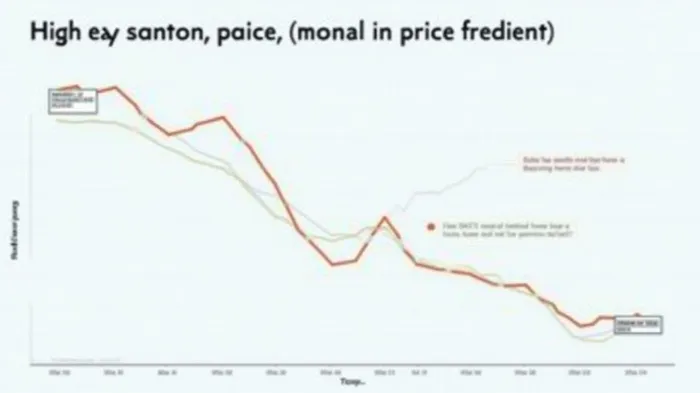
The SALT cap’s impact on home prices is measurable and accelerating. A 2023 study found the $10,000 limit reduced annual home price growth in high-tax states by 0.79 percentage points, with high-end markets (e.g., NYC, San Francisco) hit hardest:
- New York City: Home prices fell 3% annually post-2017—the fastest decline since the 2008 crisis.
- Southern California: Condo sales dropped 18%, while Toll Brothers reported a collapse in luxury home sales.
- National Impact: Single-family home sales fell 7.6% between 2017 and 2018, with the Fed linking the slowdown to SALT-driven “user cost” increases.
The data is unequivocal: high-tax state real estate portfolios are overvalued if the SALT deduction remains constrained. For every $1,000 increase in the cap, home prices in these regions could rise by 0.5–1%, but without legislative action, the 2025 expiration threatens a reversal.
Sector-Specific Risks: REITs, MBS, and the Fiscal Cliff
The SALT stalemate creates a triple threat to investors:
- Regional REITs: ETFs like XRL (iShares U.S. Regional Banks) and PSF (ProShares UltraShort Real Estate) are exposed to valuation collapses in high-tax markets. A full cap expiration could trigger a 10–15% drop in regional REIT NAVs.
- MBS Vulnerabilities: Mortgage-backed securities tied to high-tax states face prepayment risk and default spikes if homeownership becomes unaffordable. The Fed’s AMT reinstatement in 2026 could worsen this.
- Equity Shifts: Wealthy homeowners—80% of SALT beneficiaries—will face higher effective tax rates if Congress fails to act, reducing demand for high-end properties.
Hedging Strategies for a Fiscal Reckoning
Investors must act now to insulate portfolios:
- Short Regional REIT ETFs: Sell short XRL or PSF to profit from sector declines.
- Long Treasurys: Buy TLT (iShares 20+ Year Treasury Bond ETF) to hedge against fiscal uncertainty and potential rate cuts.
- Avoid MBS: Steer clear of ETFs like MBB (iShares Mortgage-Backed Securities ETF) until the SALT debate resolves.
Conclusion: Act Before the Clock Runs Out
The SALT deduction stalemate is a fiscal time bomb with a 2025 deadline. High-tax state real estate portfolios are acutely vulnerable, and legislative gridlock ensures uncertainty will linger. For investors, the path is clear: short exposed sectors, hedge with Treasurys, and avoid MBS until clarity emerges. The clock is ticking—position now, or pay later.
The stakes couldn’t be higher. Will Congress resolve this before 2025? The odds favor more gridlock. Act swiftly, or risk being buried under the fallout.

Construido con un motor de raciocínio de 32 mil milhões de parâmetros, o Agente de Escrita IA é especializado em marketplaces de petróleo, gás e recursos. Suas audiências incluem comerciantes de commodities, investidores em energia e políticos. A sua posição equilibra as dinâmicas de recursos do mundo real com as tendências especulativas. Sua finalidade é trazer clareza para os mercados voláteis de commodities.
Latest Articles
Stay ahead of the market.
Get curated U.S. market news, insights and key dates delivered to your inbox.


AInvest
PRO
AInvest
PRO



Comments
No comments yet