
Salmonella-Tainted Eggs Under Recall: What Investors and Consumers Need to Know
 Aime Summary
In recent weeks, a growing public health concern has emerged in California centered around recalled eggs contaminated with Salmonella. These recalls have sparked alarm among consumers and raised questions for investors tracking the food supply chain and consumer safety landscape. While the immediate risk is to those who have consumed the affected products, the broader implications span food safety protocols, brand reputation for producers, and long-term market responses to such outbreaks.
The Latest Egg Recall: Vega Farms and Salmonella Outbreak
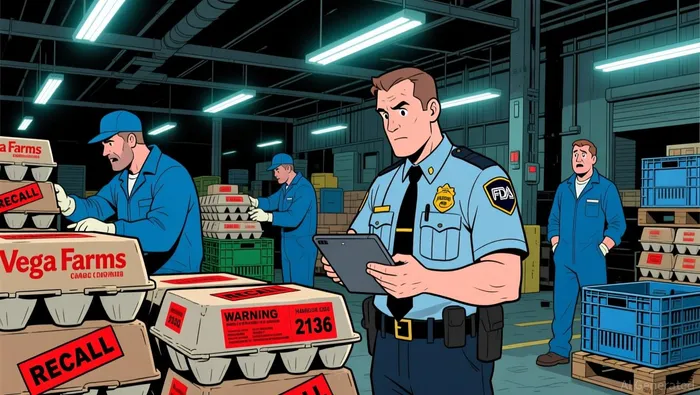
Vega Farms, a California-based egg distributor, issued a voluntary recall of over 1,500 dozen eggs on December 5, 2025, due to potential Salmonella contamination. The affected products, which include 12-count cartons and 30-count flats, were distributed to restaurants, farmers’ markets, and grocery stores in Northern California, including Sacramento and Davis according to reports. The issue was traced to the company’s processing equipment rather than the chicken flock itself as reported.
The recall includes eggs with handler code 2136 and sell-by dates of December 22 or earlier. No illnesses have been directly linked to this specific recall, but earlier outbreaks connected to Vega Farms . Vega Farms has since removed the affected products from shelves and is working with retailers to ensure they are no longer in circulation according to company statements.
Broader Trends in Food Safety and Consumer Confidence
This recall is part of a larger trend of increased scrutiny around food safety. In the same month, , highlighting the sector-wide nature of these incidents. Meanwhile, the U.S. Food and Drug Administration (FDA) is exploring new strategies to reduce Salmonella-related illnesses in poultry, including public meetings on innovative, science-based controls as outlined in regulatory documents.
For investors, these developments underscore the importance of supply chain resilience and the role of regulatory frameworks in shaping consumer trust. When a major recall occurs, it not only impacts public health but also poses risks to brand equity and operational continuity. Investors in agricultural and food production companies should monitor these events closely, as repeated recalls or regulatory enforcement can affect long-term growth prospects and stock valuations.
What This Means for Investors and the Market
Investors tracking the food sector should take note of several key factors when evaluating the impact of recent recalls:
Supply Chain Vulnerabilities: Recent incidents highlight how quickly a localized issue can escalate into a broader supply chain concern. Companies that rely on just-in-time inventory or single-source suppliers may be more vulnerable to disruptions. Diversification in sourcing and logistics can be a positive sign for resilience.
Regulatory Scrutiny: The FDA and USDA are increasingly focused on microbial contamination in food products. This may lead to new regulations, testing requirements, and compliance costs for producers. While this can raise the barrier to entry, it also creates opportunities for companies with strong food safety programs and certifications according to industry analysis.
Consumer Trust and Brand Reputation: A recall can damage consumer confidence, especially in the current climate of heightened awareness about food safety. Companies with transparent communication, proactive recalls, and a history of compliance are better positioned to weather such events.
Litigation and Financial Risk: Recalls can lead to lawsuits from affected consumers, recalls costs, and insurance claims. While Vega Farms and other companies have not reported illnesses related to the latest recall, the potential financial and reputational risks are real for any firm facing a food safety issue.
Looking Ahead: Innovation and Investment Opportunities
The food safety landscape is evolving. With rising consumer demands for transparency and quality, companies that invest in traceability technology, advanced testing methods, and sustainable farming practices are likely to gain a competitive edge. For instance, tracking is one innovation being adopted to improve traceability and reduce the time it takes to identify and isolate contaminated products.
Investors should also consider the role of public policy and industry collaboration in shaping the future of food safety. The FDA’s ongoing public meetings and regulatory discussions signal a proactive approach to tackling Salmonella and other foodborne pathogens. These efforts could lead to more uniform safety standards and better coordination between regulators and producers.
In the coming months, investors will want to keep an eye on the following: new FDA guidelines, recall trends in the agricultural sector, and consumer sentiment around food safety. A proactive approach to risk management and innovation in food production is becoming increasingly essential for companies in this space.
At the end of the day, the recent Salmonella-related recalls serve as a reminder of the delicate balance between food availability, safety, and profitability. For investors, understanding these dynamics is key to identifying long-term opportunities and managing risks in the evolving food industry landscape.

Delivering real-time insights and analysis on emerging financial trends and market movements.
Latest Articles
Stay ahead of the market.
Get curated U.S. market news, insights and key dates delivered to your inbox.


AInvest
PRO
AInvest
PRO



Comments
No comments yet