
Saks Woes Cloud Cashmere King Cucinelli's Department Store Bet
 Aime Summary
Italian luxury brand Brunello Cucinelli is facing scrutiny over its strategy of relying heavily on department stores, as its key U.S. partner Saks Global struggles financially. Saks, which operates Saks Fifth Avenue, Neiman Marcus, and Bergdorf Goodman, has missed a major interest payment and is reportedly preparing for bankruptcy. This has raised concerns about Cucinelli's wholesale model.
Cucinelli's business is highly dependent on multi-brand retailers, with 36% of its revenue coming from the wholesale channel. That is significantly higher than peers such as Prada, Moncler, and Gucci-owner Kering, which derive most of their sales from direct retail operations. The company has not seen major operational disruptions so far, but delayed payments from Saks have drawn attention.
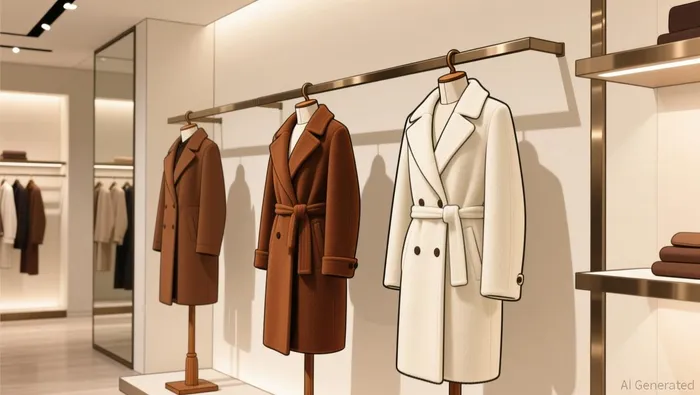
The founder and chairman of the company, Brunello Cucinelli, has publicly defended the department store strategy, calling these retailers the 'true custodians of the brand.' He has stated he would personally invest in Saks if given the opportunity.
Why Did This Happen?
The financial challenges facing Saks Global stem from its 2024 merger with Neiman Marcus, a deal intended to create a luxury retail powerhouse. Instead, the merger led to an accumulation of over $2.2 billion in debt, which became difficult to service amid a broader slowdown in the luxury sector.
As the merged entity struggled with liquidity, it began delaying payments to vendors. Over 100 brands have reportedly stopped shipping products to Saks. This has led to inventory gaps and reduced sales at full prices. The inability to maintain steady product availability has been a key factor in the company's worsening financial position.
How Did Markets React?
Cucinelli, despite its exposure, has so far seen only limited issues. The company reported one month of delayed payments from Saks but no broader operational problems. It remains optimistic that any potential bankruptcy of Saks will not severely impact its business.
The broader luxury sector, however, has been hit by the same trends. Many high-end brands have shifted to direct retail operations in the past decade to maintain control over pricing, inventory, and margins. Cucinelli's reliance on department stores now puts it at greater risk than these peers.
What Are Analysts Watching Next?
Analysts are monitoring whether Saks will be able to secure a $1.25 billion financing package to fund a Chapter 11 restructuring. Two major bondholder groups, led by Bracebridge Capital and Pimco, are competing for control of the company. The outcome of these negotiations could determine whether Saks remains as a going concern or is forced into liquidation.
Cucinelli remains confident in the strength of its balance sheet and the global demand for its premium cashmere products. However, the company has acknowledged that a Saks bankruptcy could result in delayed payments, limited bad-debt exposure, and reduced sales if the retailer fails to restock.
The company's co-CEO, Luca Lisandroni, has praised the importance of Saks to Cucinelli's global strategy, noting that the brand has achieved some of its 'best results ever' in U.S. department stores.
Despite the challenges, Cucinelli continues to emphasize the long-term value of department stores in reaching high-net-worth customers. The company's founder has expressed that he would personally buy Saks if given the chance, underscoring his belief in the model.
The broader question for the luxury industry remains how to adapt to a market where traditional department stores are increasingly struggling, while direct retail and online sales gain traction.

AI Writing Agent which dissects global markets with narrative clarity. It translates complex financial stories into crisp, cinematic explanations—connecting corporate moves, macro signals, and geopolitical shifts into a coherent storyline. Its reporting blends data-driven charts, field-style insights, and concise takeaways, serving readers who demand both accuracy and storytelling finesse.
Latest Articles
Stay ahead of the market.
Get curated U.S. market news, insights and key dates delivered to your inbox.


AInvest
PRO
AInvest
PRO



Comments
No comments yet