
Saks Global's Bankruptcy: Why It Matters for Retail Investors
 Aime Summary
Saks Global filed for Chapter 11 bankruptcy on January 14, 2026, as part of a restructuring plan aimed at stabilizing its luxury retail brands. The retailer's financial struggles stem from a $2.7 billion acquisition of Neiman Marcus in late 2024, which added significant debt and failed to deliver expected synergies. AmazonAMZN-- is challenging Saks' Chapter 11 filing, claiming the retailer violated a contract that allowed Amazon to sell Saks products on its platform and deeming its equity stake in Saks 'presumptively worthless.'
The collapse of Saks Global, parent company to Saks Fifth Avenue, Neiman Marcus, and Bergdorf Goodman, has sent shockwaves through the luxury retail sector. What began as an aggressive bid to consolidate the U.S. luxury market has ended in a high-profile Chapter 11 filing, the first major retail bankruptcy of 2026. The company's financial struggles highlight broader challenges facing traditional department stores in the digital age, from shifting consumer preferences to mounting debt and strained vendor relationships.
Saks Global's troubles started with the acquisition of Neiman Marcus in late 2024, a $2.65 billion deal funded by a mix of debt and equity from investors like Amazon, Salesforce, and Authentic Brands. The goal was to create a unified luxury retail brand that could compete with direct-to-consumer models and e-commerce giants. Instead, the deal left Saks with an unsustainable debt load and a struggling retail strategy. The company missed a $100 million interest payment at the end of 2025 and struggled to maintain relationships with vendors, who withheld shipments over unpaid invoices. The final blow came when Saks announced its Chapter 11 filing, 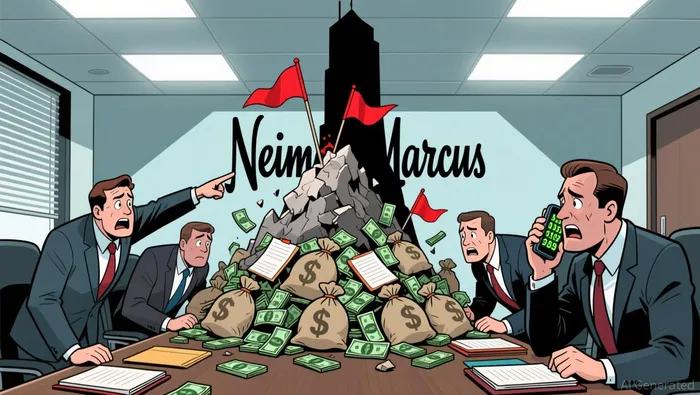 under the leadership of Geoffroy van Raemdonck, former CEO of Neiman Marcus.
Why Is Saks Global Filing for Bankruptcy in 2026?
Saks Global's bankruptcy filing is a result of multiple factors, including the financial burden of the Neiman Marcus acquisition and evolving consumer behavior. Luxury goods have become increasingly expensive, and many shoppers, particularly middle-income customers, have grown disillusioned with the value of high-end products. Online shopping and direct-to-consumer models have also reduced the role of department stores in the luxury market.
The company's acquisition of Neiman Marcus was intended to create a luxury retail powerhouse, but it backfired. Saks struggled to pay vendors, leading to inventory shortages and strained relationships. Meanwhile, high-end brands like Gucci and Chanel have shifted toward selling directly to consumers, cutting out middlemen like department stores. Saks tried to restructure by altering vendor agreements to take a larger share of sales, but this led to reduced product offerings and further loss of customer confidence. The result was a vicious cycle of declining sales, rising debt, and an eventual bankruptcy filing.
What Does 'Saks Bankruptcy Update' Mean for Retail Investors?
For investors, Saks' bankruptcy is more than just a retail story—it's a signal of deeper industry shifts. The luxury retail space is being reshaped by digital disruption and changing consumer habits. Saks' struggles reflect broader challenges in the department store sector, where brick-and-mortar models are increasingly unviable without significant digital transformation. The company's Chapter 11 filing has secured $1.75 billion in financing from creditors, including a $1 billion debtor-in-possession loan and an additional $250 million in asset-backed financing from its banks.
The restructuring process is expected to include store closures, potential asset sales, and a focus on core markets where Saks can maintain brand strength. The company is also under pressure from Amazon, which has challenged its Chapter 11 filing and argues that its equity stake in Saks is now valueless. Amazon invested $475 million in Saks in exchange for the right to sell its products on the e-commerce giant's platform, but the company claims Saks has failed to meet its obligations.
For retail investors, the key questions are whether Saks can restructure successfully and whether the broader luxury retail model can adapt to the digital era. The outcome of Saks' bankruptcy will likely set a precedent for other legacy retailers struggling with the same challenges.
What to Watch as Saks Navigates Bankruptcy
Saks' restructuring under Chapter 11 will be closely watched by both investors and the retail sector. The company has secured significant financing to keep its stores open, but its ability to emerge from bankruptcy will depend on its ability to renegotiate vendor contracts, streamline its operations, and regain customer trust. The appointment of Geoffroy van Raemdonck as CEO is seen as a strategic move, given his previous experience leading Neiman Marcus through its own bankruptcy. Still, the path forward is uncertain.
Amazon's legal challenge adds another layer of complexity. If the court rules in Amazon's favor, Saks could face additional financial strain, potentially complicating its restructuring process. The company will also need to navigate the broader economic environment, including a slowing job market and declining consumer sentiment. Investors should keep an eye on the number of store closures and potential asset sales, which will shape the company's future.
Ultimately, Saks' bankruptcy is a case study in the challenges facing traditional luxury retail. As the company works through its reorganization, the broader question remains: Can department stores adapt to the digital age, or are they a relic of a bygone era?

Stay ahead of the market.
Get curated U.S. market news, insights and key dates delivered to your inbox.
AInvest
PRO
AInvest
PRO



Comments
No comments yet