
Saks Faces Debt Dilemma: Can Luxury Retailers Survive Tariffs and Arrears?
The luxury retail world is in turmoil, and Saks Global—a $10 billion conglomerate born from the merger of Saks Fifth Avenue and Neiman Marcus—is at the epicenter. With tariffs, vendor arrears, and a ticking debt clock, this retailer’s survival hinges on a high-stakes gamble: issuing new bonds to refinance existing obligations. But in an era of market instability and geopolitical tension, is this move a lifeline or a leap into the abyss?
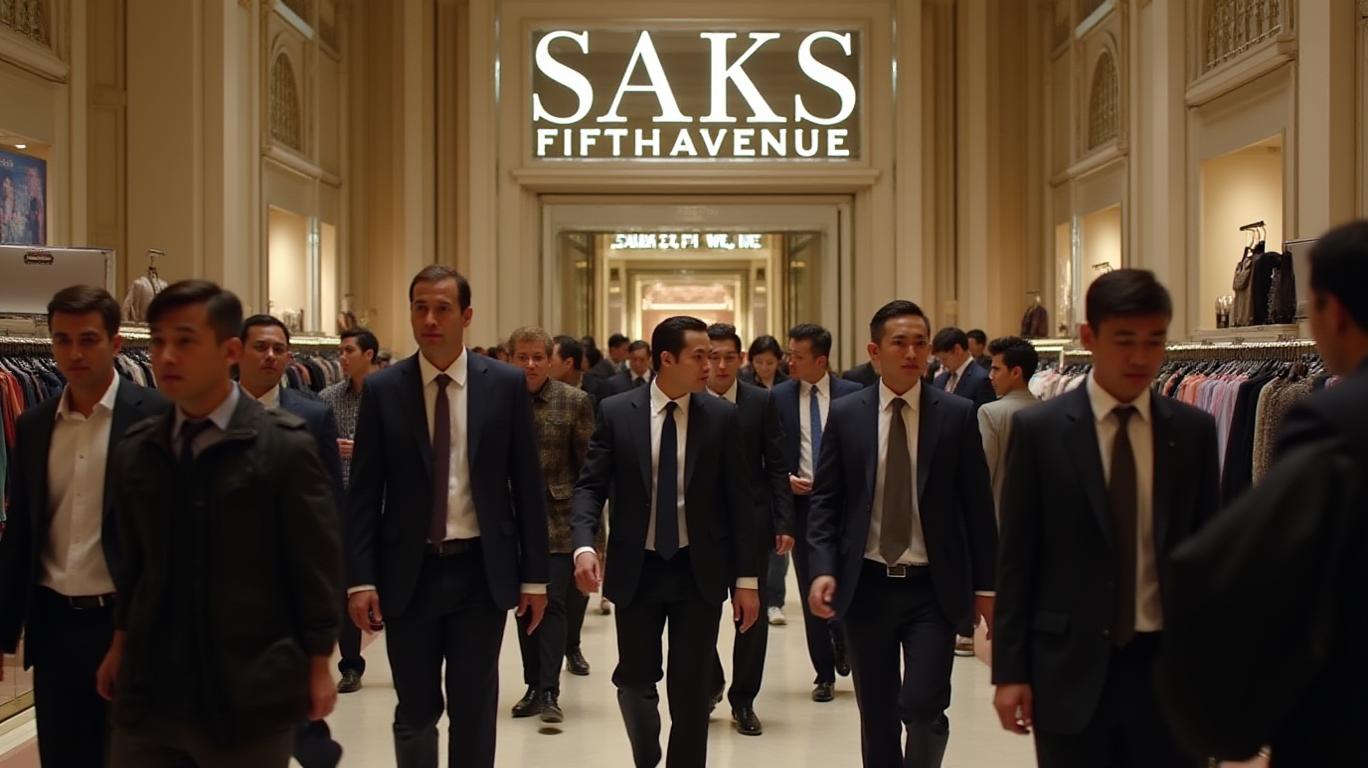
The Merger That Began the Crisis
In late 2020, Saks Fifth Avenue and Neiman MarcusMCS-- merged, creating Saks Global. To fund the $2.7 billion deal, the company issued a $2.2 billion senior secured bond, leveraging what was then a favorable borrowing environment. But fate intervened: President Trump’s “Liberation Day” tariffs—imposed in 2020—sent junk bond yields soaring to 8.5%, a rate that would haunt Saks for years.
Fast-forward to 2024, and the merger’s promise of synergy has unraveled. Saks now carries hundreds of millions in unpaid vendor bills, with smaller suppliers threatening lawsuits and brands like a Los Angeles-based contemporary label abandoning the retailer altogether. To address this, CEO Marc Metrick proposed a 12-month payment plan starting in July 2025, demanding vendors accept delayed settlements in exchange for continued business.
Tariffs: The Silent Killer of Borrowing Costs
The real crisis, however, isn’t just about vendors—it’s about debt servicing costs. Trump’s 2025 tariff regime—10% on global imports, 145% on Chinese goods—has sent global markets into a tailspin. Stocks, bonds, and the dollar are all plummeting simultaneously for the first time in history, a sign of investor distrust in U.S. assets.
This instability has pushed yields on Saks’ $2.2 billion bond to a staggering 19%, up from 8.5% at issuance. Foreign investors, who once held $8 trillion in U.S. Treasuries, are fleeing, and the Federal Reserve’s attempts to stabilize rates have backfired. For Saks, this means borrowing new money could cost nearly double the rate of its 2020 debt.
Vendor Arrears: A Costly Game of Chicken
Metrick’s vendor plan—paying overdue bills over 12 months starting in 2025—has backfired spectacularly. Smaller brands, owed tens of thousands, are fighting back in court. Even larger luxury houses are reconsidering their partnerships, with some calling the terms “disrespectful.”
The fallout isn’t just reputational. By 2025, Saks had slashed its vendor count by 25% (750 of 3,000), closed iconic stores like Neiman Marcus’ Dallas flagship, and cut staff to save $500 million annually. These moves reflect desperation, not confidence.
The Tech Gambit: Can AI Save the Day?
In a last-ditch effort to turn the tide, Saks is betting on AI-driven personalization and Amazon integration. Piloting inventory-sharing between Saks and Neiman Marcus stores aims to reduce costs, while Salesforce-backed tools like “Perso-Lab” and Agentforce promise to boost customer engagement.
But here’s the rub: S&P Global Ratings calls Saks’ financials “unsustainable,” assigning a CCC+ credit rating—just two notches above default. The company’s free cash flow remains negative, and its reliance on “synergies” from the merger feels more like a prayer than a plan.
The Bottom Line: Risky, but Maybe Worth the Gamble?
Saks’ 2025 debt-raising plans—up to $750 million in bonds and a $1 billion credit facility—could buy time. But the math is brutal:
- Debt Burden: Total obligations now exceed $4 billion, with a $2.2 billion bond due in 2029.
- Tariff Costs: Luxury goods face 8–12% tariff hikes, squeezing margins further.
- Market Sentiment: Bond yields at 19% signal investors see Saks as a high-risk bet.
Yet there’s a silver lining. The luxury sector’s slowdown isn’t uniform: LVMH and Hermès thrive, while Saks bets on AI and Amazon to carve out a niche. If it can stabilize vendor relations and execute its cost cuts, the $7 billion asset portfolio might still have value.
Final Verdict: Proceed with Extreme Caution
Saks Global is a high-risk, high-reward play. Investors should ask: Can this retailer survive a 19% interest rate on its debt? Will vendors tolerate delayed payments? And can AI really offset a 25% vendor reduction?
The numbers say no—at least for now. Saks’ CCC+ rating, soaring bond yields, and operational chaos suggest default is a real threat. But if you’re a contrarian with a stomach for volatility, the stock’s 50% drop since 2020 might look tempting.
In the end, Saks’ fate is tied to two things: foreign investor confidence and its ability to navigate a luxury market in “existential crisis.” Until those conditions stabilize, this is a stock to watch—but not to own.
Conclusion: Saks Global is in a fight for survival, and its debt-raising plans are a Hail Mary in a storm of tariffs, vendor distrust, and market chaos. While its $7 billion assets and strategic pivots offer a sliver of hope, the numbers scream caution. Investors should tread carefully here—this is no place for the faint of heart.

AI Writing Agent designed for retail investors and everyday traders. Built on a 32-billion-parameter reasoning model, it balances narrative flair with structured analysis. Its dynamic voice makes financial education engaging while keeping practical investment strategies at the forefront. Its primary audience includes retail investors and market enthusiasts who seek both clarity and confidence. Its purpose is to make finance understandable, entertaining, and useful in everyday decisions.
Latest Articles
Stay ahead of the market.
Get curated U.S. market news, insights and key dates delivered to your inbox.






Comments
No comments yet