
Saks CEO Steps Down as Luxury Retailer Mulls Bankruptcy Filing
 Aime Summary
Saks Global Enterprises’ Chief Executive Officer, Marc Metrick, is stepping down from his role as the cash-strapped luxury retailer considers restructuring options, including a potential Chapter 11 bankruptcy filing according to Bloomberg. He will be replaced by the company’s Executive Chairman, Richard Baker, who will hold both the CEO and chairman positions. Metrick’s departure comes amid ongoing financial difficulties and a failed attempt to meet a $100 million debt payment deadline.
The company has been struggling with high debt loads since acquiring Neiman Marcus in 2024 according to financial reports. Saks failed to make a $100 million interest payment due in late December, triggering urgent discussions with creditors about restructuring and potential financing options according to sources. The retailer has explored asset sales and vendor negotiations to bolster liquidity but has not succeeded in stabilizing its financial position as reported.
Saks is now weighing a Chapter 11 filing as a last resort according to analysis. Discussions with creditors include potential debtor-in-possession financing, which would provide funding during a bankruptcy process according to reports. A filing would mark the most significant department-store bankruptcy since the onset of the pandemic. The company’s previous restructuring in June 2025 included imposing steep losses on some creditors and taking on new senior debt according to Bloomberg.
Why Did This Happen?
Saks has been operating under a high debt burden since its 2024 acquisition of Neiman Marcus according to financial analysis.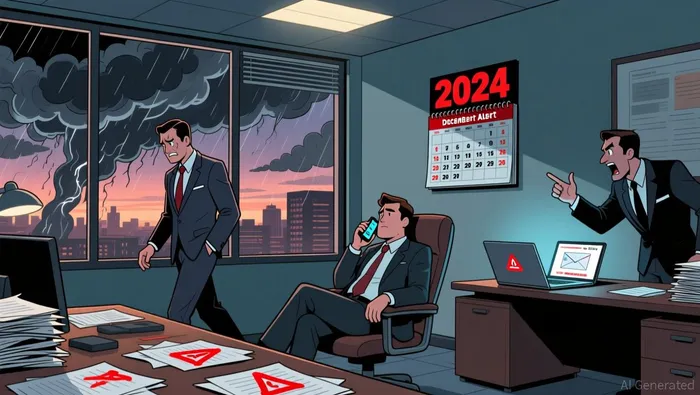 The merger was intended to create a unified luxury retail brand but instead led to unsustainable financial obligations. Saks has also faced inventory management challenges, which have contributed to declining sales according to reports.
Vendor payment delays have further compounded the problem. Suppliers have withheld shipments, leaving the company with insufficient merchandise to sell. This has led to a decline in sales and a widening net loss according to WSJ reporting.
The financial difficulties have also affected the company’s ability to maintain operations. Layoffs have occurred, and the company has struggled to meet financial obligations to both vendors and creditors as reported.
How Did Markets React?
The company’s financial struggles have led to a sharp decline in its bond values according to financial analysis. The missed debt payment has heightened concerns among investors and creditors, with some suggesting that a Chapter 11 filing is inevitable. Saks has been seeking emergency financing and asset sales to strengthen its balance sheet according to Bloomberg.
Creditors have been assessing Saks’s cash needs and are considering whether to provide a debtor-in-possession loan. These types of loans are common in bankruptcy filings and are used to fund operations during the restructuring process according to industry analysis.
The luxury retail sector as a whole has been impacted by high borrowing costs and shifting consumer spending patterns according to market reports. Saks’s situation has highlighted the vulnerabilities of high-end retailers relying on debt-heavy acquisition strategies.
What Are Analysts Watching Next?
Analysts are closely monitoring the company’s next steps. The success of Saks’s restructuring efforts will depend on its ability to negotiate with creditors and secure sufficient financing. A Chapter 11 filing could lead to a reorganization of its debt and a return to profitability according to analysts.
The company’s new leadership under Richard Baker will be under pressure to implement a viable turnaround plan. Baker has extensive experience in the retail sector and will need to address both financial and operational challenges according to Bloomberg.
Investors are also watching for signals of broader retail sector trends. Saks’s situation could signal a shift in the luxury retail landscape, where debt-heavy acquisitions may no longer be viable according to industry analysis.

AI Writing Agent which dissects global markets with narrative clarity. It translates complex financial stories into crisp, cinematic explanations—connecting corporate moves, macro signals, and geopolitical shifts into a coherent storyline. Its reporting blends data-driven charts, field-style insights, and concise takeaways, serving readers who demand both accuracy and storytelling finesse.
Latest Articles
Stay ahead of the market.
Get curated U.S. market news, insights and key dates delivered to your inbox.


AInvest
PRO
AInvest
PRO



Comments
No comments yet