
Saks Fifth Avenue's Bankruptcy: What Investors Should Watch Now
 Aime Summary
Saks Global, parent company of Saks Fifth Avenue, Neiman Marcus, and Bergdorf Goodman, filed for Chapter 11 bankruptcy protection on January 14, 2026, to restructure its debts and seek new ownership. The filing was driven by $2.6–2.7 billion in debt from the 2024 acquisition of Neiman Marcus and a shift in consumer behavior toward direct-to-consumer luxury purchases, straining department store sales. The company secured $1.75 billion in debtor-in-possession financing to continue operations and retain key vendors and employees, with a new CEO, Geoffroy van Raemdonck, overseeing the restructuring.
The bankruptcy filing highlights the broader struggles of the department store sector as luxury brands increasingly sell directly to consumers and shoppers seek more control over their purchases. Saks had struggled to pay vendors and maintain inventory, leading to strained relationships and reduced product availability. The company also revealed a $900 million referral fee agreement with Amazon and a $550 million inventory shortfall in its filings.
What Does Saks Bankruptcy Mean for the Luxury Retail Market?
Saks Global's Chapter 11 filing reflects a transformation in the luxury retail space. Shoppers, particularly middle-income consumers, are reevaluating the perceived value of high-priced luxury goods, and many are now purchasing directly from brands instead of through department stores. This trend has reduced the role of stores like Saks and Neiman Marcus as key sales channels for luxury brands.
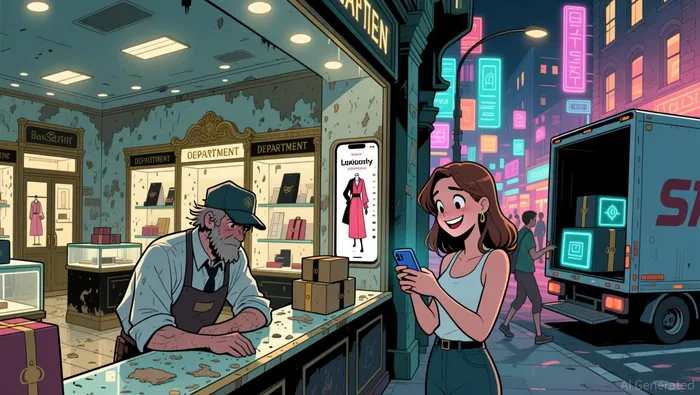
Analysts note that the rise of e-commerce and social media influencers has further eroded the need for in-store discovery of luxury goods. Brands like Chanel, Kering, and LVMH—now unsecured creditors—have seen a shift in sales strategy, favoring direct-to-consumer models. Saks Global's reorganization may lead to the closure of some stores, particularly Saks Off Fifth locations, as the company renegotiates expensive leases to remain viable.
Why Is This a Concern for Small Luxury Designers?
The restructuring may have a lasting impact on smaller designers who rely on department stores for a significant portion of their sales. Many of these brands may see a decline in revenue if Saks and Neiman Marcus scale back their offerings or close locations. The bankruptcy filing also raises questions about the future of traditional department stores as key distribution channels for emerging luxury designers.
As Saks Global moves forward with its reorganization plan, the luxury retail landscape could see further consolidation and a shift toward online platforms. The outcome of the bankruptcy process will be a key indicator of whether traditional department stores can remain relevant in an increasingly digital and brand-driven market.

Stay ahead of the market.
Get curated U.S. market news, insights and key dates delivered to your inbox.
AInvest
PRO
AInvest
PRO



Comments
No comments yet