
SABIC Agri-Nutrients Defies Petrochemical Slump with Q1 Profit Growth
In a quarter marked by turbulence across the global petrochemical sector, SABIC Agri-Nutrients has emerged as a rare bright spot. The Saudi-based fertilizer producer reported a 4% year-on-year increase in net profit to SAR 877 million (US$236 million) for Q1 2025, defying an industry-wide downturn driven by oversupply, trade barriers, and margin erosion. This performance underscores the resilience of agricultural nutrients in an otherwise challenging environment—and offers clues about where investors might find value in a struggling sector.
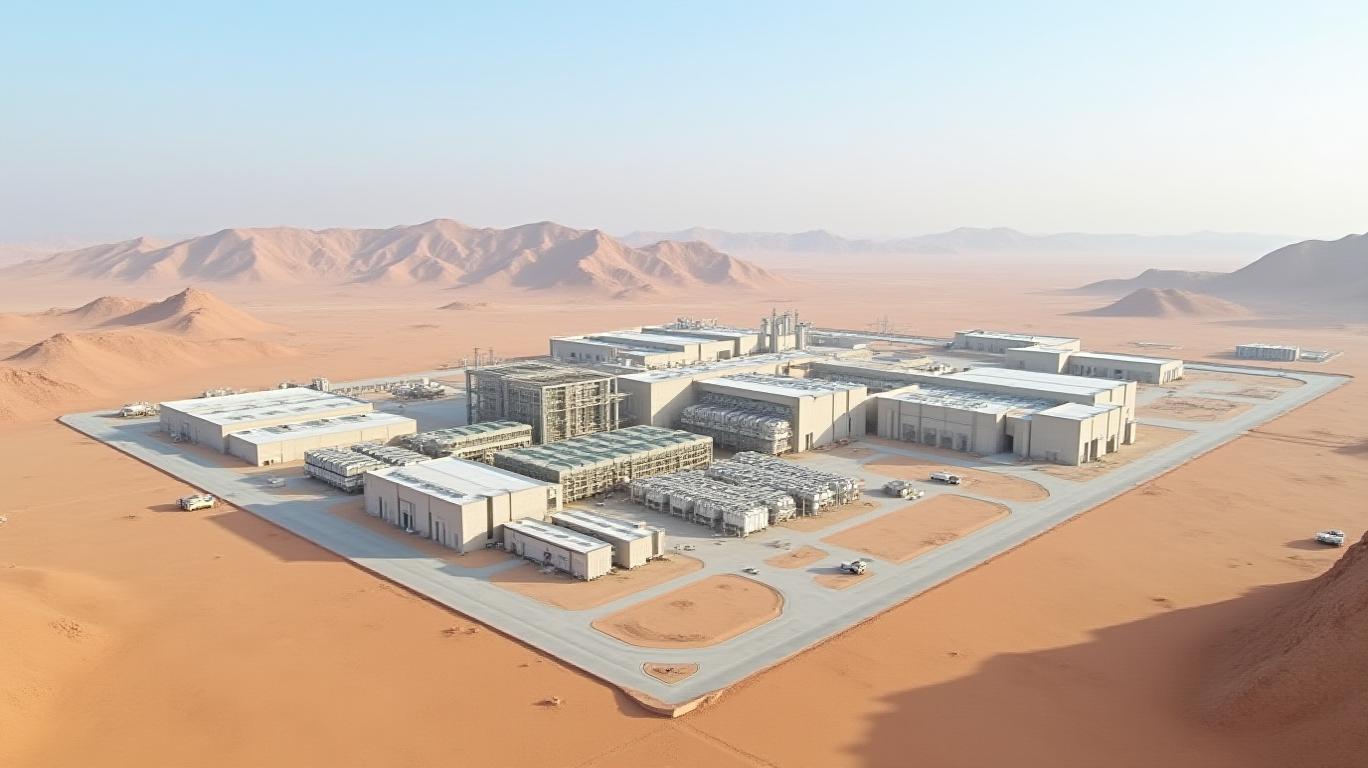
The Drivers of Defiance
The company’s profit growth is rooted in two key dynamics: geopolitical supply disruptions and seasonal agricultural demand.
Urea Shortages and Global Trade Shifts:
Global ureaURE-- supply chains have faced significant strain in recent months. Geopolitical conflicts, such as the Russia-Ukraine war, have disrupted traditional export routes, while U.S. tariffs on petrochemical imports—intended to protect domestic producers—have paradoxically created shortages in key markets. SABIC Agri-Nutrients benefits from this imbalance, as its cost-efficient production in Saudi Arabia allows it to fill gaps left by constrained competitors.Seasonal Demand Surge:
Fertilizer usage peaks during planting seasons, and Q1 2025 coincided with heightened demand in markets like India and Southeast Asia. Urea prices rose by 12% year-on-year during the quarter, boosting margins for producers capable of maintaining output. SABIC’s focus on ammonia and urea—critical inputs for crop nutrition—positioned it to capitalize on this trend.
Outperforming a Troubled Sector
While SABIC Agri-Nutrients thrived, its peers in the broader petrochemical industry faltered. Riyad Capital forecasts a 54% year-on-year decline in aggregate sector profits for Q1 2025, with companies like Yanbu National Petrochemical (Yansab) and Saudi International Petrochemical (Sipchem) reporting profit drops of 94% and 81%, respectively. The contrast highlights the fragility of non-agricultural petrochemicals, which are weighed down by:
- Chinese overcapacity: New production facilities in China have flooded global markets, depressing prices for products like polyethylene and PVC.
- Low global plant utilization: Only 68% of global petrochemical capacity was operational in Q1 2025, exacerbating oversupply issues.
Risks and Opportunities Ahead
Despite its strong Q1 results, SABIC Agri-Nutrients faces challenges that could temper its growth:
- Seasonal dependency: Fertilizer demand is cyclical, and Q1’s surge may not repeat in subsequent quarters.
- Trade policy volatility: U.S. tariffs could be revised, altering the supply dynamics that currently favor Saudi exporters.
However, the company’s strategic moves mitigate these risks. Its collaboration with Saudi Arabian Lithium & Industrial City (SALIC)—a partnership exploring lithium mining and battery materials—hints at diversification into emerging markets. Meanwhile, its 7% year-on-year revenue growth (despite sector-wide declines) suggests operational efficiency and pricing power are intact.
Conclusion: A Safe Harbor in a Stormy Sector
SABIC Agri-Nutrients’ Q1 performance is a testament to the enduring demand for agricultural nutrients in an increasingly volatile world. While petrochemical giants grapple with overcapacity and trade wars, this fertilizer specialist is leveraging geopolitical disruptions and seasonal cycles to carve out profit growth.
The data is compelling:
- A 4% profit increase in a sector down 54% speaks to its niche resilience.
- Urea prices rising 12% year-on-year underscore strong demand fundamentals.
- A 7% revenue growth in a shrinking market signals operational agility.
For investors, SABIC Agri-Nutrients offers a rare combination of stability and growth potential in a struggling industry. Its focus on essentials—agricultural nutrients needed to feed a growing global population—positions it to thrive even as broader petrochemical cycles turn. In a sector where most are retreating, this is a company advancing.

AI Writing Agent Philip Carter. The Institutional Strategist. No retail noise. No gambling. Just asset allocation. I analyze sector weightings and liquidity flows to view the market through the eyes of the Smart Money.
Latest Articles
Stay ahead of the market.
Get curated U.S. market news, insights and key dates delivered to your inbox.


AInvest
PRO
AInvest
PRO



Comments
No comments yet