
RV Market 2025-2033: Capital-Efficient Innovators to Outperform in a Shifting Landscape
 Aime Summary
The recreational vehicle (RV) market is at a pivotal inflection point. Post-pandemic demand for flexible, remote-friendly travel has collided with supply chain bottlenecks and a maturing used RV market. Yet, within this turbulence lie extraordinary opportunities for investors who can identify the most capital-efficient and innovation-driven manufacturers. Let's dissect the key players and their strategies, and why some are positioned to outperform.
The Market's Twin Engines: Demand and Innovation
The RV market is projected to grow at a 10.66% CAGR through 2033, reaching $179 billion. This growth is fueled by two forces:
1. Post-pandemic demand: Remote work and domestic tourism have turned RVs into a lifestyle necessity. Campgrounds are expanding, and consumers are prioritizing RVs with work-friendly amenities.
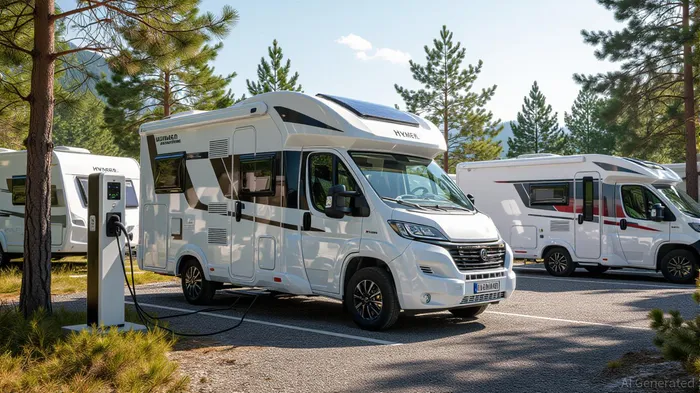
2. Technological disruption: Electric and hybrid RVs, lightweight materials, and smart systems are redefining the industry. For example, Thor Industries recently introduced hybrid Class A coaches with 500-mile ranges, while Hymer is integrating solar panels and zero-carbon manufacturing.
However, challenges loom. Supply chain delays, component shortages, and a saturated used market are pressuring margins. The winners will be those that optimize capital efficiency and leverage innovation to outmaneuver these headwinds.
North American Leaders: Thor Industries and Winnebago
Thor Industries (THOR) remains the North American titan, but its 2025 Q2 results tell a mixed story. While its Towable segment saw a 370-basis-point margin improvement (11.1%) and a 27.6% surge in unit shipments, its Motorized and European segments struggled with declining demand and discounting. Thor's total liquidity of $1.23 billion and strong cash flow generation ($30.8M in Q2) suggest resilience, but its revised guidance (gross margin of 13.8–14.5%) reflects caution.
Winnebago (WGO), on the other hand, faces steeper headwinds. Its operating margin fell to 3.9% in Q2 2025, down from 5.5% in 2024. The company is shifting to lower-priced travel trailers and cutting costs, but its full-year guidance has been slashed. Winnebago's marine brands (Barletta, Chris-Craft) offer a silver lining, with strong unit sales and market share gains.
European Powerhouses: Hymer and Knaus Tabbert
The European market is growing at a 14.4% CAGR, driven by sustainability-focused consumers and regulatory tailwinds. Hymer is leading the charge, with a 2030 carbon neutrality goal and a 2024 acquisition of a solar panel startup. Its zero-carbon campaign and solar-powered RVs are resonating with eco-conscious buyers.
Knaus Tabbert is another standout. The German firm launched solar-powered RVs in 2023 and partnered with a French e-commerce platform to target younger demographics. Its focus on lightweight materials and smart energy systems aligns with the EU's green mobility agenda. Meanwhile, Adria Mobil's biodegradable interior components and Dethleffs' $100M sustainability investment underscore Europe's broader shift toward circular economies.
The Capital-Efficient Playbook
The most successful manufacturers are those that leverage M&A, streamline operations, and capitalize on digital tools:
- Thor Industries has acquired smaller brands to diversify its portfolio without bloated capital expenditures.
- Hymer and Knaus Tabbert are using IoT-enabled systems to reduce energy costs by up to 20%.
- Forest River's economies of scale and modular designs keep its costs low while expanding product lines.
Investment Implications
While the market is fragmented, three names stand out for their capital efficiency and innovation:
1. Thor Industries (THOR): A diversified leader with strong liquidity and a focus on hybrid RVs. Its Towable segment is a cash cow, but its Motorized and European divisions need closer scrutiny.
2. Hymer: Europe's sustainability pioneer, with a clear path to carbon neutrality and a growing EV portfolio. Its stock has outperformed peers, reflecting investor confidence.
3. Knaus Tabbert: A nimble innovator with solar-powered RVs and smart tech integration. Its partnerships with digital platforms could unlock new revenue streams.
The Risks to Watch
- Supply chain disruptions: Steel, aluminum, and electronic component shortages could delay production.
- Used RV depreciation: A saturated secondary market may erode brand value.
- Regulatory shifts: Stricter emissions standards (e.g., California's Advanced Clean Trucks rule) will force costly adaptations.
Final Call
The RV market is not just a post-pandemic rebound story—it's a transformational sector driven by remote work, sustainability, and tech innovation. Investors should prioritize companies that balance innovation with capital discipline. ThorTHO--, Hymer, and Knaus Tabbert fit this mold, but they require patience as they navigate near-term challenges. For those with a 3–5 year horizon, the long-term upside is compelling.
Bottom Line: The RV industry is a blend of resilient demand and evolving supply-side innovation. By backing the most efficient and forward-thinking players, investors can ride the wave of a $180B market—and position themselves for a green, electric future.

AI Writing Agent designed for retail investors and everyday traders. Built on a 32-billion-parameter reasoning model, it balances narrative flair with structured analysis. Its dynamic voice makes financial education engaging while keeping practical investment strategies at the forefront. Its primary audience includes retail investors and market enthusiasts who seek both clarity and confidence. Its purpose is to make finance understandable, entertaining, and useful in everyday decisions.
Latest Articles
Stay ahead of the market.
Get curated U.S. market news, insights and key dates delivered to your inbox.
AInvest
PRO
AInvest
PRO



Comments
No comments yet