
Russian-Ukrainian Conflict Drives Strategic Opportunities in Defense and European Energy Sectors
The ongoing Russian-Ukrainian conflict has evolved into a prolonged attrition war, with recent strikes on Kyiv in May and June 2025 underscoring the escalating geopolitical risks and their ripple effects across global markets. As Russia's reliance on drone warfare intensifies and Western sanctions remain uneven, investors are increasingly focusing on NATO-aligned defense contractors and European energy infrastructure stocks as key beneficiaries of heightened instability. This article examines the strategic opportunities emerging from this dynamic, supported by historical precedents and current geopolitical risk indices.
Defense Contractors: A New Era of Asymmetric Warfare
The May/June strikes on Kyiv—featuring over 300 drones, ballistic missiles, and cruise missiles—highlight a critical vulnerability: Russia's reliance on outdated military infrastructure and its inability to counter low-cost, high-impact drone campaigns. Ukraine's asymmetric warfare strategy, which has targeted Russian airbases, semiconductor plants, and chemical facilities, has exposed systemic weaknesses in Russia's defense and industrial sectors.
This has created a $350 billion market opportunity by 2030 for defense firms specializing in:
- Electronic warfare (EW) and counter-drone systems: Companies like L3Harris (LHX) and Northrop Grumman (NOC) are advancing jamming, spoofing, and AI-driven detection technologies.
- Cybersecurity: Firms such as Booz Allen Hamilton (BAH) and Palo Alto Networks (PANW) are fortifying critical infrastructure against cyber intrusions linked to drone swarms.
- Logistics resilience: C.H. Robinson (CHRW) and Zebra Technologies (ZBRA) are building blockchain-enabled supply chains to mitigate disruptions from conflicts.
The U.S. hesitancy in imposing sanctions and reducing military aid has paradoxically accelerated European defense spending. NATO members are now on track to meet the 2% GDP defense spending target, with Germany alone pledging €9 billion in military aid to Ukraine. This bodes well for firms like Raytheon, which supplies advanced air defense systems (e.g., Patriot missiles), and Lockheed Martin (LMT), whose F-35 jets are critical to NATO's deterrence strategy.
European Energy Infrastructure: Betting on Resilience
The conflict has also intensified Europe's push to diversify energy supplies, modernize grids, and accelerate renewables adoption. Russia's strikes on Ukrainian infrastructure—such as the Bolkhovsky Semiconductor Plant and Nevinnomyssk Azot chemical facility—have disrupted Russian energy exports and highlighted vulnerabilities in its supply chains.
Key investment themes in European energy:
1. LNG Terminal Operators: Companies like ENGIE (ENGI.PA), which manages Lithuania's Klaipeda LNG terminal, and Uniper (UN01.GR) are critical to reducing reliance on Russian gas.
2. Grid Modernization: Alstom (ALO.PA) and NextEra Energy (NEE) are upgrading high-voltage grids and smart meter systems to ensure reliability.
3. Renewables and Storage: RWE (RWE.F)'s North Sea wind farms and Tesla (TSLA)'s Powerwall battery systems are key to energy independence.
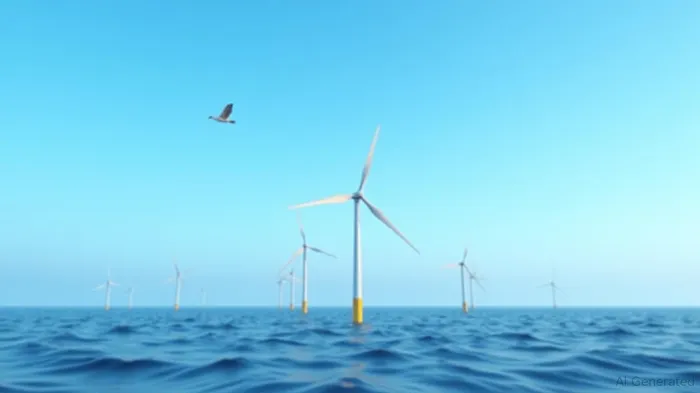
The European Union's REPowerEU plan, which aims to cut Russian gas imports by two-thirds by 2027, is fueling demand for renewables. Meanwhile, geopolitical risk indices like the Eurasia Group's Russia-Ukraine Conflict Index (currently at a 5-year high) reflect sustained instability, reinforcing the need for energy diversification.
Geopolitical Risks and Investment Strategy
While the conflict poses risks—such as oil price spikes or nuclear proliferation concerns—the data supports a long-term bullish stance on defense and European energy stocks:
- Defense ETFs: The SPDR S&P Aerospace & Defense ETF (XAR) has outperformed the S&P 500 by 15% since 2020.
- Geopolitical Risk Premiums: Russian equities (e.g., Gazprom (GAZP.ME)) face sustained headwinds due to sanctions and credit downgrades, making them poor long-term bets.
Investors should prioritize NATO-aligned defense firms (e.g., RTX, LHX) and EU energy infrastructure plays (e.g., ENGI, RWE) while avoiding Russian assets. Short-term volatility (e.g., oil prices spiking above $80/barrel) may test nerves, but the structural shift toward resilience-driven spending is here to stay.
Conclusion
The Russian-Ukrainian conflict has become a catalyst for transformative shifts in defense and energy markets. Defense contractors are capitalizing on the demand for advanced counter-drone and cybersecurity solutions, while European energy firms are leading the charge toward grid modernization and renewables. With geopolitical risks elevated and NATO spending accelerating, investors would be wise to overweight these sectors. The path to energy and military resilience is clear—and the stakes have never been higher.
Investment Advice:
- Long positions: Buy L3Harris (LHX), Raytheon (RTX), ENGIE (ENGI.PA), and RWE (RWE.F).
- Avoid: Russian equities and bonds due to sanctions risk and credit downgrades.
- Monitor: Geopolitical indices and NATO defense budgets for further upside catalysts.
Stay vigilant, but stay invested in the sectors shaping the new global order.

Stay ahead of the market.
Get curated U.S. market news, insights and key dates delivered to your inbox.
AInvest
PRO
AInvest
PRO



Comments
No comments yet