
Russian Recession Risks: Geopolitical Storm Clouds Harbor Strategic Investment Silver Linings
The Russian economy faces its most complex juncture since the 2014 sanctions era, with Q2 2025 growth projections hovering at just 1.9%—a stark slowdown from 2024's 4.1%. Yet beneath the surface of this “stagnation economy,” geopolitical pressures are creating asymmetric opportunities for investors. From defense supply chains to Asian trade corridors, here's how to parse the chaos into actionable plays.
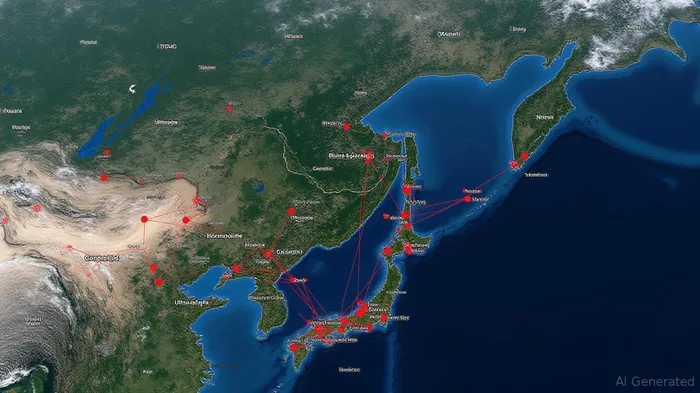
The Recession Risks: A Dual-Track Economy
Russia's growth is increasingly bifurcated. While military spending (now 40% of the budget) fuels sectors like aerospace and cyber defense, civilian industries are gasping. Inflation, though projected to fall to 7.9% by year-end, remains stubbornly high due to labor shortages (2.4% unemployment) and ruble volatility. The workforce deficit—projected to reach 2.4 million by 2030—has forced state-backed firms to outbid private companies for scarce labor, distorting market signals.
Geopolitical Catalysts:
1. Ukraine War Escalation: Prolonged conflict ensures military spending remains sacrosanct, diverting capital from consumer sectors.
2. US-China Trade Dynamics: U.S. tariffs on Russian goods (indirectly targeting China's supply chains) have accelerated Russia's pivot to Asian markets, but Beijing's leverage over Moscow grows as trade reliance deepens.
3. Sanctions on Tech Imports: Western tech bans are forcing Russia to “invent or stagnate”—creating a boom in domestic cybersecurity and industrial robotics.
Strategic Sectors to Exploit the Crisis
1. Defense & Cybersecurity (Long)
The military-industrial complex is the only sector insulated from recession. State contracts for drones, AI warfare systems, and cyber defense tools are booming.
- Investment Play:
- RSI Group: Russia's top cybersecurity firm, 80% of revenue tied to state contracts.
- Uralvagonzavod (UVZ): Defense equipment maker with guaranteed orders for armored vehicles.
2. Asian Trade Infrastructure (Long)
Russia's pivot to Asia is real—and profitable. China's demand for energy and minerals, plus Belt and Road infrastructure projects, are fueling growth in logistics and cross-border commerce.
- Investment Play:
- Transneft: Pipeline operator expanding routes to China.
- Polyus Gold: Russia's top gold miner, benefiting from ruble-hedged exports.
3. Hard Assets (Long)
High inflation and ruble instability create a “flight to tangibles.”
- Investment Play:
- Gold: Russia's gold reserves are up 12% YTD 2025; miners like Polymetal thrive.
- Agricultural Land: Farmland prices rose 18% in 2024 as urban emigration creates rural demand.
4. Short Volatility Plays
Bet on the ruble's roller-coaster ride.
- Trade Idea:
- Short RUB/USD pairs when sanctions rhetoric flares (e.g., U.S. expands oil sanctions).
- Hedge with Sberbank's USD-denominated bonds, which trade at 15% yield.
Risks & Triggers to Monitor
- Immediate Catalyst: Q2 GDP data (due July 2025) may confirm a technical recession, spiking ruble volatility.
- Long-Term Threat: China's leverage could force Russia into unfavorable trade terms, destabilizing fiscal policy.
Conclusion: Navigating the Gray Zone
Russia's recession is less a “end game” and more a prolonged stress test for global markets. Investors who can stomach geopolitical noise—and focus on sectors insulated by state patronage or Asian demand—can turn instability into asymmetric alpha.
Final Call:
- Overweight: Defense, Asian trade, and hard assets.
- Underweight: Consumer discretionary stocks (e.g., X5 Retail Group), vulnerable to wage stagnation.
The Kremlin's pivot to autarky has created a “black market” of opportunities—just look to the sectors thriving in the shadows of sanctions.

Delivering real-time insights and analysis on emerging financial trends and market movements.
Latest Articles
Stay ahead of the market.
Get curated U.S. market news, insights and key dates delivered to your inbox.


AInvest
PRO
AInvest
PRO



Comments
No comments yet