
Russian Drone Strike in Kharkiv Claims Seven Lives, Including Two Children, as Conflict Intensifies in August 2025
 Aime Summary
A Russian drone attack struck Kharkiv in early August 2025, resulting in the deaths of seven people, including two children. The attack occurred amid ongoing hostilities between Ukrainian forces and Russian military units, marking a significant escalation in the region. Casualty figures and damage assessments have been released by Ukrainian authorities, confirming multiple civilian and civilian infrastructure impacts.
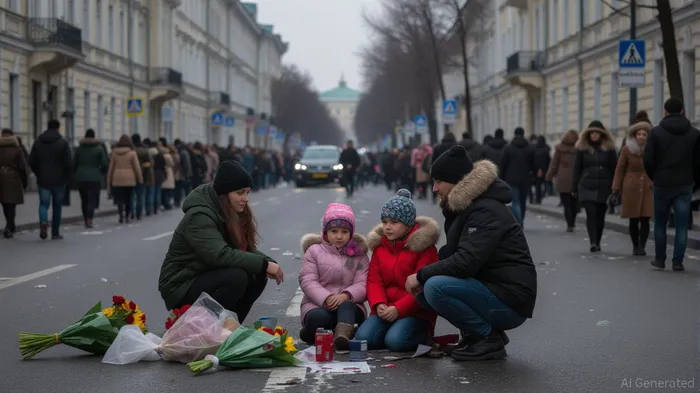
The attack targeted a civilian area, with explosive devices detonating near residential structures. Emergency services responded swiftly to contain the situation and provide medical assistance. Among the deceased were two minors, raising further concerns about the safety of non-combatant populations in conflict zones. Ukrainian officials have condemned the strike as a deliberate act against civilians, urging international condemnation and action.
In the aftermath, local authorities confirmed ongoing efforts to stabilize the affected neighborhoods and provide support to victims. The Ukrainian government has intensified calls for the international community to intervene and ensure compliance with international humanitarian law. The attack has reignited debates about the conduct of warfare in populated areas and the adequacy of current ceasefire agreements.
Russian military actions in the region have continued to be a source of instability, with sporadic drone and missile strikes reported across multiple fronts. The attack in Kharkiv follows a pattern of recent offensives, including the use of long-range drones and precision-guided weapons. These tactics have contributed to a rising toll of civilian casualties and have drawn increased scrutiny from humanitarian organizations.
The incident has also drawn attention to the effectiveness of Ukraine’s air defense systems. While some intercepts have been reported, the continued success of Russian drone operations highlights vulnerabilities in the current defense infrastructure. Defense analysts have pointed to the need for enhanced air surveillance and rapid response capabilities to mitigate future threats.
The broader economic and social implications of the conflict remain a pressing concern. The destruction of civilian infrastructure, combined with the displacement of residents, continues to strain local resources and emergency response capacities. The incident in Kharkiv is expected to further impact regional stability and could influence the trajectory of international aid and diplomatic efforts.
Ukrainian officials have reiterated their commitment to defending the country while calling for greater international support to counter further aggression. The ongoing conflict underscores the fragile state of peace efforts and highlights the urgent need for diplomatic and military strategies that prioritize civilian safety.

Stay ahead of the market.
Get curated U.S. market news, insights and key dates delivered to your inbox.


AInvest
PRO
AInvest
PRO



Comments
No comments yet