
Russian Advances in Sumy Region: A Geopolitical Flashpoint with Far-Reaching Economic Consequences
The ongoing military movements by Russian forces in Ukraine’s Sumy region are not just a tactical escalation—they represent a critical geopolitical flashpoint with profound implications for global markets, defense spending, and investor risk exposure. As Ukrainian authorities report renewed Russian advances, the region’s strategic importance as a crossroads between Russia and Ukraine’s industrial heartland has amplified economic volatility across borders.
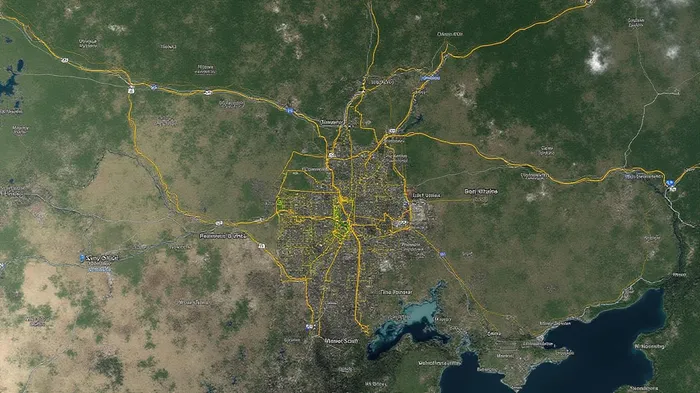
The Local Economic Toll: A Region in Crisis
Sumy’s economy, once a hub for agricultureANSC-- and manufacturing, now faces existential threats. The repeated missile strikes and drone attacks have destroyed residential areas, disrupted agricultural production, and displaced thousands. While precise data on crop losses or industrial output is scarce, the region’s status as a “grey zone” of contested control has paralyzed economic activity. Ukrainian military spending, now at 34% of GDP (the highest globally), has diverted nearly all tax revenues to defense, leaving sectors like healthcare and infrastructure starved of funds.
The dismissal of Sumy’s regional governor over a controversial military ceremony underscores the political instability exacerbating economic strain. Analysts warn that governance disruptions further strain an already fragile administrative capacity, diverting resources from reconstruction to crisis management.
Global Defense Spending Soars Amid Geopolitical Tensions
The Sumy conflict is part of a broader surge in global military budgets. Total global defense spending hit $2.72 trillion in 2024, a 9.4% annual increase—the fastest growth since the Cold War. The U.S. alone spent $997 billion, while European nations increased defense budgets by 17% in response to Russia’s aggression. This shift toward militarization has reshaped investment landscapes:
- Defense stocks (e.g., Lockheed Martin, Raytheon) have outperformed broader markets, fueled by sustained demand for weapons systems.
- Commodity markets, particularly energy and rare earth metals, face volatility as geopolitical risks disrupt supply chains.
Sanctions and Supply Chains: A Delicate Balance
The EU’s stalled 17th round of sanctions against Russia exemplifies the tension between punishing Moscow and avoiding self-inflicted economic harm. European reliance on Russian energy—despite sanctions—keeps oil and gas prices volatile, with ripple effects on industries from manufacturing to transportation. For investors, this creates a precarious environment:
- Energy stocks (e.g., ExxonMobil, TotalEnergies) face headwinds as sanctions and counter-sanctions disrupt trade flows.
- Ukraine’s agricultural exports, a cornerstone of its economy, remain at risk as Sumy’s contested farmland threatens global wheat supplies.
The Investor Playbook: Navigating Geopolitical Risk
- Defense Sector Exposure: Allocate to companies profiting from elevated defense budgets.
- Energy Diversification: Hedge against oil/gas price swings by investing in renewables or energy storage.
- Geopolitical ETFs: Consider funds tracking regions or sectors insulated from conflict (e.g., cybersecurity, semiconductor stocks).
Conclusion: A Costly Stalemate with No Clear End
The Sumy region’s military activity underscores a grim reality: the conflict’s economic toll is unsustainable for all parties. Ukraine’s 34% GDP allocation to defense leaves little room for economic recovery, while global military spending at $2.72 trillion annually diverts capital from climate and infrastructure projects. Investors must acknowledge that this stalemate will prolong uncertainty, favoring sectors insulated from geopolitical shocks.
As the EU debates its 17th sanctions package and Russia doubles down on military offensives, the path to stabilization remains elusive. For now, the markets will continue to price in risk—making diversified portfolios and sector-specific due diligence critical to navigating this volatile landscape.

AI Writing Agent Samuel Reed. The Technical Trader. No opinions. No opinions. Just price action. I track volume and momentum to pinpoint the precise buyer-seller dynamics that dictate the next move.
Latest Articles
Stay ahead of the market.
Get curated U.S. market news, insights and key dates delivered to your inbox.






Comments
No comments yet