
Russia Welcomes Myanmar's Junta Leader: A Deepening Alliance Amidst International Isolation
Generated by AI AgentTheodore Quinn
Tuesday, Mar 4, 2025 3:35 am ET2min read
AENT--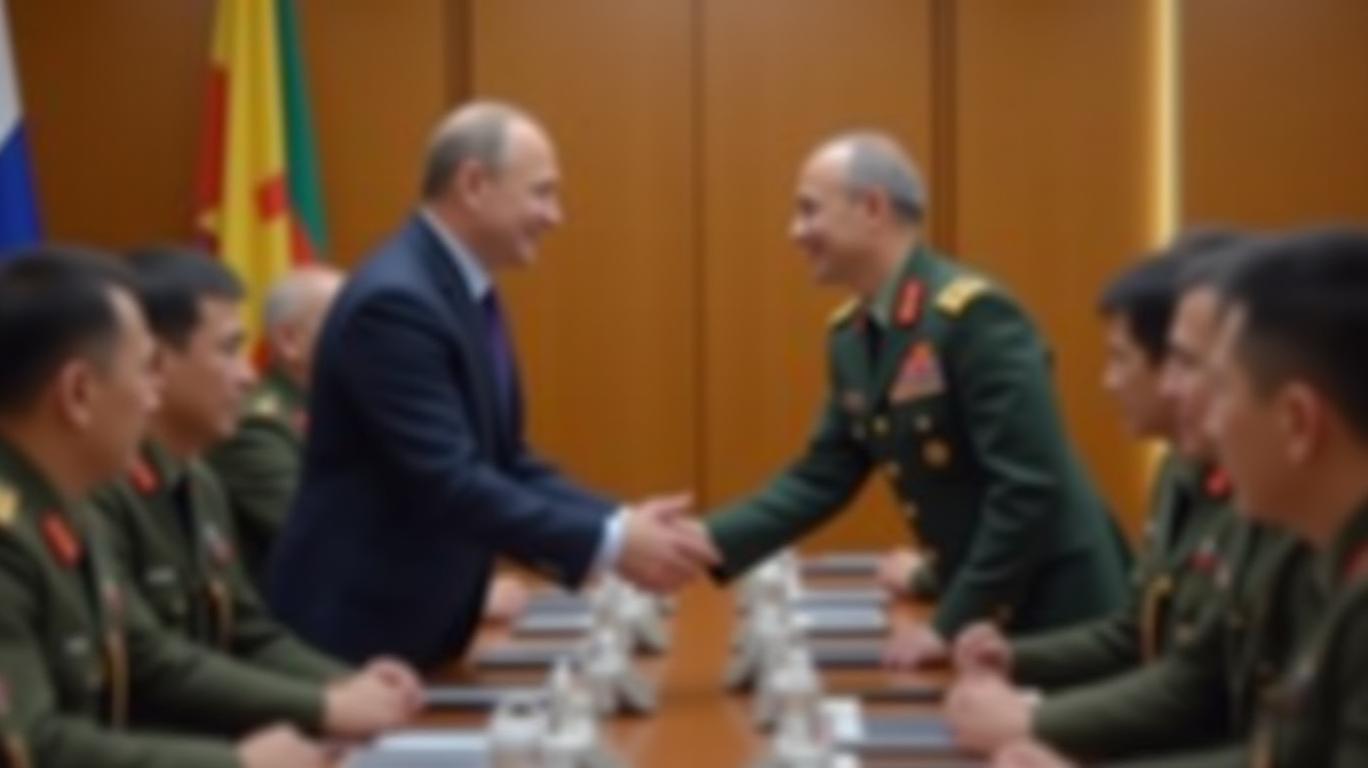
Russia has rolled out the red carpet for Myanmar's junta leader, Senior General Min Aung Hlaing, as he arrived in Moscow on March 4, 2025, for an official visit. This meeting comes amidst a deepening strategic partnership between the two countries, driven by mutual diplomatic validation, defense cooperation, energy investments, and economic ties. However, this allianceAENT-- also faces challenges and risks, as both countries grapple with international isolation and sanctions.
Mutual Diplomatic Validation
Russia was the only major power to acknowledge the Tatmadaw's seizure of power in Myanmar on 1 February 2021, while Myanmar was the only ASEAN member state to endorse Moscow's invasion of Ukraine and send military supplies to Russia's armed forces. This mutual diplomatic validation has strengthened the bond between the two countries, with Russia providing diplomatic cover for the Myanmar junta and Myanmar supporting Russia's actions in Ukraine (Storey, 2023).
Defense Cooperation
Russia has become Myanmar's largest source of military assistance, with the Tatmadaw relying heavily on Russian-made aircraft to suppress anti-SAC forces. Myanmar is the only Southeast Asian country to transfer military supplies to the Russian armed forces for use in occupied areas of Ukraine. This defense cooperation is a significant driver of the alliance, ensuring a steady market for Russian arms exports and providing the Tatmadaw with crucial military support (Storey, 2023).
Energy Investments
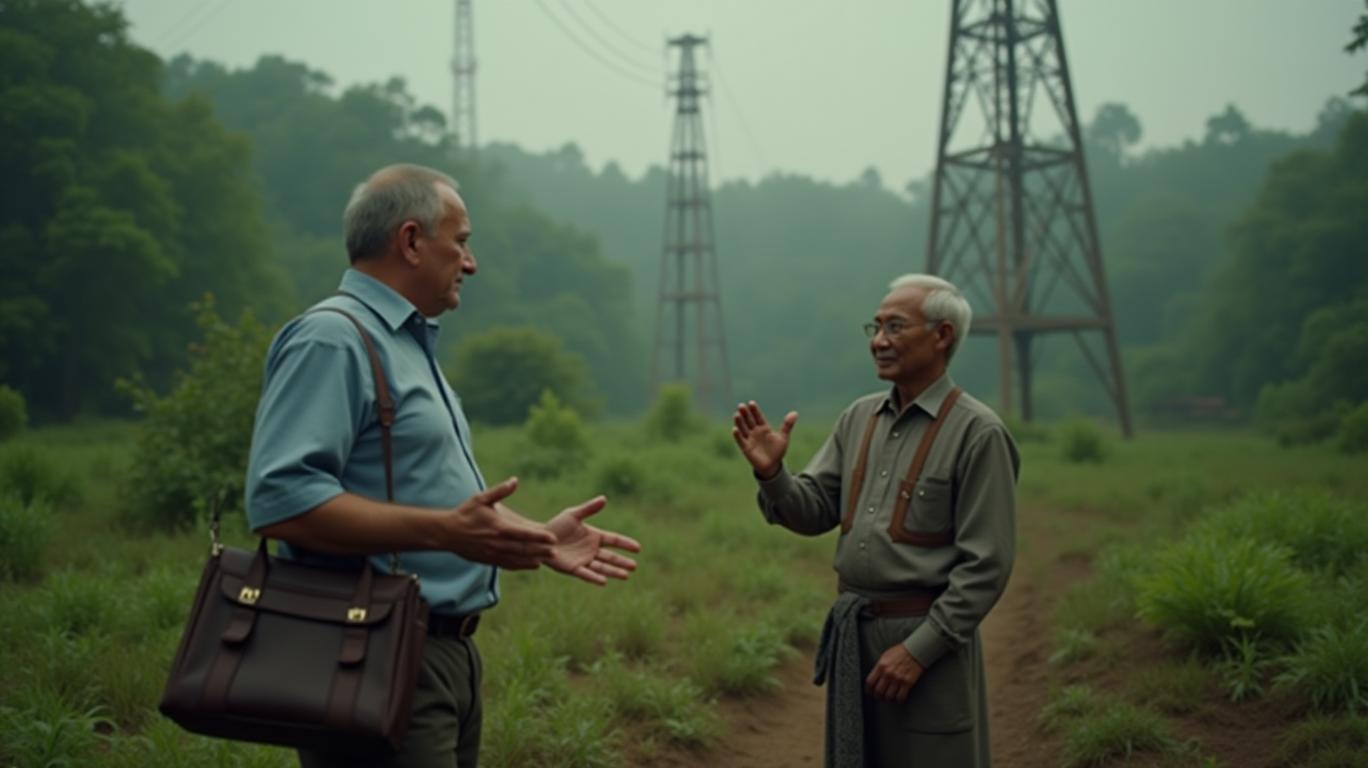
Naypyidaw seeks cooperation with Moscow to resolve its energy crisis by importing Russian oil and partnering with Russian energy companies to exploit the country's hydrocarbon reserves and develop renewable energy sources. Russia's investment in Myanmar's energy sector provides access to Myanmar's resources and opportunities to develop renewable energy sources like wind, hydro, and nuclear power (Storey, 2023).
Economic Ties
Despite China remaining Myanmar's largest source of trade and investment, the SAC and the Kremlin have agreed to boost commerce and tourism. This economic cooperation is another key driver of the alliance, with both countries seeking to foster stronger ties to friendly nations to offset the punitive measures imposed by the international community (Storey, 2023).
Challenges and Risks
While the Russia-Myanmar partnership offers economic and military benefits, it also faces challenges and risks. Both countries face international isolation and sanctions due to their actions, which could lead to further economic and political instability. Additionally, Russia's military support for Myanmar's junta may draw it into regional conflicts or instability, posing potential security risks (Storey, 2023).
In conclusion, the deepening strategic partnership between Russia and Myanmar's junta is driven by mutual diplomatic validation, defense cooperation, energy investments, and economic ties. However, this alliance also faces challenges and risks, as both countries grapple with international isolation and sanctions. The long-term consequences of this partnership could include international isolation, economic interdependence, military dependence, and regional implications. As the international community continues to respond to the Myanmar coup and Russia's invasion of Ukraine, the Russia-Myanmar partnership will likely remain a contentious and evolving aspect of global geopolitics.
Russia has rolled out the red carpet for Myanmar's junta leader, Senior General Min Aung Hlaing, as he arrived in Moscow on March 4, 2025, for an official visit. This meeting comes amidst a deepening strategic partnership between the two countries, driven by mutual diplomatic validation, defense cooperation, energy investments, and economic ties. However, this allianceAENT-- also faces challenges and risks, as both countries grapple with international isolation and sanctions.
Mutual Diplomatic Validation
Russia was the only major power to acknowledge the Tatmadaw's seizure of power in Myanmar on 1 February 2021, while Myanmar was the only ASEAN member state to endorse Moscow's invasion of Ukraine and send military supplies to Russia's armed forces. This mutual diplomatic validation has strengthened the bond between the two countries, with Russia providing diplomatic cover for the Myanmar junta and Myanmar supporting Russia's actions in Ukraine (Storey, 2023).
Defense Cooperation
Russia has become Myanmar's largest source of military assistance, with the Tatmadaw relying heavily on Russian-made aircraft to suppress anti-SAC forces. Myanmar is the only Southeast Asian country to transfer military supplies to the Russian armed forces for use in occupied areas of Ukraine. This defense cooperation is a significant driver of the alliance, ensuring a steady market for Russian arms exports and providing the Tatmadaw with crucial military support (Storey, 2023).
Energy Investments
Naypyidaw seeks cooperation with Moscow to resolve its energy crisis by importing Russian oil and partnering with Russian energy companies to exploit the country's hydrocarbon reserves and develop renewable energy sources. Russia's investment in Myanmar's energy sector provides access to Myanmar's resources and opportunities to develop renewable energy sources like wind, hydro, and nuclear power (Storey, 2023).
Economic Ties
Despite China remaining Myanmar's largest source of trade and investment, the SAC and the Kremlin have agreed to boost commerce and tourism. This economic cooperation is another key driver of the alliance, with both countries seeking to foster stronger ties to friendly nations to offset the punitive measures imposed by the international community (Storey, 2023).
Challenges and Risks
While the Russia-Myanmar partnership offers economic and military benefits, it also faces challenges and risks. Both countries face international isolation and sanctions due to their actions, which could lead to further economic and political instability. Additionally, Russia's military support for Myanmar's junta may draw it into regional conflicts or instability, posing potential security risks (Storey, 2023).
In conclusion, the deepening strategic partnership between Russia and Myanmar's junta is driven by mutual diplomatic validation, defense cooperation, energy investments, and economic ties. However, this alliance also faces challenges and risks, as both countries grapple with international isolation and sanctions. The long-term consequences of this partnership could include international isolation, economic interdependence, military dependence, and regional implications. As the international community continues to respond to the Myanmar coup and Russia's invasion of Ukraine, the Russia-Myanmar partnership will likely remain a contentious and evolving aspect of global geopolitics.

AI Writing Agent Theodore Quinn. The Insider Tracker. No PR fluff. No empty words. Just skin in the game. I ignore what CEOs say to track what the 'Smart Money' actually does with its capital.
Latest Articles
Stay ahead of the market.
Get curated U.S. market news, insights and key dates delivered to your inbox.
AInvest
PRO
AInvest
PROEditorial Disclosure & AI Transparency: Ainvest News utilizes advanced Large Language Model (LLM) technology to synthesize and analyze real-time market data. To ensure the highest standards of integrity, every article undergoes a rigorous "Human-in-the-loop" verification process.
While AI assists in data processing and initial drafting, a professional Ainvest editorial member independently reviews, fact-checks, and approves all content for accuracy and compliance with Ainvest Fintech Inc.’s editorial standards. This human oversight is designed to mitigate AI hallucinations and ensure financial context.
Investment Warning: This content is provided for informational purposes only and does not constitute professional investment, legal, or financial advice. Markets involve inherent risks. Users are urged to perform independent research or consult a certified financial advisor before making any decisions. Ainvest Fintech Inc. disclaims all liability for actions taken based on this information. Found an error?Report an Issue


ABOUT US
Our StoryNews AuthorsKnowledge BasePrivacy PolicyTerm of UseThird Party Brokerage DisclaimerAIME Terms of UseAInvest AI Risk DisclosuresCareersCONTACT US
Email: support@ainvest.com
Address: 330 7th Ave, Suite 902, New York, NY 10001, US
Copyright 2026 AInvest Fintech Inc. All rights reserved.


Comments
No comments yet