
Russia-Ukraine Talks Resume After Three-Year Hiatus, Prisoner Exchange Agreed
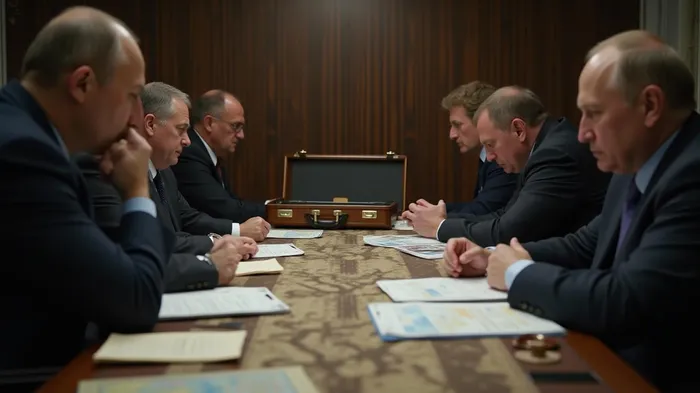
On April 16, representatives from Russia and Ukraine held their first direct talks in three years, with the negotiations lasting nearly two hours in Istanbul, Turkey. The discussions were significant as they marked a resumption of dialogue after a prolonged period of stalemate. The primary focus of the talks was to address the ongoing conflict and explore pathways towards a resolution.
The following day, Russian Foreign Minister Sergei Lavrov engaged in a telephone conversation with U.S. Secretary of State Marco Rubio at the suggestion of the U.S. side. The conversation centered around the outcomes of the previous day's Russia-Ukraine talks and the exchange of various international issues. Lavrov expressed that the U.S. had played a constructive role in resuming the negotiation process, acknowledging that it was due to U.S. assistance that Kyiv accepted President Putin's proposal to restore the Istanbul negotiation format. Lavrov also confirmed Moscow's willingness to continue cooperation with the U.S. in this area.
During the call, Rubio welcomed the prisoner exchange agreement reached between Russia and Ukraine, noting that both sides were preparing their positions on potential ceasefire conditions. The U.S. reiterated its commitment to assisting in the search for a political solution to the Russia-Ukraine conflict. Both parties discussed a range of urgent international and regional issues, expressing a desire to maintain contact between their respective foreign ministries.
Following the talks, Russian President's Assistant and head of the Russian delegation, Vladimir Medinsky, announced that Russia and Ukraine would exchange 1,000 prisoners each in the coming days. Medinsky expressed overall satisfaction with the negotiation results and indicated Russia's willingness to continue engaging with Ukraine. He also noted that the Ukrainian delegation had proposed direct talks between the two countries' leaders, a suggestion that Russia was aware of.
The talks, however, were met with lowered expectations due to the relatively low level of Russian representatives and the absence of both Russian and U.S. presidents. This led to a dampened outlook on the possibility of significant breakthroughs from the talks. Lavrov emphasized that Russia's negotiation goal was to achieve lasting peace by addressing the root causes of the conflict. Rubio, on the other hand, urged both Russia and Ukraine to reach an agreement promptly, warning that the U.S. would withdraw from mediation efforts if no progress was made.
The Russian delegation, led by Vladimir Medinsky, included a deputy defense minister, a deputy foreign minister, and the head of the military intelligence agency. The delegation was prepared to engage in serious negotiations but criticized Ukraine for attempting to use the talks for political gain. Ukrainian President Volodymyr Zelenskyy described the Russian delegation as a "decorative" team, expressing his dissatisfaction with the level of representation.
The negotiations were part of ongoing efforts to resolve the conflict, which has resulted in significant casualties and displacement. The U.S. had previously threatened to withdraw from mediation efforts if no clear progress was made. The talks were seen as a crucial step in the peace process, but the lack of high-level representation and the delay in scheduling raised questions about the seriousness of both sides' commitment to finding a resolution.

Stay ahead of the market.
Get curated U.S. market news, insights and key dates delivered to your inbox.


AInvest
PRO
AInvest
PRO



Comments
No comments yet