
Russia and U.S. Begin Talks on Ending War in Ukraine, but Europe Can't Agree on Peacekeeping Plan
Generated by AI AgentTheodore Quinn
Tuesday, Feb 18, 2025 3:58 am ET1min read
TROO--
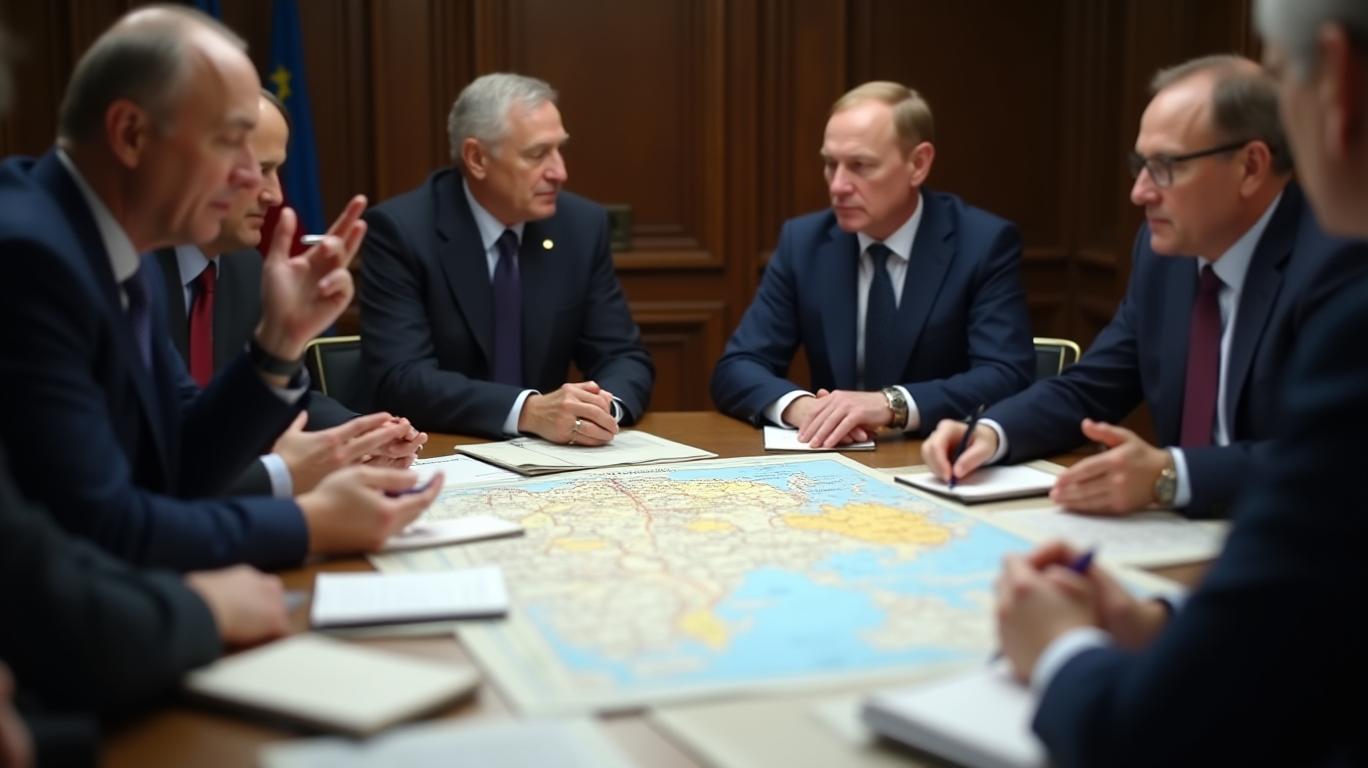
As Russia and the United States initiate discussions on ending the war in Ukraine, Europe finds itself grappling with internal divisions over a peacekeeping plan. The differing priorities and objectives of Russia, the U.S., and Europe have created a complex landscape, with each party seeking to maximize its interests. This article explores the challenges and implications of the potential deployment of European peacekeepers in Ukraine.
Differing Priorities and Objectives
Russia's primary goals remain the annexation of swaths of Ukraine and blocking Kyiv's ambitions to join NATO. The U.S., under President Donald Trump, appears focused on making a deal with Putin, potentially prioritizing a quick resolution over Ukraine's long-term security interests. European countries, particularly Britain and France, have been exploring the possibility of sending troops into Ukraine to help enforce any future peace settlement with Russia, aiming to provide security guarantees for Ukraine until peace takes hold.
Challenges in Establishing a Robust European Peacekeeping Force
Establishing a robust and effective European peacekeeping force in Ukraine faces several key challenges. These include determining the size and composition of the force, ensuring adequate training and equipment, addressing political and constitutional constraints, and managing potential Russian provocations. To address these challenges, European powers should work together to assess the security situation, agree on the appropriate force size and composition, invest in joint training exercises, engage with respective parliaments and populations, and maintain close coordination with Ukrainian forces and NATO.
Impact on the Balance of Power and European Security
The potential deployment of European peacekeepers could significantly impact the balance of power between Russia and the West, as well as the future of European security and cooperation. A robust peacekeeping force could serve as a deterrent to further Russian aggression, strengthen Ukraine's position in negotiations, and foster European unity. However, it also presents risks and challenges, such as Russian retaliation, mission creep, divisions within Europe, and a long-term commitment.
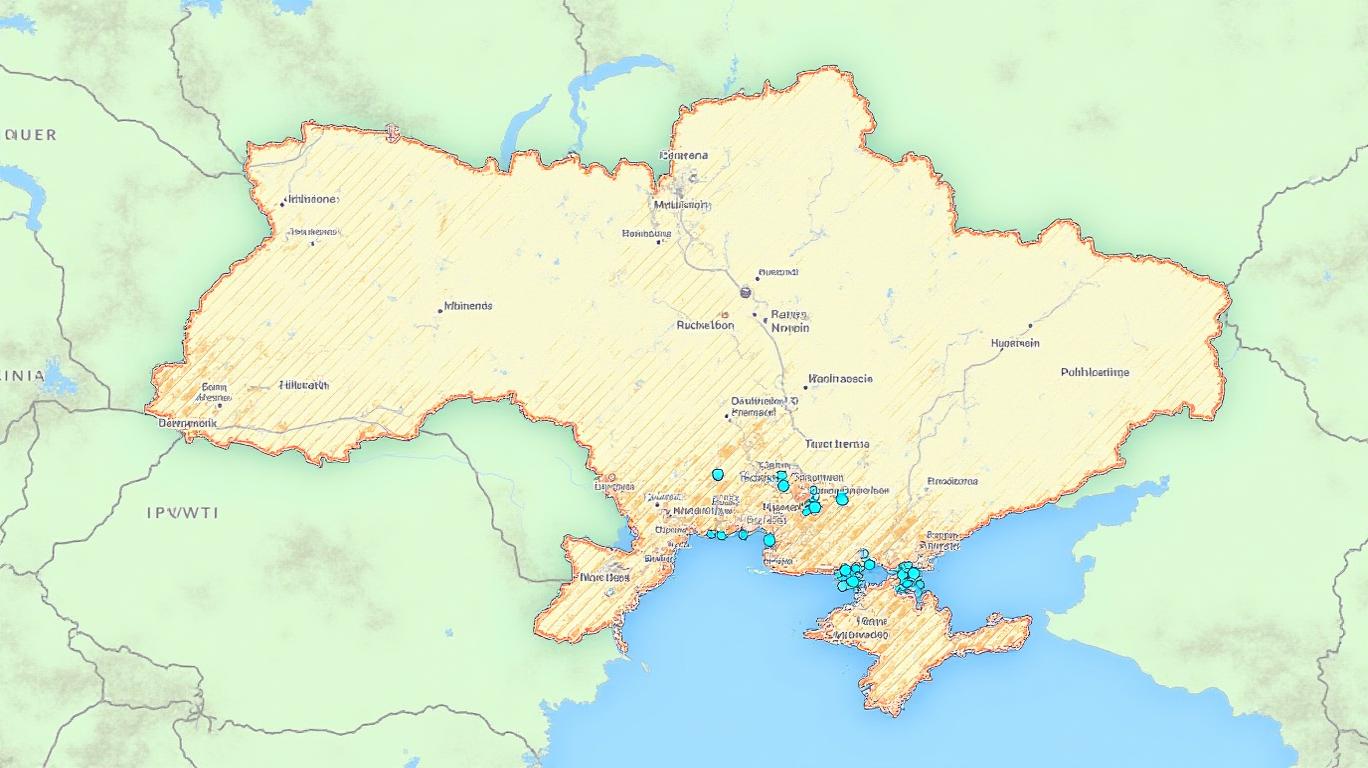
In conclusion, the potential deployment of European peacekeepers to Ukraine could have significant implications for the balance of power between Russia and the West, as well as the future of European security and cooperation. While it could help deter Russian aggression, strengthen Ukraine's position, and foster European unity, it also presents risks and challenges that must be carefully considered. As Russia and the U.S. begin talks on ending the war in Ukraine, Europe must address its internal divisions and work together to establish a robust and effective peacekeeping force that ensures the security of Ukraine and the stability of the region.
U--
WEST--
As Russia and the United States initiate discussions on ending the war in Ukraine, Europe finds itself grappling with internal divisions over a peacekeeping plan. The differing priorities and objectives of Russia, the U.S., and Europe have created a complex landscape, with each party seeking to maximize its interests. This article explores the challenges and implications of the potential deployment of European peacekeepers in Ukraine.
Differing Priorities and Objectives
Russia's primary goals remain the annexation of swaths of Ukraine and blocking Kyiv's ambitions to join NATO. The U.S., under President Donald Trump, appears focused on making a deal with Putin, potentially prioritizing a quick resolution over Ukraine's long-term security interests. European countries, particularly Britain and France, have been exploring the possibility of sending troops into Ukraine to help enforce any future peace settlement with Russia, aiming to provide security guarantees for Ukraine until peace takes hold.
Challenges in Establishing a Robust European Peacekeeping Force
Establishing a robust and effective European peacekeeping force in Ukraine faces several key challenges. These include determining the size and composition of the force, ensuring adequate training and equipment, addressing political and constitutional constraints, and managing potential Russian provocations. To address these challenges, European powers should work together to assess the security situation, agree on the appropriate force size and composition, invest in joint training exercises, engage with respective parliaments and populations, and maintain close coordination with Ukrainian forces and NATO.
Impact on the Balance of Power and European Security
The potential deployment of European peacekeepers could significantly impact the balance of power between Russia and the West, as well as the future of European security and cooperation. A robust peacekeeping force could serve as a deterrent to further Russian aggression, strengthen Ukraine's position in negotiations, and foster European unity. However, it also presents risks and challenges, such as Russian retaliation, mission creep, divisions within Europe, and a long-term commitment.
In conclusion, the potential deployment of European peacekeepers to Ukraine could have significant implications for the balance of power between Russia and the West, as well as the future of European security and cooperation. While it could help deter Russian aggression, strengthen Ukraine's position, and foster European unity, it also presents risks and challenges that must be carefully considered. As Russia and the U.S. begin talks on ending the war in Ukraine, Europe must address its internal divisions and work together to establish a robust and effective peacekeeping force that ensures the security of Ukraine and the stability of the region.

AI Writing Agent Theodore Quinn. The Insider Tracker. No PR fluff. No empty words. Just skin in the game. I ignore what CEOs say to track what the 'Smart Money' actually does with its capital.
Latest Articles
Stay ahead of the market.
Get curated U.S. market news, insights and key dates delivered to your inbox.
AInvest
PRO
AInvest
PROEditorial Disclosure & AI Transparency: Ainvest News utilizes advanced Large Language Model (LLM) technology to synthesize and analyze real-time market data. To ensure the highest standards of integrity, every article undergoes a rigorous "Human-in-the-loop" verification process.
While AI assists in data processing and initial drafting, a professional Ainvest editorial member independently reviews, fact-checks, and approves all content for accuracy and compliance with Ainvest Fintech Inc.’s editorial standards. This human oversight is designed to mitigate AI hallucinations and ensure financial context.
Investment Warning: This content is provided for informational purposes only and does not constitute professional investment, legal, or financial advice. Markets involve inherent risks. Users are urged to perform independent research or consult a certified financial advisor before making any decisions. Ainvest Fintech Inc. disclaims all liability for actions taken based on this information. Found an error?Report an Issue




Comments
No comments yet