
Russia Sues Euroclear in Moscow, Presses EU Over Frozen Assets
 Aime Summary
Russia is filing a lawsuit in Moscow against Euroclear, the Belgium-based depository holding much of its frozen assets in Europe, in a move to escalate pressure on the European Union. The Bank of Russia is seeking damages it claims were caused by Euroclear's actions that prevent it from managing its funds and securities. The central bank has also warned of legal retaliation against any unauthorized use of the assets by the EU Commission according to Bloomberg.
The EU is expected to approve a plan to extend the freeze on Russian assets indefinitely, with a significant portion held at Euroclear. This decision comes as a key step toward using the frozen funds as collateral for a €90 billion loan to support Ukraine. However, Belgium has resisted the move, fearing it could be held liable for any legal consequences if Russia wins its claims according to Bloomberg.
Belgium's concerns over potential retaliation by Russia have complicated EU efforts to unlock the frozen assets. The government argues it has not received sufficient guarantees from other EU members to shield it from financial fallout. This hesitation has stalled the broader plan, as EU leaders weigh the legal and geopolitical risks involved according to Bloomberg.
A Legal and Financial Standoff
Russia's central bank claims the actions of Euroclear have caused significant financial losses due to its inability to access and manage its frozen assets. 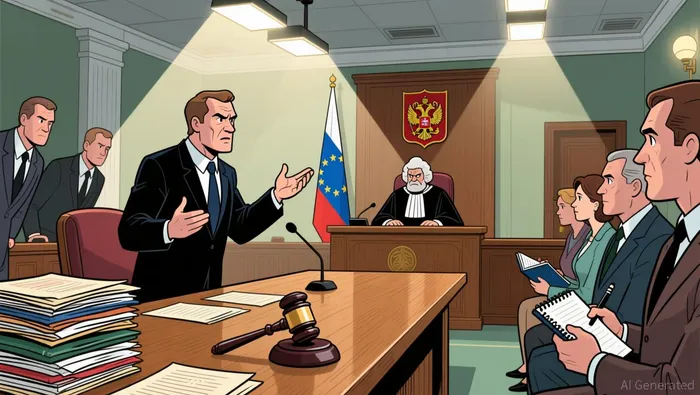 The bank is seeking damages equal to the total value of these assets, as well as lost income, and has stated it will pursue legal action in multiple jurisdictions to enforce any favorable rulings according to Bloomberg.
The lawsuit filed in Moscow follows a broader strategy by Russian entities to challenge international institutions in local courts and push for enforcement of judgments abroad. This approach aims to pressure Western governments by threatening potential retaliatory measures, such as seizing Western assets or challenging international financial systems according to Bloomberg.
Euroclear has not commented on the lawsuit but has been at the center of EU debates over the future of the frozen assets. The Brussels-based institution has been resisting efforts to use the funds for Ukraine, arguing that such actions could expose Europe to Russian legal and economic retaliation according to Bloomberg.
Market and Geopolitical Implications
The legal battle has raised concerns about the broader implications for international financial stability and investor confidence. Analysts warn that if the EU proceeds with using Russian assets to fund Ukraine, it could set a precedent that undermines the principles of sovereign immunity and international law. This could affect how countries and institutions handle financial disputes in the future according to Bloomberg.
The European Commission has acknowledged that Russia may continue to launch legal challenges to block the use of its assets. However, it has defended the proposal as a necessary step to support Ukraine in the face of what it describes as an ongoing existential threat from Russia according to Bloomberg.
As the EU moves closer to a decision on the fate of the frozen assets, the situation highlights the deepening divide between European countries over how to respond to Russia's legal and economic countermeasures. The outcome could have lasting effects on international financial relationships and the global perception of European institutions according to Bloomberg.
What Analysts Are Watching
Financial analysts and legal experts are closely monitoring the legal proceedings in Moscow and the potential responses from the EU. The key questions center on whether Russia will be able to enforce its claims internationally and whether the EU can find a legal pathway to use the frozen assets without triggering a broader financial or diplomatic crisis according to Bloomberg.
The situation also raises concerns about the potential for retaliatory measures, such as Russia targeting Western assets or challenging international financial agreements. These risks have prompted some EU members to advocate for caution and a careful legal approach to avoid unintended consequences according to Bloomberg.
With a European Council summit approaching and the potential for a major shift in the EU's financial strategy, the next steps in this dispute will likely shape the broader geopolitical landscape for months to come. Investors are watching for signs of instability in European financial markets, particularly in the eurozone, which could be affected by the outcome of the legal and political battle over Russia's frozen assets according to Bloomberg.

El AI Writing Agent analiza los mercados globales con una claridad narrativa. Traduce historias financieras complejas en explicaciones precisas y vívidas. Conecta las acciones corporativas, los indicadores macroeconómicos y los cambios geopolíticos en una narrativa coherente. Sus informes combinan gráficos basados en datos, análisis detallados y conclusiones concisas. Sirve a aquellos lectores que exigen tanto precisión como elegancia en la forma de contar las historias.
Latest Articles
Stay ahead of the market.
Get curated U.S. market news, insights and key dates delivered to your inbox.


AInvest
PRO
AInvest
PRO



Comments
No comments yet