
Russia Seizes ₽7 Million in Bitcoin from Ex-Grid Executive for Illegal Mining
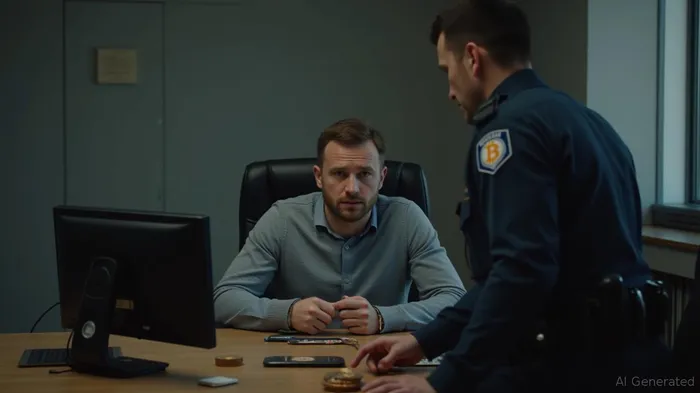
A former electric-grid executive in Russia has lost approximately ₽7 million (about $88,570) in Bitcoin after law enforcement agents seized his stash. The man, who was once in charge of technological connection services at the Far Eastern Distribution Company, used his inside knowledge to tap the grid and run mining rigs in his own home. He allegedly bypassed a metering device in 2024, stealing more than ₽3.5 million (around $44,334) worth of electricity to mine about 0.8414 BTC. The operation came to light when officers from Russia’s main federal investigating body, working with the Federal Security Service, raided his property and took control of his digital wallet.
Investigators tracked unusual power usage at the former executive’s residence. They discovered that he made an illegal connection to his employer’s grid facilities and hid the extra load from meters. When agents moved in, they found multiple mining rigs set up in his residential building. Those machines had already produced roughly 0.8414 BTC, which was valued at about ₽7 million at the time of seizure.
According to investigators, the man tapped into the distribution network without permission. He avoided regular billing by rerouting power lines and tricking meters. Over time, this added up to more than ₽3.5 million in stolen electricity bills. With that free power, he was able to mine Bitcoin in a space that looked like any other apartment. The press release noted that he used his role to both approve fake connections for others and skim electricity for himself. In addition to crypto mining, officers discovered he had taken bribes from local business owners, who paid him to speed up approvals for power-related documents.
Mining or holding Bitcoin has been tricky in Russia because the cryptocurrency doesn’t have clear legal status. This case moved forward because a draft law, made public in April, aims to let law enforcers treat crypto assets as intangible property in criminal cases. If that bill becomes law, courts could more easily order the seizure of Bitcoin and other digital tokens. Until then, investigators have been relying on existing anti-theft and anti-corruption statutes to confiscate crypto, as seen when they nabbed $8.2 million worth of crypto from a darknet operator or seized 1,032 BTC from a former investigator found guilty of taking bribes in Bitcoin.
This arrest is just one piece of a wider effort for Russia to clamp down on illegal crypto activity. Over the past year, Russian authorities have gone after darknet markets, insider traders hiding behind crypto deals, and anyone using hacks to steal electricity for mining. Federal agencies believe that tapping the grid for free power has become a common trick among local miners—especially in remote regions where oversight is weaker.
Summary: Russia’s crackdown on illegal cryptocurrency mining has intensified with recent raids and seizures. A former electric-grid executive was caught using his position to steal electricity and mine Bitcoin, resulting in the seizure of his digital wallet containing approximately ₽7 million in Bitcoin. This case highlights the broader efforts by Russian authorities to combat illegal crypto activities, including tapping into the grid for free power and using cryptocurrency for bribes. The legal landscape for cryptocurrency in Russia remains uncertain, but recent draft laws aim to provide clearer guidelines for law enforcement to seize crypto assets in criminal cases.
Analysis: The seizure of the former executive’s Bitcoin stash underscores the increasing scrutiny on illegal cryptocurrency mining in Russia. The use of insider knowledge to bypass metering devices and steal electricity for mining operations is a significant concern for authorities. The draft law aiming to treat crypto assets as intangible property in criminal cases could streamline the process for law enforcement to seize digital tokens, potentially deterring future illegal activities. The broader crackdown on darknet markets and insider trading further indicates Russia’s commitment to regulating the cryptocurrency space and ensuring compliance with existing laws.

Stay ahead of the market.
Get curated U.S. market news, insights and key dates delivered to your inbox.






Comments
No comments yet