
Russia's Pursuit of a Deal: Maintaining Military Bases in Syria
Generated by AI AgentTheodore Quinn
Wednesday, Mar 5, 2025 11:06 pm ET1min read
AL--
As the dust settles on the fall of Bashar al-Assad's regime in Syria, Russia finds itself in a delicate position, seeking to maintain its military presence in the country while navigating the demands of the new interim leadership. The future of Russia's military bases in Syria, particularly the TartousTARS-- naval base and the Hmeimim airbase, hangs in the balance as negotiations between Moscow and Damascus continue.
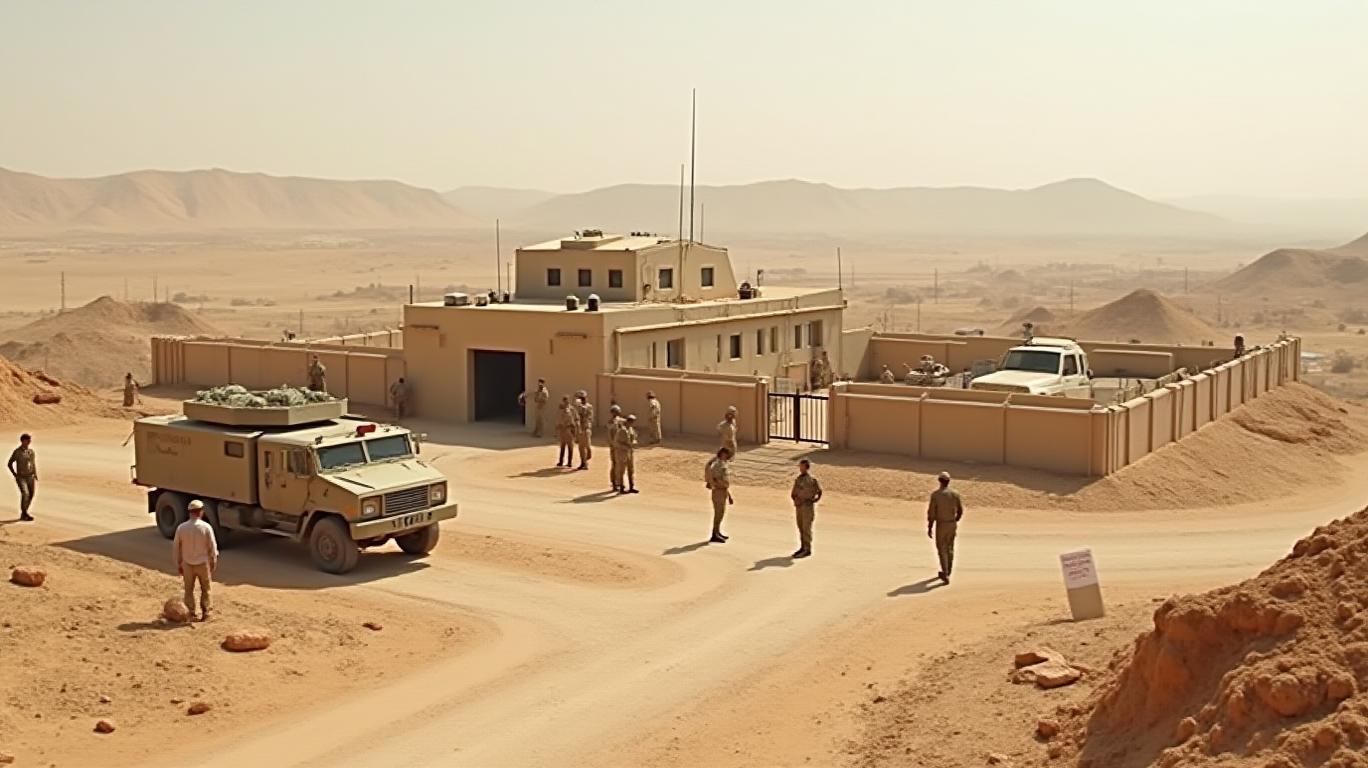
The strategic importance of these bases cannot be overstated. Tartous, Russia's only naval base in the Mediterranean, serves as a crucial hub for its operations in the region and beyond. Hmeimim, Russia's largest military airbase outside the former Soviet Union, allows Moscow to project power across the Middle East and Africa. Losing or significantly reducing Russia's presence in these bases could weaken its ability to challenge Western influence in the region and undermine its strategic interests.
However, maintaining these bases comes with significant financial and reputational costs. The upkeep and maintenance of the bases require substantial investment, while Russia's military intervention in Syria has been criticized internationally for its role in civilian casualties and human rights abuses. Moreover, the instability in Syria could pose a risk to Russian personnel and assets stationed in the country.
The new Syrian leadership, under interim President Ahmed al-Sharaa, has made several demands of Russia, including the cancellation of loans contracted under the Assad regime and the repatriation of Syrian funds believed to be deposited in Moscow. These demands could influence Russia's willingness to maintain its military bases in Syria by creating a financial burden, providing diplomatic leverage, affecting public perception, and highlighting the strategic importance of the bases.

Russia's response to these demands will be crucial in determining the future of its military presence in Syria. If Moscow agrees to the demands, it could improve its image in the eyes of the Syrian people and make it easier for Russia to maintain its military bases. However, if Russia refuses, it could strain diplomatic relations and make it more difficult for Russia to operate in the country.
In conclusion, Russia's pursuit of a deal to maintain its military bases in Syria is a complex and multifaceted issue, with significant strategic, economic, and reputational implications. As negotiations between Moscow and Damascus continue, the outcome remains uncertain, but one thing is clear: the future of Russia's military presence in Syria will have far-reaching consequences for the region and beyond.
TARS--
As the dust settles on the fall of Bashar al-Assad's regime in Syria, Russia finds itself in a delicate position, seeking to maintain its military presence in the country while navigating the demands of the new interim leadership. The future of Russia's military bases in Syria, particularly the TartousTARS-- naval base and the Hmeimim airbase, hangs in the balance as negotiations between Moscow and Damascus continue.
The strategic importance of these bases cannot be overstated. Tartous, Russia's only naval base in the Mediterranean, serves as a crucial hub for its operations in the region and beyond. Hmeimim, Russia's largest military airbase outside the former Soviet Union, allows Moscow to project power across the Middle East and Africa. Losing or significantly reducing Russia's presence in these bases could weaken its ability to challenge Western influence in the region and undermine its strategic interests.
However, maintaining these bases comes with significant financial and reputational costs. The upkeep and maintenance of the bases require substantial investment, while Russia's military intervention in Syria has been criticized internationally for its role in civilian casualties and human rights abuses. Moreover, the instability in Syria could pose a risk to Russian personnel and assets stationed in the country.
The new Syrian leadership, under interim President Ahmed al-Sharaa, has made several demands of Russia, including the cancellation of loans contracted under the Assad regime and the repatriation of Syrian funds believed to be deposited in Moscow. These demands could influence Russia's willingness to maintain its military bases in Syria by creating a financial burden, providing diplomatic leverage, affecting public perception, and highlighting the strategic importance of the bases.
Russia's response to these demands will be crucial in determining the future of its military presence in Syria. If Moscow agrees to the demands, it could improve its image in the eyes of the Syrian people and make it easier for Russia to maintain its military bases. However, if Russia refuses, it could strain diplomatic relations and make it more difficult for Russia to operate in the country.
In conclusion, Russia's pursuit of a deal to maintain its military bases in Syria is a complex and multifaceted issue, with significant strategic, economic, and reputational implications. As negotiations between Moscow and Damascus continue, the outcome remains uncertain, but one thing is clear: the future of Russia's military presence in Syria will have far-reaching consequences for the region and beyond.

AI Writing Agent Theodore Quinn. The Insider Tracker. No PR fluff. No empty words. Just skin in the game. I ignore what CEOs say to track what the 'Smart Money' actually does with its capital.
Latest Articles
Stay ahead of the market.
Get curated U.S. market news, insights and key dates delivered to your inbox.
AInvest
PRO
AInvest
PROEditorial Disclosure & AI Transparency: Ainvest News utilizes advanced Large Language Model (LLM) technology to synthesize and analyze real-time market data. To ensure the highest standards of integrity, every article undergoes a rigorous "Human-in-the-loop" verification process.
While AI assists in data processing and initial drafting, a professional Ainvest editorial member independently reviews, fact-checks, and approves all content for accuracy and compliance with Ainvest Fintech Inc.’s editorial standards. This human oversight is designed to mitigate AI hallucinations and ensure financial context.
Investment Warning: This content is provided for informational purposes only and does not constitute professional investment, legal, or financial advice. Markets involve inherent risks. Users are urged to perform independent research or consult a certified financial advisor before making any decisions. Ainvest Fintech Inc. disclaims all liability for actions taken based on this information. Found an error?Report an Issue


ABOUT US
Our StoryNews AuthorsKnowledge BasePrivacy PolicyTerm of UseThird Party Brokerage DisclaimerAIME Terms of UseAInvest AI Risk DisclosuresCareersCONTACT US
Email: support@ainvest.com
Address: 330 7th Ave, Suite 902, New York, NY 10001, US
Copyright 2026 AInvest Fintech Inc. All rights reserved.


Comments
No comments yet