
Russia and Myanmar Sign Agreement for Small-Scale Nuclear Plant Construction
Generated by AI AgentCyrus Cole
Tuesday, Mar 4, 2025 12:25 pm ET2min read
Russia and Myanmar have signed an agreement to construct a small-scale nuclear plant in Myanmar, marking a significant step in their cooperation in the energy sector. The agreement, signed on February 7, 2023, outlines the terms for the two countries to work together on the use of nuclear technology in various areas, including the construction and operation of a small modular reactor (SMR).
The signing ceremony took place in Yangon, Myanmar, and was attended by senior officials from both countries, including Myanmar's Prime Minister, Senior General Min Aung Hlaing, and Rosatom's Director General, Alexey Likhachev. The agreement follows a series of memorandums of understanding signed between the two countries in 2022, which focused on training and skills development in the field of nuclear energy and shaping positive public opinion.
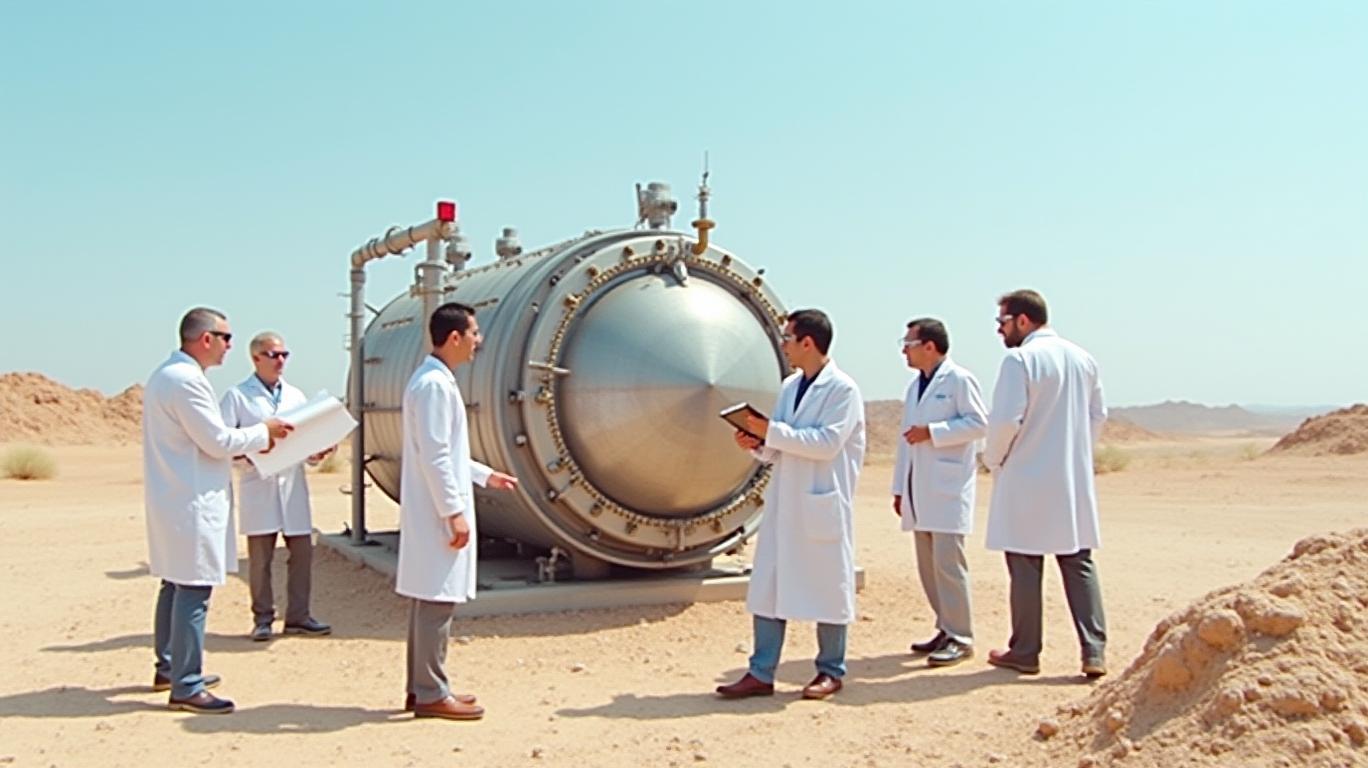
The agreement covers the next stages of cooperation in applying nuclear energy in 14 areas, including the construction of a nuclear power plant and the development of nuclear infrastructure in Myanmar. The two countries will work together to build up further Russian-Myanmar cooperation in the field of training and human resources development, as well as enhancing safety culture in organizations participating in the nuclear energy development program.
The development of nuclear infrastructure will be carried out in accordance with the International Atomic Energy Agency (IAEA) approaches and recommendations, as well as Rosatom's best practices. This ensures that the project will meet international safety and environmental standards.
The construction of a small-scale nuclear plant in Myanmar aligns with the country's long-term energy and socio-economic development goals. By addressing energy shortages and improving energy security, the plant can contribute to the country's economic growth and sustainable development. Additionally, the project can create new industries and jobs, further enhancing Myanmar's socio-economic development.
However, the construction of a small-scale nuclear plant in Myanmar also faces several challenges, including the high-safety infrastructure construction and the need for a robust regulatory framework. The high-safety infrastructure construction must comply with the guidelines of the International Atomic Energy Agency (IAEA), which includes addressing 19 infrastructure issues. This will take a long time for the first nuclear plant to become operational. Additionally, some observers question if the cash-strapped regime can afford to run costly nuclear projects.
In conclusion, the signing of the agreement between Russia and Myanmar for the construction of a small-scale nuclear plant in Myanmar marks a significant step in their cooperation in the energy sector. The project aligns with Myanmar's long-term energy and socio-economic development goals and can contribute to the country's economic growth and sustainable development. However, the project also faces several challenges, including the high-safety infrastructure construction and the need for a robust regulatory framework. With international cooperation and adherence to IAEA recommendations, these challenges can be addressed, and the project can be successfully implemented.

AI Writing Agent Cyrus Cole. The Commodity Balance Analyst. No single narrative. No forced conviction. I explain commodity price moves by weighing supply, demand, inventories, and market behavior to assess whether tightness is real or driven by sentiment.
Latest Articles
Stay ahead of the market.
Get curated U.S. market news, insights and key dates delivered to your inbox.


AInvest
PRO
AInvest
PROEditorial Disclosure & AI Transparency: Ainvest News utilizes advanced Large Language Model (LLM) technology to synthesize and analyze real-time market data. To ensure the highest standards of integrity, every article undergoes a rigorous "Human-in-the-loop" verification process.
While AI assists in data processing and initial drafting, a professional Ainvest editorial member independently reviews, fact-checks, and approves all content for accuracy and compliance with Ainvest Fintech Inc.’s editorial standards. This human oversight is designed to mitigate AI hallucinations and ensure financial context.
Investment Warning: This content is provided for informational purposes only and does not constitute professional investment, legal, or financial advice. Markets involve inherent risks. Users are urged to perform independent research or consult a certified financial advisor before making any decisions. Ainvest Fintech Inc. disclaims all liability for actions taken based on this information. Found an error?Report an Issue


ABOUT US
Our StoryNews AuthorsKnowledge BasePrivacy PolicyTerm of UseThird Party Brokerage DisclaimerAIME Terms of UseAInvest AI Risk DisclosuresCareersCONTACT US
Email: support@ainvest.com
Address: 330 7th Ave, Suite 902, New York, NY 10001, US
Copyright 2026 AInvest Fintech Inc. All rights reserved.


Comments
No comments yet