
Russia Launches Nighttime Missile Attacks on Kyiv, Killing At Least Four
 Aime Summary
- Russia has launched nighttime ballistic missile attacks against Kyiv, resulting in the deaths of at least four individuals and marking a significant intensification of hostilities in the ongoing conflict.
- The escalation follows the complete breakdown of peace negotiations, with Moscow signaling that military force is now the primary tool for achieving war aims as diplomatic channels remain frozen.
- These strikes exploit a critical shortage of US-made Patriot interceptors depleted by other global conflicts, allowing Moscow to target Ukrainian infrastructure and morale before winter.
- Energy markets and defense stocks are reacting to the renewed threat, with Brent crude facing upward pressure and prediction markets pricing in a higher likelihood of Russian advances into eastern Ukrainian cities.
The nighttime strikes represent a deliberate shift in Russian strategy, utilizing high-end strike capabilities against both military and civilian targets in the Ukrainian capital. President Volodymyr Zelenskyy attributed the increased effectiveness of these attacks to a severe shortage of US-made Patriot interceptors, noting that Moscow is capitalizing on this defensive gap to lower morale and cause maximum destruction. The Patriots are currently the only effective defense against high-speed Russian ballistic missiles, but US military supplies have been significantly depleted due to the ongoing US war with Iran. Ukraine is attempting to secure a stockpile of 300 interceptors for the winter, funded by European allies, but the current absence of air defense capability has left Kyiv vulnerable to sustained aerial campaigns. Moscow appears to be exploiting this window of vulnerability to escalate a conflict that is otherwise deadlocked on the frontline, aiming to hurt Ukraine’s economy and spirit before the harsh winter months set in.
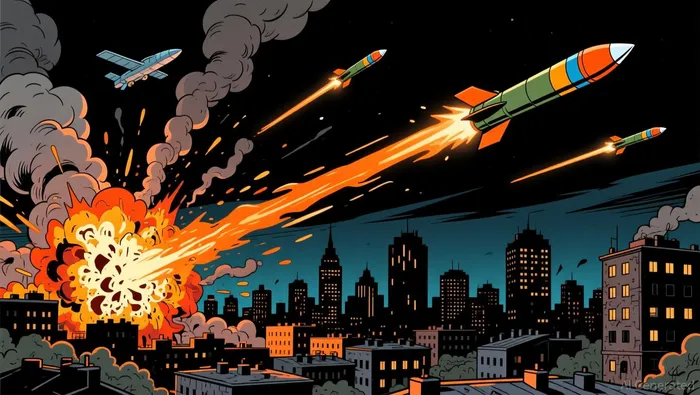
Diplomatic efforts to end the war have effectively collapsed, leaving Russia with few alternatives to further escalation. Kremlin insiders indicate that all existing negotiation frameworks have reached a dead end, driven by Ukraine’s refusal to cede territorial demands and Washington’s confirmation that it does not support Moscow’s objectives. The process was suspended as the US shifted its focus to other geopolitical crises, including the standoff with Iran, leaving a broader negotiating vacuum. Russian President Vladimir Putin has publicly signaled that Ukrainian strikes on Russian economic infrastructure, such as oil refineries, have opened a "Pandora’s box" warranting severe retaliatory blows to Ukraine’s sensitive economic sectors. This strategic shift suggests that diplomacy has failed, leaving military force as the primary mechanism for achieving war aims, with insiders indicating that the current phase of hostilities is not the peak of escalation.
The escalation has immediate implications for financial markets and investor sentiment. Energy markets are reacting to the threat of intensified strikes, with Brent crude facing fresh upward pressure despite recent discounts on Iran-related supply risks. The fresh Russian escalation targeting Ukrainian and potentially NATO-adjacent infrastructure adds independent upward pressure that could quickly reverse recent declines in oil prices. Concurrently, shares of defense companies like Lockheed MartinLMT-- have edged higher, while Ukrainian assets such as Kyivstar Group have declined following the headline. The compounding cycle of mutual air and maritime strikes has heightened systemic risk, with analysts predicting that the conflict will settle into a stalemate that keeps oil prices elevated in the $75-$95 range for the foreseeable future.
Prediction markets are also adjusting to the heightened uncertainty, pricing in a greater likelihood of further Russian military maneuvers. The odds of Russia entering Sloviansk by the end of 2026 currently stand at 22% YES, reflecting increased speculation around ground advances in eastern Ukrainian regions. Market participants are closely monitoring official announcements from Russian or Ukrainian authorities regarding troop deployments and public statements from President Putin. Any developments in international diplomatic efforts or sanctions may impact the likelihood of continued escalations, as participants assess the evolving geopolitical landscape. The current phase of hostilities underscores the delicate balance between immediate aerial threats and the longer-term probabilities of territorial changes, with the absence of a diplomatic framework leaving the battlefield to shape the conditions for any future settlement.
The strategic implications of these nighttime attacks extend beyond the immediate casualty counts and infrastructure damage. Reports suggest that several Russian officials believe Putin may eventually resort to tactical nuclear weapons to prevent a strategic defeat, potentially breaking a global wartime taboo established in 1945. This consideration highlights the extreme stakes involved in the ongoing conflict and the potential for further unpredictable escalation. The Atlantic Council has reported that the Kremlin may be preparing a limited attack on a NATO member to discredit the alliance, viewing Ukrainian strikes as attacks backed by NATO states due to their supply of weapons and intelligence. Such a scenario would dramatically alter the global security architecture and introduce unprecedented risks to international stability. Investors and policymakers must remain vigilant as the conflict enters its fifth year, with high casualties and a compounding cycle of escalation that shows no signs of abating without significant external intervention or a breakthrough in diplomatic channels.

Blending traditional trading wisdom with cutting-edge cryptocurrency insights.
Latest Articles
Stay ahead of the market.
Get curated U.S. market news, insights and key dates delivered to your inbox.


AInvest
PRO
AInvest
PRO




Comments
No comments yet