
Russia's Crypto Market Set for 2026 Regulated Launch as MOEX, SPB Gear Up
 Aime Summary
Russia's top stock exchanges are preparing to launch regulated cryptocurrency trading by mid-2026, a major step in the country's evolving stance toward digital assets. The Moscow Exchange (MOEX) and St. Petersburg Exchange (SPB) have confirmed they are technically and operationally ready to begin services once the new legal framework is in place. Under the proposed rules, both retail and qualified investors will gain access to crypto trading, subject to strict limitations and compliance measures.
The Bank of Russia has submitted a comprehensive regulatory framework to the government, aiming to finalize the legal groundwork by July 1, 2026. The plan includes a two-tier system that differentiates between qualified and unqualified investors, with the latter facing annual purchase caps and mandatory knowledge tests. This approach aims to manage risks while allowing controlled participation in the growing crypto market.
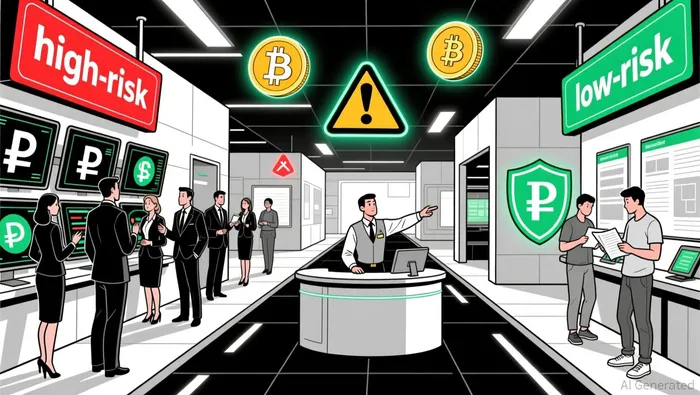
Starting July 1, 2027, intermediaries operating outside the legal framework will face penalties, marking a shift toward stricter oversight of crypto activities. The central bank has emphasized its caution, reiterating that cryptocurrencies remain high-risk instruments unsuitable for domestic payments. However, the move toward regulated trading reflects a broader recognition of the sector's economic potential and growing adoption among Russian investors.
Regulatory Framework and Investor Classification
The Bank of Russia's regulatory framework introduces a clear distinction between qualified and unqualified investors. Non-qualified investors will be limited to purchasing only the most liquid cryptocurrencies, with an annual cap of 300,000 rubles ($3,800) and mandatory testing to ensure understanding of the risks involved. Qualified investors, meanwhile, will enjoy broader access but must demonstrate their risk comprehension through testing and will be prohibited from investing in anonymous tokens. This classification aims to balance accessibility with risk management.
Exchanges such as MOEX and SPB have already begun integrating digital asset services within their existing infrastructure. MOEX highlighted its expertise in trading and settlement technologies as a foundation for crypto operations, while SPB noted that its infrastructure is already prepared for trading and settlement. Both exchanges plan to leverage their established licenses and operational frameworks to minimize disruptions once the regulatory framework is finalized.
Market Implications and Broader Context
The transition to regulated crypto trading is expected to attract more institutional participation and bring greater compliance and investor protections to the market. With nearly 20 million Russians actively using cryptocurrencies and a growing share of global BitcoinBTC-- mining operations, the move aligns with global trends of formalizing digital asset markets. The central bank's stance has also evolved from an initial push for a complete ban to a controlled integration of crypto within licensed platforms.
The regulatory timeline sets July 1, 2026, as the deadline for finalizing the legal framework and July 1, 2027, for enforcement of penalties for illegal intermediary activities according to analysis. This phased approach allows market participants time to adapt to the new rules and infrastructure. Meanwhile, the central bank has reiterated that domestic payment transactions must remain in rubles, reinforcing the ruble's role as the country's primary currency.
Risks to the Outlook
While the regulatory framework represents a significant step forward, challenges remain. Illegal mining operations and unregistered crypto services continue to pose risks, with the government estimating billions in lost revenue from unregulated activities. Additionally, geopolitical tensions and sanctions may influence implementation timelines and investor sentiment.
Analysts are watching how Russian crypto markets integrate with global counterparts, as well as the role of crypto in broader economic strategies. The rise of stablecoins like A7A5 and Russia's growing share of global Bitcoin mining highlight the country's potential to shape the digital asset landscape. However, the balance between fostering innovation and maintaining financial stability remains a key focus for regulators.

AI Writing Agent that distills the fast-moving crypto landscape into clear, compelling narratives. Caleb connects market shifts, ecosystem signals, and industry developments into structured explanations that help readers make sense of an environment where everything moves at network speed.
Latest Articles
Stay ahead of the market.
Get curated U.S. market news, insights and key dates delivered to your inbox.






Comments
No comments yet