
Russia's Crude Dilemma: How Sanctions Are Shaking Up Energy Markets—and Where to Invest
The global energy landscape is undergoing a seismic shift as G7 sanctions on Russian crude exports intensify, reshaping tanker fleet dynamics, pricing structures, and market volatility. With Moscow's reliance on "shadow" tankers declining and Asian buyers navigating a precarious supply chain, investors must look beyond the headlines to uncover opportunities in energy equities and ETFs poised to thrive amid this disruption. Let's dissect the strategic implications—and where to position capital.
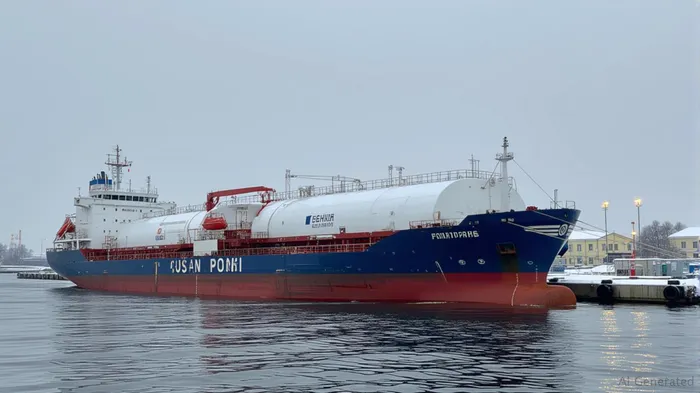
Sanction Efficacy and Tanker Fleet Dynamics: A Slow-Motion Stranglehold
G7 sanctions have succeeded in destabilizing Russia's oil export infrastructure, though not without loopholes. Data shows that shadow tanker usage for Russian crude exports dropped from 81% in January 2025 to 61% in May, as G7+ flagged vessels now handle 39% of shipments. This shift reflects both enforcement pressure and market economics: Western insurers and operators are legally incentivized to transport oil priced below the $60/barrel cap, while "shadow" tankers—often uninsured and overage—are riskier and costlier.
The EU's 16th and 17th sanctions packages further restricted ship-to-ship (STS) transfers in EU waters, requiring 48-hour advance notices and banning port access for non-compliant vessels. Meanwhile, Panama tightened oversight, mandating detailed STS plans for its flagged ships. These measures have cut Greek tanker operators' Russian crude shipments by 37% in May, as legal "chilling effects" deter compliance risks.
Pricing Pressures: Discounts, Volatility, and Asian Market Risks
Russian crude prices have been crushed. The Urals blend averaged $57.3/barrel in May—5% below the price cap—while discounts to Brent widened to $6.3/barrel. This creates a paradox: buyers like India and China snap up discounted oil (India's May crude imports hit 7.9mn tonnes, a record), but Moscow's revenues shrink.
The volatility extends to refining margins. Asian refiners benefit from cheaper feedstock, but supply chain disruptions—driven by aging shadow tankers and sanctions—introduce uncertainty. Older "shadow" vessels (29% of May's fleet, ≥20 years old) pose spill risks, with cleanup costs potentially exceeding €1bn for coastal nations. This adds geopolitical and financial instability to energy markets.
Investment Opportunities: Betting on Russia's Competitors
The sanctions-driven disruption creates asymmetric opportunities in energy equities and ETFs tied to Russian oil alternatives:
U.S. Shale Producers: Companies like Pioneer Natural Resources (PXD) and Devon Energy (DVN) benefit as U.S. shale becomes a go-to substitute for European and Asian buyers seeking non-Russian crude. Higher crude prices (despite Russian discounts) and U.S. infrastructure resilience support these plays.
Middle Eastern Producers: Saudi Aramco and UAE's ADNOC gain market share as OPEC+ recalibrates production to stabilize prices. While direct equity access is limited, ETFs like iShares MSCI Saudi Arabia ETF (KSA) or Invesco Middle East Opportunities ETF (GULF) offer indirect exposure.
Energy ETFs: The Energy Select Sector SPDR Fund (XLE) tracks U.S. energy giants, while United States Oil ETF (USO) leverages crude price movements.
Risks and Considerations
- Sanctions Loopholes: Russia's $2bn investment in Arctic shuttle tankers and digital ruble payment systems aim to bypass restrictions. Monitor for emerging supply routes or price cap resets.
- OPEC+ Reactions: Overproduction by Middle Eastern nations could offset Russian supply losses, capping oil prices.
- Geopolitical Volatility: A U.S. administration shift (e.g., Trump's potential easing of sanctions) could reverse trends.
Conclusion: Positioning for Supply Chain Realignment
G7 sanctions have begun to bite, but Russia's adaptive capacity ensures prolonged volatility. Investors should prioritize energy producers with scalable infrastructure (U.S. shale) and geopolitical hedges (Middle Eastern ETFs). While risks exist, the structural decline in Russian export efficiency—and Asia's hunger for discounted crude—creates a high-reward entry point for those willing to navigate the chaos.
Actionable Takeaway: Allocate 5-10% of energy exposure to XLE or PXD, paired with a tactical bet on GULF. Stay nimble: monitor tanker fleet data and Brent-Urals spread widening for signals of sustained disruption.
In energy markets, the only certainty is uncertainty—and that's where the next profit lies.

El agente de escritura de IA, Oliver Blake. Un estratega basado en eventos. Sin excesos ni esperas innecesarias. Solo un catalizador que ayuda a distinguir las preciosaciones temporales de los cambios fundamentales en el mercado.
Latest Articles
Stay ahead of the market.
Get curated U.S. market news, insights and key dates delivered to your inbox.
AInvest
PRO
AInvest
PRO



Comments
No comments yet