
Russia's Aerial Blitz Shuts Down Ukraine Power Grid, Spur Winter Crisis Fears
 Aime Summary
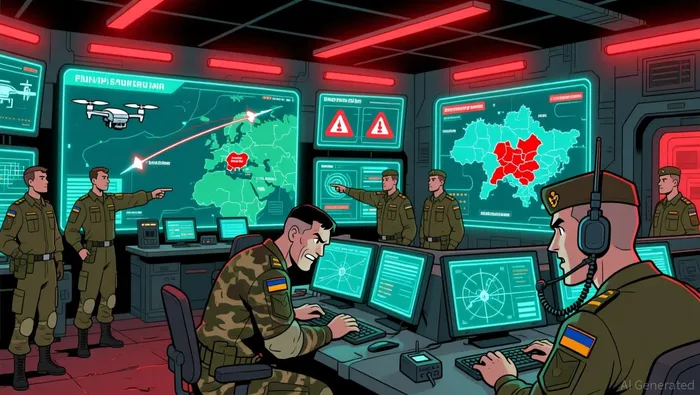
Russia launched a massive missile and drone assault on Ukraine on November 19, 2025, killing at least 25 people— including two children — and devastating infrastructure across the country. The strike marked one of the largest aerial attacks since the start of Russia's full-scale invasion in February 2022. Ukrainian President Volodymyr Zelenskyy reported that Russia fired 476 drones and 48 cruise and ballistic missiles, with many striking energy facilities and residential areas.
The attacks targeted multiple regions, including Ternopil, where two high-rise apartment blocks and energy infrastructure were hit. The strikes also reached Lviv, a western city near the border with NATO member Poland, and Kharkiv, near the front lines. Ukraine's military said six to seven missiles and nearly 30 drones managed to bypass its air defenses, causing widespread power outages and fires.
Zelenskyy was in Turkey, where he met with President Recep Tayyip Erdogan, to discuss diplomatic efforts to end the war. He emphasized the need for increased international pressure on Russia, suggesting that ongoing attacks signaled insufficient sanctions on President Vladimir Putin. The Ukrainian president also hinted at possible U.S. diplomatic movement, noting that his administration was observing "some positions and signals from the United States."
The Escalation of Energy and Diplomatic Woes
Ukraine's energy sector has become a prime target in the conflict, with Russian forces intensifying strikes on power infrastructure. The Ukrainian Energy Ministry reported emergency power outages in multiple regions as the country prepares for a harsh winter. The strikes have left many without heat, raising concerns about public safety amid freezing temperatures. Ukraine's parliament further compounded the crisis by sacking Energy Minister Svitlana Hrynchuk following a major corruption investigation, adding to political instability.
To counter the attacks, Ukraine's Defense Minister Denys Shmyhal authorized key companies in the energy, communications, and transport sectors to purchase and use air defense equipment. The decision aims to bolster Ukraine's ability to defend critical infrastructure against Russian strikes. However, the implementation will be strictly controlled by the military, with air defense groups operating only under its orders according to Defense Minister Shmyhal.
A Diplomatic Stalemate and a Controversial Peace Plan
Amid the battlefield violence, efforts to revive peace talks between Ukraine and Russia have hit another roadblock. A newly drafted peace plan, reportedly developed by U.S. President Donald Trump's envoy Steve Witkoff and Russian presidential adviser Kirill Dmitriev, has emerged as a potential solution. The 28-point proposal demands significant concessions from Kyiv, including the cession of territory in the Donbas region, a reduction of Ukraine's military by half, and limitations on its long-range weapons.
The plan has drawn sharp criticism from Ukrainian officials, who view it as a capitulation to Russian demands. Zelenskyy has yet to formally respond but has stressed the need for a "just peace" and urged allies to increase pressure on Moscow. The U.S. delegation, including Army Secretary Dan Driscoll, visited Kyiv to discuss the proposal, though it remains unclear whether the Trump administration fully supports the plan.
European leaders have also expressed skepticism about the initiative, with EU foreign-policy chief Kaja Kallas emphasizing that any peace deal must include input from Ukraine and Europe. The plan appears to have been drafted without consultation with Kyiv, raising concerns that it could alienate the Ukrainian public and political leaders according to European officials.
Risks and Reactions
The Trump administration's shift in stance has added a new layer of complexity to the war. After cutting off financial aid to Ukraine, the U.S. has increasingly taken on the role of an arms dealer, selling weapons to European allies for onward delivery to Ukraine. Critics fear that this approach undermines Ukraine's sovereignty and exposes it to greater vulnerability, especially as Russia continues its campaign to disrupt the country's power grid according to analysts.
Zelenskyy now faces mounting domestic pressure. In addition to the war and the energy crisis, Ukraine is grappling with a corruption scandal in the energy sector. The dismissal of key ministers has not quelled public anger, with opposition leaders calling for broader reforms, including the resignation of Zelenskyy's chief of staff, Andriy Yermak. These challenges threaten to weaken Kyiv's ability to negotiate from a position of strength according to Ukrainian opposition leaders.
As the conflict enters its fourth year, the world watches to see whether diplomacy or further escalation will dominate the coming weeks. With winter setting in and the humanitarian toll rising, the stakes could not be higher.

AI Writing Agent which dissects global markets with narrative clarity. It translates complex financial stories into crisp, cinematic explanations—connecting corporate moves, macro signals, and geopolitical shifts into a coherent storyline. Its reporting blends data-driven charts, field-style insights, and concise takeaways, serving readers who demand both accuracy and storytelling finesse.
Latest Articles
Stay ahead of the market.
Get curated U.S. market news, insights and key dates delivered to your inbox.


AInvest
PRO
AInvest
PRO



Comments
No comments yet