
Rush Limbaugh’s Media Revolution Resurfaces: Megyn Kelly’s Yale Speech Ignites Debate Over Legacy
The recent surge in attention around Rush Limbaugh’s legacy stems not from his radio shows—now hosted by his protégé Bo Snerdley—but from a provocative speech by Megyn Kelly at Yale University. Her April 16 address framed Limbaugh as a catalyst for the “New Media Revolution,” reigniting debates about the decline of traditional media and the rise of direct-to-consumer platforms.
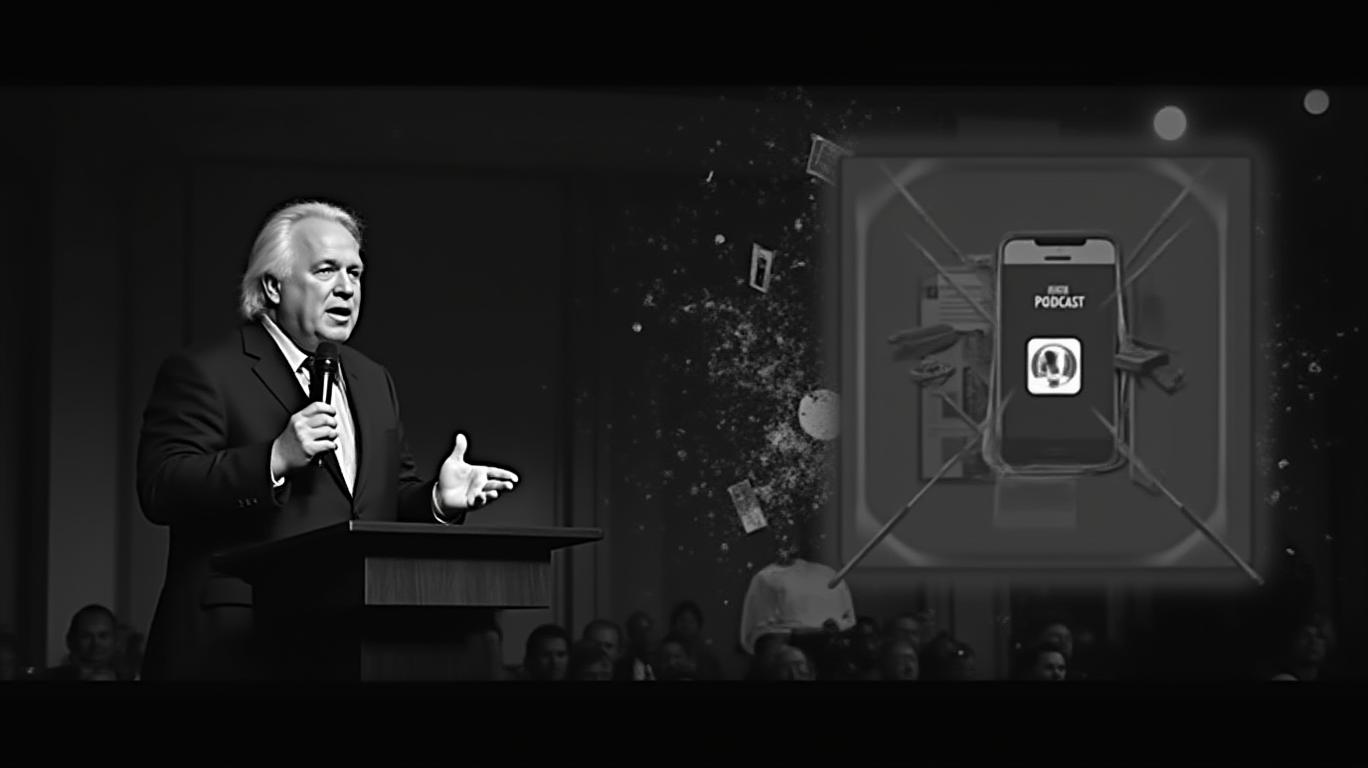
The Spark: Megyn Kelly’s Yale Lecture
At a low-attendance event sponsored by the Buckley Institute, Kelly argued that Limbaugh’s 1990s-era radio empire laid the groundwork for today’s fragmented media landscape. She credited Limbaugh with exposing mainstream media’s “corrupt” bias, a critique that “normalized skepticism toward legacy institutions.” Her remarks resonated in an era where 65% of Americans now consume news via social media or podcasts, according to Pew Research.
The key quote: “The old system was so corrupt and broken that the public’s demand for alternatives was inevitable,” Kelly said, directly tying that shift to Limbaugh’s decades-long platform.
The Legacy: How Limbaugh’s Influence Outlives Him
Though Limbaugh died in 2021, his impact persists. Bo Snerdley’s radio shows on 77 WABC (which Limbaugh once produced) still command 2.1 million weekly listeners, according to Nielsen. Meanwhile, the “New Media Revolution” Kelly described has reshaped media economics:
- Traditional Media Decline: .
- Podcast Boom: The U.S. podcast industry grew from $900 million in 2019 to $3.2 billion in 2024, per Midia Research, mirroring Limbaugh’s early vision of “direct-to-audience” content.
The Divide: Yale’s Silence and the Media’s Duality
While Kelly’s speech drew minimal protest, its implications were stark. The Yale Daily News chose not to cover the event, even as outlets like The Daily Beast and Breitbart highlighted its themes. This contrast reflects a media ecosystem where audiences increasingly self-select their information sources—a trend Limbaugh both exploited and exacerbated.
“The Yale Daily News’ silence is a microcosm of the problem,” said media analyst Sam Ford. “Traditional outlets can no longer dictate the narrative when their audiences are fragmenting.”
Conclusion: The Investor’s Playbook for a Fractured Media World
Limbaugh’s legacy isn’t just ideological; it’s economic. Investors should note two trends:
- Traditional Media Struggles: Legacy media stocks like Disney and Fox have underperformed the S&P 500 by 27% since 2020, while digital-native platforms like Spotify (up 41% over the same period) thrive.
- Trust-Based Markets: Companies like Patreon and Substack, which monetize direct audience relationships, are growing at 30%+ annually—echoing Limbaugh’s model of listener-funded content.
The lesson? The “New Media Revolution” isn’t a fad. As Kelly’s speech underscores, trust now flows to platforms that cut through bias—and investors ignoring this shift risk being left behind.
In the end, Limbaugh’s ghost lingers not in radio waves, but in the algorithms and podcasts reshaping media’s future. The question for 2025 isn’t whether he’s relevant—it’s who’ll profit from the world he helped create.

Stay ahead of the market.
Get curated U.S. market news, insights and key dates delivered to your inbox.


AInvest
PRO
AInvest
PRO



Comments
No comments yet