
The ruling on Google's online search monopoly case is out: no need to divest Chrome and Android systems
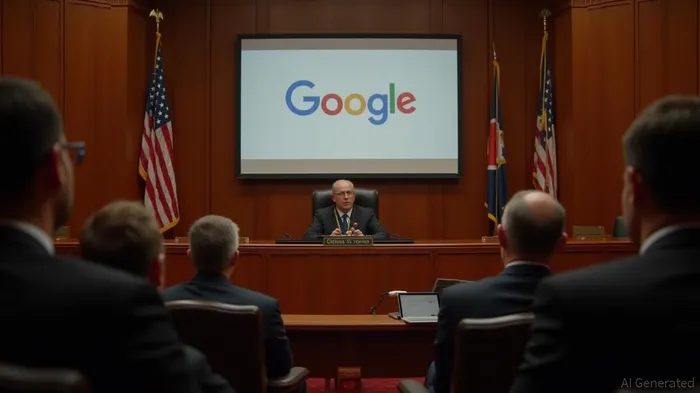
A judge in Washington, D.C., ruled on Tuesday that Alphabet's Google (GOOGL.O) must share data with competitors and open up the online search market to competition, while dismissing prosecutors' request for Google to sell its Chrome browser. Additionally, Google is not required to divest its Android operating system. Furthermore, Google plans to go to trial in September to address another lawsuit brought by the U.S. Department of Justice, in which a judge has ruled that Google holds an illegal monopoly in the field of online advertising technology, and remedial measures will be decided at that time. The two lawsuits brought by the U.S. Department of Justice against Google are part of a broader crackdown launched by both political parties in the United States against large technology companies, which began during President Trump's first term and involved Meta Platforms, Amazon, and Apple. After the ruling was announced, Google's stock rose 6% in after-hours trading, while Apple's rose 4%.
A federal judge in Washington, D.C., ruled on Tuesday that Alphabet's Google (GOOGL.O) will not be required to sell its Chrome browser as part of remedies in the Justice Department's antitrust case. U.S. District Judge Amit Mehta's decision allows Google to avoid one of the most severe potential penalties following the court's earlier finding that the company maintained an illegal monopoly in the search market [1].While Google will be barred from entering into exclusive contracts for internet search, the ruling spares the tech giant from divesting key assets. The decision also determined that Google will not have to sell off its Android operating system, representing another significant victory for the company [3].
The judge ruled that Google will not be required to cease payments to Apple and other companies for preloading Google products. However, the company must share certain information with competitors as a remedy for its online search monopoly. This less severe outcome than what government prosecutors had sought appears to have relieved investors [3].
The ruling comes as part of a broader crackdown by the U.S. on large technology companies, which began during President Trump's first term and includes cases against Meta Platforms, Amazon, and Apple. Google's stock rose 6% in after-hours trading following the ruling, while Apple's shares rose 4% [1, 2].
Google plans to go to trial in September to address another lawsuit brought by the U.S. Department of Justice, in which a judge has ruled that Google holds an illegal monopoly in the field of online advertising technology. Remedial measures will be decided at that time [2].
References:
[1] https://www.cnbc.com/2025/09/02/google-antitrust-search-ruling.html
[2] https://finance.yahoo.com/news/us-judge-orders-google-share-202024694.html
[3] https://www.streetinsider.com/General+News/Alphabet+stock+rises+after+judge+rules+Google+can+keep+Chrome+browser/25285663.html
Stay ahead of the market.
Get curated U.S. market news, insights and key dates delivered to your inbox.






Comments
No comments yet