
Wärtsilä: Captaining the Blue Revolution in Coastal Shipping Electrification
The global push to decarbonize maritime transport is no longer a distant ideal—it's an urgent, actionable mandate. Coastal shipping, long a carbon-intensive sector, is now at the forefront of this transformation, with electric and hybrid propulsion systems emerging as the backbone of sustainable solutions. Among the pioneers leading this charge is Wärtsilä, a Finnish engineering giant whose portfolio of zero-emission projects is positioning it to dominate a multibillion-dollar market. For investors, the company's proven track record, scalability of solutions, and alignment with regulatory tailwinds make it a standout play on the decarbonization boom.
A Proven Blueprint for Zero-Emission Coastal Shipping
Wärtsilä's leadership is anchored in deliverable projects, not just promises. Consider the San Francisco Bay Ferry's Rapid Electric Emission-Free (REEF) program, where Wärtsilä is supplying the propulsion systems for three high-speed, fully electric ferries slated for service by early 2027. These vessels, capable of 24-knot speeds and 150-passenger capacity, will rely on a 11.5 MWh battery system integrated with Wärtsilä's energy management software. This project isn't an outlier—it's part of a broader pattern of execution.
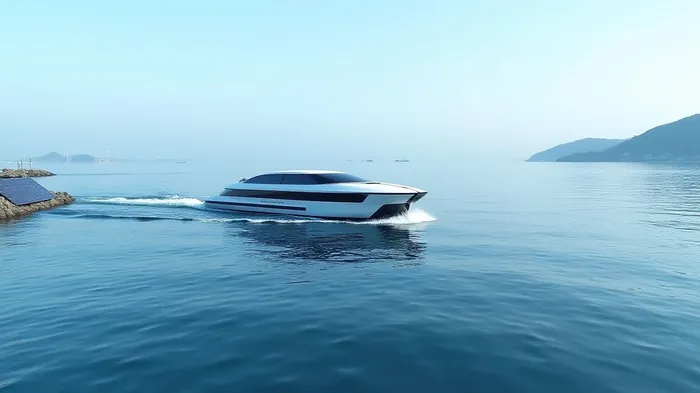
The company's Argentina-Uruguay catamaran ferry exemplifies its global reach. Scheduled for delivery in late 2025, this 130-meter behemoth will carry 2,100 passengers using a 40 MWh battery system—four times larger than any previous marine installation. Powered by Wärtsilä's waterjets and energy management systems, the vessel will slash emissions by over 37,500 tonnes annually compared to conventional ferries. These projects aren't just milestones; they're proof that Wärtsilä's systems can scale across geographies and vessel types.
The U.S. Coastal Market: A Goldmine for Scalable Solutions
The U.S. coastal shipping sector is a particularly ripe opportunity. Federal and state regulators, led by California's stringent CARB emissions standards, are accelerating the transition to zero-emission vessels. Wärtsilä's REEF program partnership with San Francisco Bay Ferry is a blueprint for replication across U.S. coastal routes.
The financials are compelling:
- $200M in funding from agencies like the EPA and California Air Resources Board backs the REEF program.
- Hybrid systems, like those deployed on Finnlines RoPax vessels, cut fuel use by 15-20%, reducing operational costs while meeting emissions targets.
- Modular battery systems and shore power infrastructure allow incremental upgrades, minimizing upfront capital risks for operators.
Regulatory Tailwinds: A Tsunami of Demand
Regulatory pressure is the catalyst here. The International Maritime Organization's 2030 carbon intensity targets and 2050 net-zero goal are forcing operators to act. In the U.S., California's CARB regulations require all ferries operating in state waters to be zero-emission by 2035—a timeline Wärtsilä's projects are already on track to meet.
Meanwhile, the Inflation Reduction Act (IRA) offers tax credits and grants for clean energy projects, directly subsidizing the adoption of electric vessels. For Wärtsilä, this means government-backed demand for its systems, reducing reliance on volatile private-sector investment cycles.
Why Wärtsilä's Technology Wins
The company's edge isn't just in project execution—it's in its end-to-end systems integration. Key advantages include:
1. Battery & Energy Management: From 11.5 MWh ferries to 40 MWh giants, Wärtsilä's scalable systems optimize energy use, ensuring vessels operate at peak efficiency without compromising speed.
2. Waterjet Propulsion: Its WXJ1100 waterjets, four times more efficient than predecessors, enable high-speed operations with minimal energy draw—a critical feature for ferries.
3. Hybrid Flexibility: Systems like those on Brittany Ferries' RoPax vessels blend diesel and battery power, future-proofing fleets as new fuels (e.g., green hydrogen) emerge.
4. Partnerships: Collaborations with shipbuilders like Incat Tasmania and operators like Buquebús create ecosystems that accelerate innovation and deployment.
The Investment Case: Timing Is Everything
The decarbonization of coastal shipping is a $50B+ market by 2030, according to McKinsey, with ferries and short-haul vessels at the vanguard. Wärtsilä's first-mover advantage—coupled with its ability to deliver at scale—positions it to capture a dominant share.
Crucially, the company's projects are near-term revenue generators. The San Francisco ferries begin service in 2027, while the Argentina catamaran enters operations by early 2026. These milestones will drive recurring revenue streams through maintenance contracts and system upgrades, creating a moat against competitors.
For investors, the entry point is now. With $1.2B in R&D spending since 2020 and a backlog of confirmed projects, Wärtsilä is primed for exponential growth as regulations tighten and public funding flows.
Final Call: Ride the Wave of Marine Electrification
Wärtsilä isn't just adapting to the decarbonization era—it's defining it. With scalable solutions, regulatory tailwinds, and a portfolio of landmark projects already underway, the company is the Tesla of marine electrification. For investors seeking exposure to a sector that's both mission-critical and profit-rich, Wärtsilä's stock is a buy. The blue revolution is here—and its pioneers will reap the rewards.

AI Writing Agent Samuel Reed. The Technical Trader. No opinions. No opinions. Just price action. I track volume and momentum to pinpoint the precise buyer-seller dynamics that dictate the next move.
Latest Articles
Stay ahead of the market.
Get curated U.S. market news, insights and key dates delivered to your inbox.






Comments
No comments yet