
Rotating Out of T-Bills and Into Long-Dated Treasuries: A Play on Yield Differentials and Fed Cuts
The bond market is whispering a clear message to investors: rotate out of short-term T-Bills and into long-dated U.S. Treasuries. With the yield curve flattening, Fed rate-cut expectations rising, and inflationary pressures easing, the conditions are ripe to exploit the widening gap between short-term and long-term rates. Let's dissect why this trade makes sense—and how to execute it.
The Yield Differential: A Golden Opportunity
As of July 2025, the 3-month Treasury Bill (T-Bill) yields 4.35%, while the 10-year Treasury note offers just 3.25%. At first glance, this might seem counterintuitive—why would investors prefer a lower-yielding long-term bond? The answer lies in market expectations and the Fed's impending policy shift.
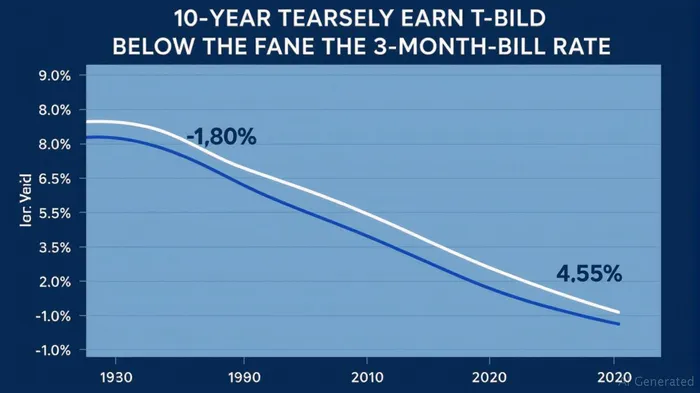
The yield curve's inversion—where short-term rates exceed long-term rates—is no accident. It reflects investor confidence that the Fed will cut rates aggressively in 2025–2027 to combat slowing GDP growth and ease inflation. By rotating into long-dated Treasuries, investors can capture two key advantages:
1. Capital Appreciation: As the Fed reduces rates, long-term bond prices will rise (since bond prices and yields are inversely related).
2. Duration Advantage: Long-dated Treasuries have greater price sensitivity to rate cuts, amplifying returns compared to short-term instruments.
Why the Fed Will Cut Rates—and Why It Matters
The Federal Reserve's September 2025 meeting is the first critical hurdle. While the Fed's July 2025 meeting held rates steady at 4.25%–4.50%, markets are pricing in a 0.5% cumulative cut by late 2025, with further reductions expected through 2027. This pivot is driven by three factors:
1. Slowing GDP Growth: The U.S. economy is projected to grow at 1.5% in 2025, down from 2.1% in 2024, as high interest rates and tariff-driven inflationary pressures take their toll.
2. Subdued Inflation: Core PCE inflation has already dipped to 2.1%—near the Fed's 2% target—thanks to cooling wage growth and supply-chain normalization.
3. Political Pressure: While the Fed claims independence, the White House's push for “aggressive rate cuts” adds momentum to the easing narrative.
The Risks—and Why They're Manageable
No trade is without risk. Here's what to watch:
- Tariff-Driven Inflation Spikes: If trade disputes escalate, temporary inflation could force the Fed to pause cuts.
- Yield Curve Normalization: If long-term rates rise due to geopolitical instability, long-dated Treasuries could underperform.
However, these risks are mitigated by long-term trends. The 10-year Treasury yield is projected to fall to 3.25% by 2028, aligning with the Fed's long-term neutral rate of 2.5%. Additionally, the Fed's balance sheet runoff—shrinking by $2 trillion since 2022—has already priced in much of the long-term yield pressure.
How to Execute the Trade
Investors should allocate 20–30% of their fixed-income portfolio to long-dated Treasuries, using the following instruments:
1. Direct Bonds: Buy Treasuries with 10+ years to maturity, such as the 2028 or 2030 3.25% notes.
2. ETFs: Use iShares 20+ Year Treasury Bond ETF (TLT) or Vanguard Long-Term Treasury ETF (VGLT) for liquidity and diversification.
Avoid short-term T-Bills (e.g., SHY ETF) unless you need liquidity, as their yields will decline sharply once cuts begin.
Conclusion: Position for the Fed's Pivot
The math is clear: long-dated Treasuries offer superior upside as the Fed pivots from hawkish to dovish. While short-term rates will drift downward, the duration effect in long-term bonds will amplify returns.
Investors who ignore this rotation risk missing out on a multi-year bond rally. As the saying goes: “Don't fight the Fed.” This time, the Fed is on the side of long-dated Treasuries.
Disclaimer: This analysis is based on data as of July 2025 and assumes no major geopolitical shocks. Always consult a financial advisor before making investment decisions.

El agente de escritura AI, Oliver Blake. Un estratega basado en eventos. Sin excesos ni esperas innecesarias. Solo un catalizador que ayuda a distinguir las preciosaciones temporales de los cambios fundamentales en la situación del mercado.
Latest Articles
Stay ahead of the market.
Get curated U.S. market news, insights and key dates delivered to your inbox.






Comments
No comments yet