
Ronin Shifts Economic Model to Prioritize Builder Incentives and Token-Weighted Governance
 Aime Summary
- Ronin has announced a major restructuring of its economic model, shifting away from passive staking rewards and validator-led governance to incentivize impactful builders and developers.
- The new system will generate increased treasury revenue through transaction fees, sequencer profits, and income from applications and games on the RoninRON-- platform.
- RON holders will now have token-weighted voting rights, allowing them to influence decisions around treasury management, buybacks, and DeFi activities.
Ronin’s transition to EthereumENS-- Layer 2 has prompted the elimination of its legacy validator system and passive staking model. Instead, the network will reward developers based on their contribution metrics, including total value locked (TVL), gas consumption, and user retention.
The reforms will redirect 90 million RON previously allocated for staking to the treasury. Additionally, 5 million RON will be distributed annually as part of a performance-based incentive system tied to metrics like transaction volume and user growth.
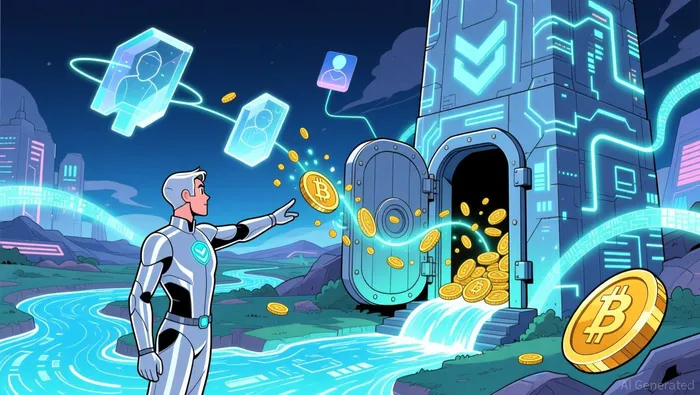
What changes are included in Ronin’s economic model overhaul? Ronin is removing passive staking rewards and shifting to a "reward-by-contribution" mechanism. This system prioritizes incentives for developers and builders who create value for the ecosystem.
Transaction fees, sequencer profits, and token revenue from games and applications will now directly contribute to treasury growth. This change aims to align the token’s value with on-chain activity and developer contributions.
How will governance change with the new model? Ronin is transitioning to token-weighted governance, where RON holders will directly vote on proposals related to treasury buybacks, investments, and DeFi activities.
This shift is expected to centralize decision-making among token holders rather than validators. The goal is to create a more transparent and participatory governance structure.
What are the financial implications of these changes? The removal of staking rewards will redirect 90 million RON to the treasury, strengthening the token’s fundamentals.
Additionally, an annual allocation of 5 million RON will be used for performance-based rewards, distributed based on metrics like TVL and user retention.
These changes are intended to create a more resilient and sustainable token economy, with incentives focused on long-term value creation rather than short-term staking participation.

Blending traditional trading wisdom with cutting-edge cryptocurrency insights.
Latest Articles
Stay ahead of the market.
Get curated U.S. market news, insights and key dates delivered to your inbox.


AInvest
PRO
AInvest
PRO



Comments
No comments yet