
Ronin Shifts Economic Model to Prioritize Builder Incentives
 Aime Summary
Ronin is shifting its economic model from passive staking rewards to a contribution-based incentive system according to AInvest. The new model eliminates validator-led governance and redirects 90M RONRON-- from staking to the treasury as reported. RON holders will gain token-weighted voting rights on treasury buybacks, investments, and DeFi initiatives according to the update.
Ronin is transitioning from a passive staking-based model to one that rewards developers and builders based on their contributions to the ecosystem. This change is designed to prevent token oversaturation and align incentives with measurable value creation.
The new system removes validator-led governance and shifts 90M RON from staking to the treasury. This move is intended to strengthen the network's financial resilience by redirecting funds to support transaction fees, sequencer profits, and application and game-based income. Developers will now be incentivized based on metrics such as total value locked (TVL), user retention, and NFT trading volumes.
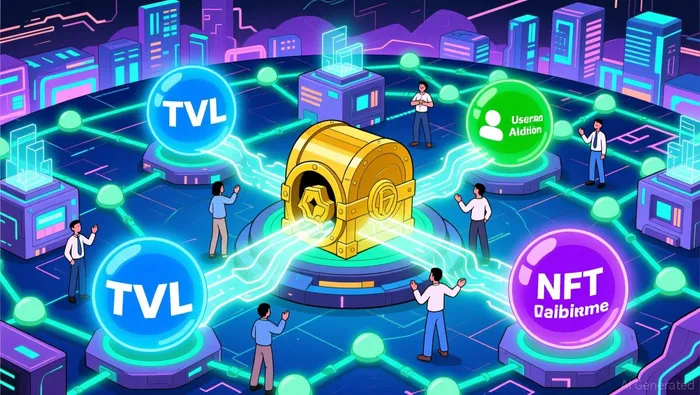
Treasury revenue will now derive from transaction fees, sequencer profits, and income from applications and games as detailed. An annual allocation of 5M RON will be distributed based on metrics such as TVL, user retention, and NFT trading volumes according to the announcement.
What is the impact of the new economic model on RON holders?
RON holders will now have token-weighted voting rights on key proposals related to treasury management and DeFi initiatives as reported. This change aims to decentralize control and align token holders with the long-term development of the network according to AInvest.
The new model also redistributes 5M RON annually based on performance metrics tied to on-chain activity as stated. This is intended to ensure that contributors who generate real value for the ecosystem are rewarded.
What are the potential risks and challenges with the new model?
One of the main risks is the challenge of attracting contributors if the incentives are not competitive enough according to analysis. The model also introduces potential resistance from stakeholders who previously relied on staking rewards as noted.
The transition also requires careful calibration to ensure that the incentives are sustainable and aligned with the network's long-term goals according to experts. If not properly managed, the model could face adoption issues or become vulnerable to exploitation.
How does this model align with broader trends in the crypto ecosystem?
This model reflects broader trends in the crypto industry where passive staking is being replaced by contribution-based incentives according to industry reports. This is intended to create a more sustainable and decentralized ecosystem by aligning incentives with long-term value creation as observed.
The focus on contribution metrics such as TVL and user retention also aligns with the growing emphasis on real-world utility and measurable impact in the DeFi space according to analysis. This shift is expected to encourage innovation and value creation in the RoninRON-- ecosystem.

Blending traditional trading wisdom with cutting-edge cryptocurrency insights.
Latest Articles
Stay ahead of the market.
Get curated U.S. market news, insights and key dates delivered to your inbox.


AInvest
PRO
AInvest
PRO



Comments
No comments yet