
Ronin Introduces Security Upgrades and Axie Infinity Restructures Tokenomics
 Aime Summary
Pixiland: Age of Heroes is shifting from a Web3 to a Web2 model, converting tokens and NFTs into in-game currency and off-chain collectibles.
Axie Infinity introduced bAXS, a gameplay-earned token aimed at reducing bot farming and stabilizing the in-game economy.
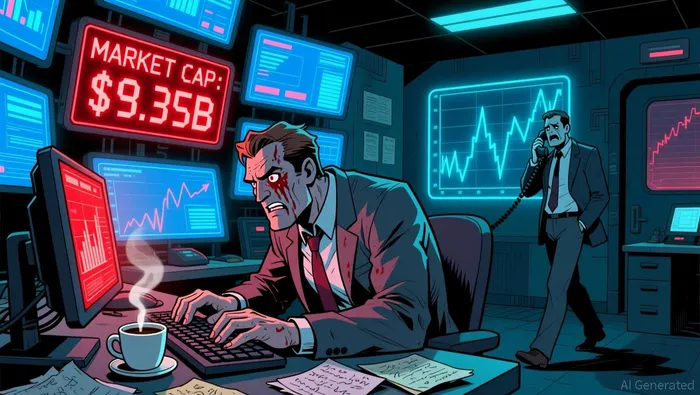
The broader GameFi market has seen a 2% decline in market cap to $9.35 billion, indicating challenges for Web3-based projects.
Pixiland: Age of Heroes, a strategy game built on the RoninRON-- Network, announced plans to transition from a Web3 to a Web2 model. This move includes pausing crypto payments, NFT minting, and token rewards, reflecting challenges in the market and regulatory environment.
The decision by Pixiland aligns with broader industry trends as blockchain gaming projects reevaluate their reliance on Web3 technologies. The Web3 dashboard is scheduled to shut down by March 1, with existing wPixi tokens being converted into in-game currency.
Axie Infinity has launched bAXS as part of its tokenomics restructuring. This new token is gameplay-earned and account-bound, designed to reduce speculative trading and incentivize long-term player engagement. The success of this initiative depends on adoption rates and its ability to stabilize the in-game economy while encouraging sustainable growth.
Why Is the Shift to Web2 Significant?
The transition by Pixiland from Web3 to Web2 highlights growing concerns about regulatory uncertainty and market volatility in the blockchain gaming sector. By converting tokens and NFTs into in-game currency and off-chain collectibles, the project is adapting to the current economic and regulatory landscape.
This shift also reflects a broader industry trend, as other Web3-based gaming projects face similar challenges. The decision to move away from Web3 features is a strategic response to limit exposure to market and regulatory risks.
What Impact Could bAXS Have on Axie Infinity's Economy?
The introduction of bAXS is a significant step in stabilizing Axie Infinity's in-game economy. By reducing bot farming and speculative trading, the token aims to promote organic user participation and long-term engagement.
The account-bound nature of bAXS ensures that it is tied to user gameplay, reducing sell pressure and encouraging sustainable growth. This approach contrasts with previous token models that relied heavily on SLPSLP-- emissions.
However, the success of bAXS will depend on its adoption rate and the broader market's response. AXS has experienced significant price swings since the launch of bAXS, indicating mixed investor sentiment and short-term volatility.
What Do These Moves Mean for the Web3 Gaming Industry?
The actions taken by Pixiland and Axie InfinityAXS-- represent a broader industry shift as blockchain gaming projects reevaluate their reliance on Web3 technologies. These moves are driven by the need to navigate a challenging market environment and address regulatory concerns.
Both projects are responding to a declining market cap for the GameFi sector, which has dropped to $9.35 billion. This decline underscores the difficulties faced by Web3-based projects and the need for strategic adaptations to ensure long-term viability.
Despite these challenges, the introduction of bAXS and the transition by Pixiland highlight ongoing efforts to innovate and stabilize in-game economies. These developments will likely influence future strategies in the Web3 gaming space.

Blending traditional trading wisdom with cutting-edge cryptocurrency insights.
Latest Articles
Stay ahead of the market.
Get curated U.S. market news, insights and key dates delivered to your inbox.


AInvest
PRO
AInvest
PRO



Comments
No comments yet