
Ronald Wayne's 10% Apple Stake Sold for $800 Now Worth $300 Billion
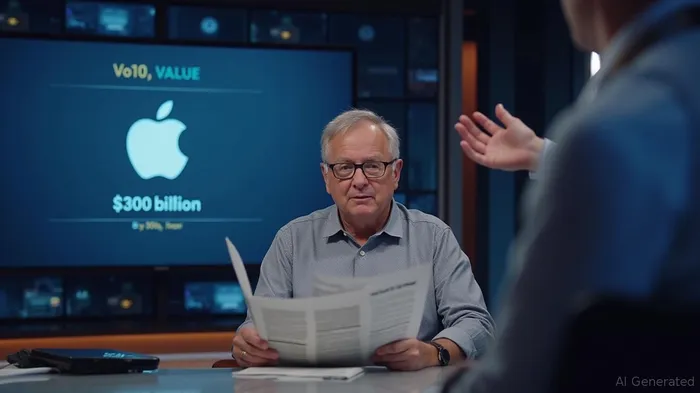
In 1976, Ronald Wayne, the lesser-known third cofounder of AppleAAPL--, sold his 10% stake in the company for $800, a decision that would later be seen as one of the most significant missed financial opportunities in history. Today, that 10% stake would be worth up to $300 billion, given Apple's current market capitalization of $3 trillion. Wayne's story serves as a poignant reminder of the unpredictable nature of early-stage investments and the potential consequences of decisions made in the nascent stages of a company's journey.
Wayne, then in his 40s, was working at Atari when he agreed to help Steve Jobs convince Steve Wozniak to formalize Apple's launch. As a close friend of Jobs, Wayne played a critical role in the company's early days, even typing up the contract that formalized the partnership. For his efforts, he was awarded a 10% share in the tech company, while Jobs and Wozniak each received a 45% stake. However, less than two weeks after the contract was signed, Wayne decided to cash out, selling his stake for $800 and later receiving $1,500 to forfeit any claim to the company.
Wayne's decision to sell his stake was driven by a combination of financial and personal considerations. At the time, Jobs had borrowed $15,000 to complete a purchase order for computers from The Byte Shop, a retail outlet with a history of not paying its bills. Wayne, who had a house, a car, and a bank account, felt that he would be on the hook if the venture failed. Additionally, Wayne feared that staying with Apple would stifle his career prospects, as he believed he would be overshadowed by the younger and more dynamic Jobs and Wozniak. He later recalled that he would have ended up "the richest man in the cemetery" if he had stayed with Apple.
Wayne's decision to cash out highlights the challenges and uncertainties that early-stage investors and founders face. As new investors came on board and the company went public, the ownership stakes of Jobs and Wozniak were diluted over time—an outcome Wayne likely would have faced as well. While Wayne's decision may seem foolish in hindsight, it was a rational choice given the circumstances at the time. Today, Wayne relies on renting out part of his property and his monthly Social Security check to make ends meet, a far cry from the wealth he could have accumulated had he held onto his stake in Apple.

Stay ahead of the market.
Get curated U.S. market news, insights and key dates delivered to your inbox.




Comments
No comments yet