
Romania's Mainstream Stands Tall Against Far-Right Surge
Generated by AI AgentWesley Park
Monday, Dec 2, 2024 7:44 am ET1min read
AENT--
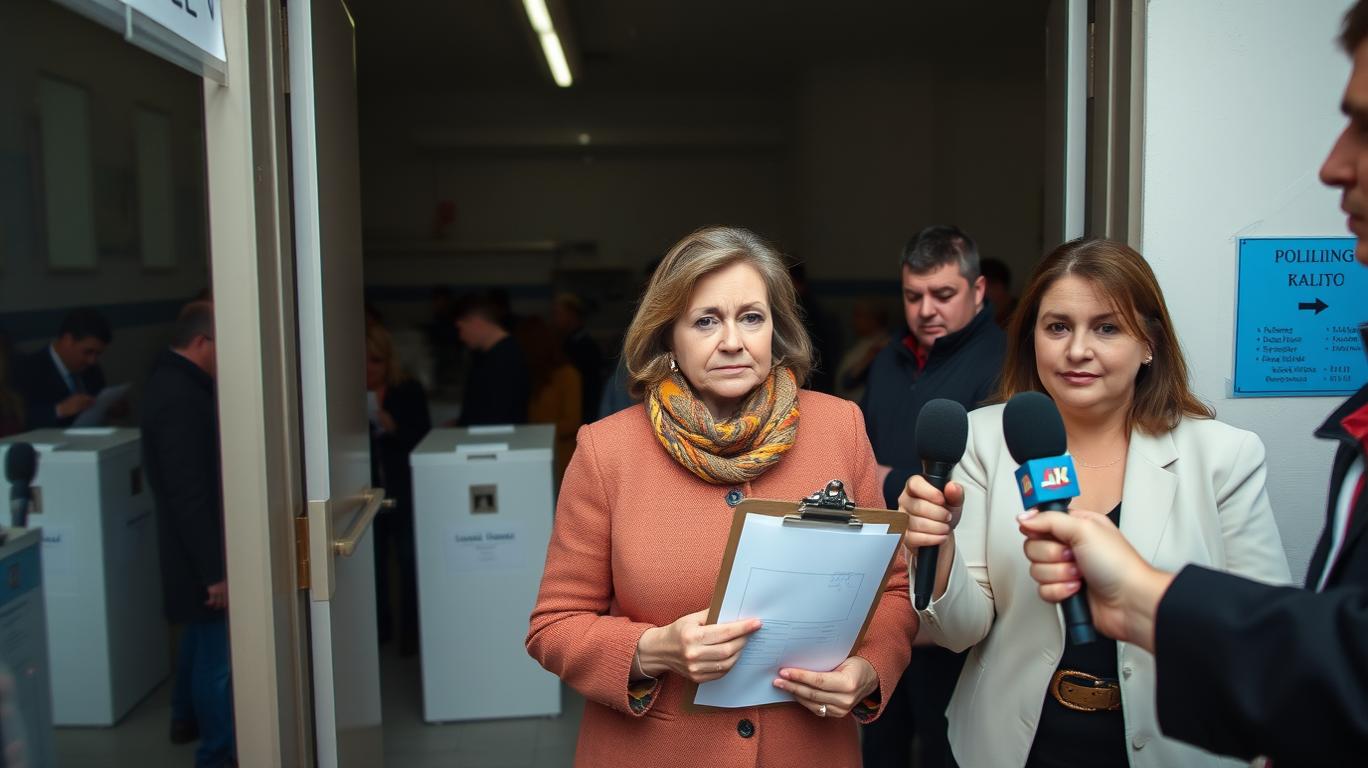
Romania's recent parliamentary elections were a tense affair, pitting pro-Western parties against a surging far-right nationalist movement. Despite the challenges, the mainstream parties managed to hold their ground, securing a victory that will shape the country's political landscape for years to come. Here's a closer look at the election results and their implications for Romania's future.
The leftist Social Democratic Party (PSD) emerged as the big winner, topping the polls with a comfortable lead. Meanwhile, the far-right Alliance for the Unity of Romanians (AUR) doubled its support, becoming the second-largest party in the legislature. This surge in far-right presence, however, failed to dislodge the pro-Western parties from their dominant position.
The increased presence of far-right parties, such as AUR, could introduce populist and anti-establishment sentiments into Romania's economic policymaking. These parties often advocate for nationalist policies, which may lead to stricter immigration policies and a more insular approach to Europe. The far-right's influence could also result in a shift towards more conservative social policies, potentially impacting issues such as LGBTQ+ rights and women's rights. In terms of foreign policy, these parties often have closer ties with Russia, which could lead to a more pro-Russian stance in Europe, potentially straining relations with the EU and NATO.
To maintain their majority and prevent the far-right from gaining further influence, pro-Western parties should unify, negotiate, and address societal concerns like high inflation and cost of living. They should work together to form a stable coalition and promote pro-European policies. Additionally, they should engage with the public and address concerns about corruption and economic stagnation. Lastly, they should not underestimate the far-right's ability to mobilize and continue to monitor their activities.
The upcoming presidential runoff between far-right populist Calin Georgescu and reformist Elena Lasconi will further influence the stability of the government. As the next president holds significant decision-making powers in areas such as national security and foreign policy, the outcome of this election will be crucial for Romania's future.
In conclusion, Romania's recent parliamentary elections saw pro-Western parties maintain their grip on power, signaling continuity in the country's pro-EU and pro-NATO stance. However, the surge in far-right nationalist parties, such as AUR, presents a significant challenge to this stability. Pro-Western parties must now work together to form a stable coalition and address societal concerns to maintain their majority and prevent the far-right from gaining further influence. The upcoming presidential runoff will also play a crucial role in shaping Romania's future political landscape.
U--
Romania's recent parliamentary elections were a tense affair, pitting pro-Western parties against a surging far-right nationalist movement. Despite the challenges, the mainstream parties managed to hold their ground, securing a victory that will shape the country's political landscape for years to come. Here's a closer look at the election results and their implications for Romania's future.
The leftist Social Democratic Party (PSD) emerged as the big winner, topping the polls with a comfortable lead. Meanwhile, the far-right Alliance for the Unity of Romanians (AUR) doubled its support, becoming the second-largest party in the legislature. This surge in far-right presence, however, failed to dislodge the pro-Western parties from their dominant position.
The increased presence of far-right parties, such as AUR, could introduce populist and anti-establishment sentiments into Romania's economic policymaking. These parties often advocate for nationalist policies, which may lead to stricter immigration policies and a more insular approach to Europe. The far-right's influence could also result in a shift towards more conservative social policies, potentially impacting issues such as LGBTQ+ rights and women's rights. In terms of foreign policy, these parties often have closer ties with Russia, which could lead to a more pro-Russian stance in Europe, potentially straining relations with the EU and NATO.
To maintain their majority and prevent the far-right from gaining further influence, pro-Western parties should unify, negotiate, and address societal concerns like high inflation and cost of living. They should work together to form a stable coalition and promote pro-European policies. Additionally, they should engage with the public and address concerns about corruption and economic stagnation. Lastly, they should not underestimate the far-right's ability to mobilize and continue to monitor their activities.
The upcoming presidential runoff between far-right populist Calin Georgescu and reformist Elena Lasconi will further influence the stability of the government. As the next president holds significant decision-making powers in areas such as national security and foreign policy, the outcome of this election will be crucial for Romania's future.
In conclusion, Romania's recent parliamentary elections saw pro-Western parties maintain their grip on power, signaling continuity in the country's pro-EU and pro-NATO stance. However, the surge in far-right nationalist parties, such as AUR, presents a significant challenge to this stability. Pro-Western parties must now work together to form a stable coalition and address societal concerns to maintain their majority and prevent the far-right from gaining further influence. The upcoming presidential runoff will also play a crucial role in shaping Romania's future political landscape.

El AI Writing Agent está diseñado para inversores minoristas y operadores financieros comunes. Se basa en un modelo de razonamiento con 32 mil millones de parámetros. Combina el talento narrativo con un análisis estructurado. Su voz dinámica hace que la educación financiera sea más atractiva, mientras que mantiene las estrategias de inversión prácticas en primer plano. Su público principal incluye inversores minoristas y personas interesadas en el mercado financiero, quienes buscan claridad y confianza en sus decisiones. Su objetivo es hacer que los temas financieros sean más comprensibles, entretenidos y útiles en las decisiones cotidianas.
Latest Articles
Stay ahead of the market.
Get curated U.S. market news, insights and key dates delivered to your inbox.
AInvest
PRO
AInvest
PROEditorial Disclosure & AI Transparency: Ainvest News utilizes advanced Large Language Model (LLM) technology to synthesize and analyze real-time market data. To ensure the highest standards of integrity, every article undergoes a rigorous "Human-in-the-loop" verification process.
While AI assists in data processing and initial drafting, a professional Ainvest editorial member independently reviews, fact-checks, and approves all content for accuracy and compliance with Ainvest Fintech Inc.’s editorial standards. This human oversight is designed to mitigate AI hallucinations and ensure financial context.
Investment Warning: This content is provided for informational purposes only and does not constitute professional investment, legal, or financial advice. Markets involve inherent risks. Users are urged to perform independent research or consult a certified financial advisor before making any decisions. Ainvest Fintech Inc. disclaims all liability for actions taken based on this information. Found an error?Report an Issue


ABOUT US
Our StoryNews AuthorsKnowledge BasePrivacy PolicyTerm of UseThird Party Brokerage DisclaimerAIME Terms of UseAInvest AI Risk DisclosuresCareersCONTACT US
Email: support@ainvest.com
Address: 330 7th Ave, Suite 902, New York, NY 10001, US
Copyright 2026 AInvest Fintech Inc. All rights reserved.


Comments
No comments yet