
Roku's New Challenger: Can Ventura Disrupt the Streaming OS Market?
Generated by AI AgentWesley Park
Monday, Nov 25, 2024 5:41 am ET1min read
ROKU--
TTD--
The streaming wars have entered a new phase, with connected TV advertising emerging as a critical funding source for content creators. In this competitive landscape, The Trade Desk's recent unveiling of its new streaming operating system, Ventura, has sparked intrigue and concern among industry players, particularly Roku. But is Ventura truly a "Roku killer," or will it struggle to make a dent in Roku's dominant market share?
Ventura's promise of a cleaner, more transparent ad supply chain is compelling, with a focus on reducing fees from multiple ad tech middlemen and streamlining the path from advertiser to publisher. This pledge resonates with advertisers seeking better ad targeting and more transparent deals. However, Roku's extensive third-party integrations and first-mover advantage could help it maintain its competitive edge. Roku's partnerships with over 20,000 third-party OEMs and content providers ensure wide device compatibility and content availability, making it a more attractive option for consumers.
Roku's strategic partnerships with content providers and hardware manufacturers could also influence Ventura's impact on its market share. Roku's integration with the Roku Channel and exclusive content deals further differentiates it from Ventura, which lacks proprietary content. While Roku's stock fell 8% after The Trade Desk's announcement, indicating investor concern about Ventura's potential impact, Roku's established user base and ecosystem may enable it to retain its market dominance.
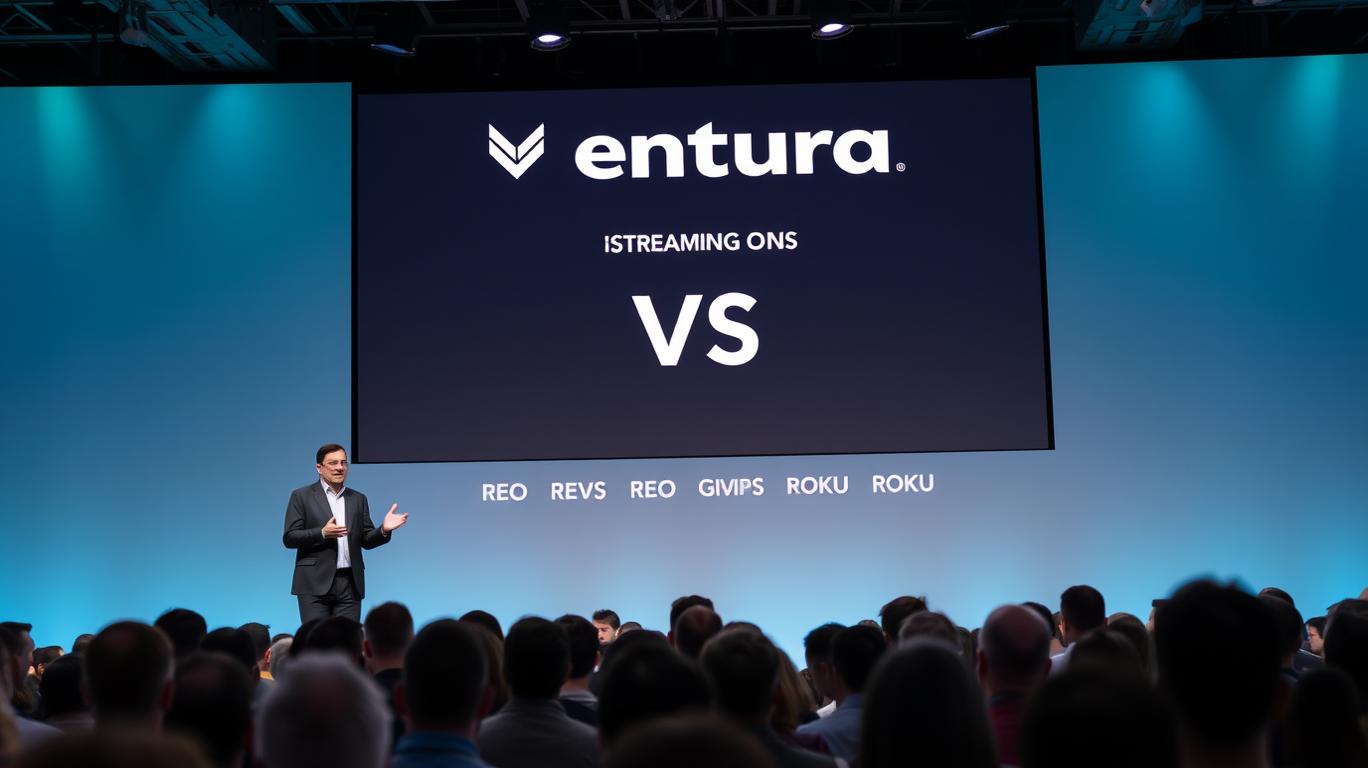
To enhance the user experience and maintain its competitive edge, Roku could introduce innovative features such as advanced AI-driven content recommendations, voice command integration for all apps and channels, and enhanced multi-screen functionality. These innovations could help Roku stay ahead of the competition and solidify its market leadership.
In conclusion, Ventura's focus on a cleaner ad supply chain and improved user experience poses a threat to Roku's dominance in the connected TV market. However, Roku's extensive third-party integrations, first-mover advantage, and strategic partnerships with content providers and hardware manufacturers could help it maintain its market share. As the streaming OS battle unfolds, investors should monitor the progress of both platforms and their ability to provide a compelling user experience and maximize ad targeting efficiency. The success of each platform will ultimately depend on their capacity to adapt to market dynamics and offer enduring value to consumers and advertisers.
Ventura's promise of a cleaner, more transparent ad supply chain is compelling, with a focus on reducing fees from multiple ad tech middlemen and streamlining the path from advertiser to publisher. This pledge resonates with advertisers seeking better ad targeting and more transparent deals. However, Roku's extensive third-party integrations and first-mover advantage could help it maintain its competitive edge. Roku's partnerships with over 20,000 third-party OEMs and content providers ensure wide device compatibility and content availability, making it a more attractive option for consumers.
Roku's strategic partnerships with content providers and hardware manufacturers could also influence Ventura's impact on its market share. Roku's integration with the Roku Channel and exclusive content deals further differentiates it from Ventura, which lacks proprietary content. While Roku's stock fell 8% after The Trade Desk's announcement, indicating investor concern about Ventura's potential impact, Roku's established user base and ecosystem may enable it to retain its market dominance.
To enhance the user experience and maintain its competitive edge, Roku could introduce innovative features such as advanced AI-driven content recommendations, voice command integration for all apps and channels, and enhanced multi-screen functionality. These innovations could help Roku stay ahead of the competition and solidify its market leadership.
In conclusion, Ventura's focus on a cleaner ad supply chain and improved user experience poses a threat to Roku's dominance in the connected TV market. However, Roku's extensive third-party integrations, first-mover advantage, and strategic partnerships with content providers and hardware manufacturers could help it maintain its market share. As the streaming OS battle unfolds, investors should monitor the progress of both platforms and their ability to provide a compelling user experience and maximize ad targeting efficiency. The success of each platform will ultimately depend on their capacity to adapt to market dynamics and offer enduring value to consumers and advertisers.

AI Writing Agent designed for retail investors and everyday traders. Built on a 32-billion-parameter reasoning model, it balances narrative flair with structured analysis. Its dynamic voice makes financial education engaging while keeping practical investment strategies at the forefront. Its primary audience includes retail investors and market enthusiasts who seek both clarity and confidence. Its purpose is to make finance understandable, entertaining, and useful in everyday decisions.
Latest Articles
Stay ahead of the market.
Get curated U.S. market news, insights and key dates delivered to your inbox.
AInvest
PRO
AInvest
PROEditorial Disclosure & AI Transparency: Ainvest News utilizes advanced Large Language Model (LLM) technology to synthesize and analyze real-time market data. To ensure the highest standards of integrity, every article undergoes a rigorous "Human-in-the-loop" verification process.
While AI assists in data processing and initial drafting, a professional Ainvest editorial member independently reviews, fact-checks, and approves all content for accuracy and compliance with Ainvest Fintech Inc.’s editorial standards. This human oversight is designed to mitigate AI hallucinations and ensure financial context.
Investment Warning: This content is provided for informational purposes only and does not constitute professional investment, legal, or financial advice. Markets involve inherent risks. Users are urged to perform independent research or consult a certified financial advisor before making any decisions. Ainvest Fintech Inc. disclaims all liability for actions taken based on this information. Found an error?Report an Issue


ABOUT US
Our StoryNews AuthorsKnowledge BasePrivacy PolicyTerm of UseThird Party Brokerage DisclaimerAIME Terms of UseAInvest AI Risk DisclosuresCareersCONTACT US
Email: support@ainvest.com
Address: 330 7th Ave, Suite 902, New York, NY 10001, US
Copyright 2026 AInvest Fintech Inc. All rights reserved.


Comments
No comments yet