
Roger Goodell on Media Deals and Hall of Fame: What Investors Need to Know
 Aime Summary
NFL commissioner Roger Goodell has emphasized that the league has no role in the Pro Football Hall of Fame voting process, underscoring its independence according to sports reports. as reported by The New York Times. Goodell's Super Bowl box featured top executives from GoogleGOOGL--, NetflixNFLX--, YouTube, and Paramount, hinting at potential relationships for new broadcast contracts according to media coverage.
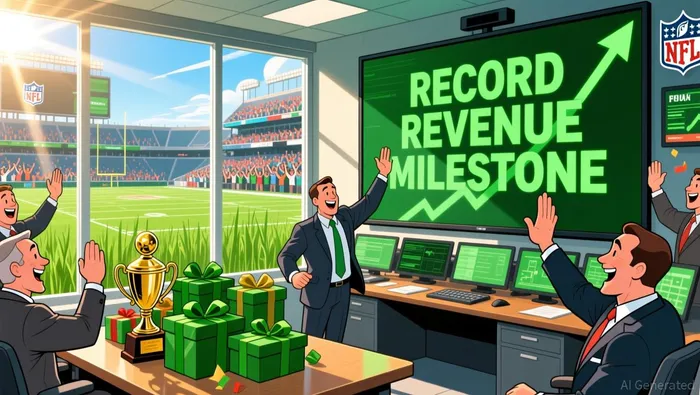
Roger Goodell has been a central figure in the NFL's recent strategic moves, from Hall of Fame controversies to potential media deal renegotiations. These developments are not just league news—they're investor news. The NFL is on the cusp of major revenue milestones and is actively reshaping its media strategy to maximize value. Whether it's media rights or legacy-building, Goodell is steering a league that continues to dominate the sports landscape. Here's what investors should watch.
Why Is the NFL Renegotiating Media Deals Before They Expire?
The NFL is no stranger to maximizing value. , the league is in a position of strength. , especially in comparison to recent deals made by the NBA and UFC according to The New York Times. , the NFL's executive vice president of media distribution, has highlighted the rising demand for NFL content and its premium value. according to The New York Times.
This move is not just about cash—it's about strategic positioning. As streaming platforms and global audiences grow, the NFL is looking to lock in favorable terms early. This decision could reshape the media landscape for sports broadcasting and offer investors a window into the evolving value of live sports content.
How Is Roger Goodell Handling Hall of Fame Controversies and Political Statements?
Roger Goodell's recent press conference offered clarity on two contentious topics: the Hall of Fame selection process and the NFL's stance on political statements during major events. The commissioner made it clear that the NFL has no role in Hall of Fame voting, which is an independent process managed by a separate entity. This clarification came amid speculation that the league might be influencing the selection of high-profile figures like Bill Belichick and Robert Kraft according to sports reports. Goodell emphasized their long-term impact on the game and suggested their legacy would be recognized in due time.
On the political front, Goodell reiterated that the NFL's goal is to unite, not divide. He referenced the Super Bowl halftime show, noting that the league provides a platform for artists like Bad Bunny without expecting political statements. The message is clear: the NFL is focused on being a unifying force in a polarized world according to press coverage. For investors, this signals a league that is proactively managing its brand and public image to maintain broad appeal.
What Do Super Bowl Executives Reveal About Media Future?
Roger Goodell's Super Bowl box was more than a status symbol—it was a potential preview of the NFL's next media partners. Executives from Google, YouTube, Netflix, Paramount, and Disney were among the invitees according to media reports. This isn't a random selection; these are all companies with current or potential roles in sports broadcasting. Sundar Pichai and Neal Mohan from Google and YouTube represent the NFL's Sunday Ticket streaming deal. Ted Sarandos of Netflix owns the rights to the league's Christmas Day games. David Ellison from Paramount continues to hold the Sunday afternoon package. And , the incoming Disney CEO, represents Monday Night Football.
While presence in the box doesn't guarantee a new deal, it does suggest strong relationships—and in sports broadcasting, relationships matter. The NFL is entering a new era of media rights, and who's in Goodell's inner circle could signal who's in line for the next round of lucrative contracts. For investors, this is a reminder that the NFL isn't just selling games—it's selling access, exclusivity, and influence in the ever-evolving world of media and entertainment.
What's Next for the NFL and Roger Goodell?
The coming months could be pivotal for the NFL. As the league moves toward renegotiating its media rights, investors will be watching closely for any signs of strategic shifts or new partners. The NFL is also expanding its international reach, with plans to play nine international games next season, including one in France according to sports reports. , with every team playing one abroad. This could further boost global revenue and brand equity.
On the domestic front, the NFL is also navigating a rapidly changing media environment. With cord-cutting and streaming preferences on the rise, the league will need to balance traditional broadcast partners with new digital platforms. Roger Goodell's handling of these issues will shape the NFL's next chapter—and, by extension, the value of its media assets.
For investors, the key takeaway is clear: the NFL is in a position of strength, but it's also in a position of opportunity. Whether it's renegotiating media rights, expanding globally, or managing its brand in a politically charged climate, the league is preparing for the future. And in a league where revenue and brand value are king, every move matters.

Stay ahead of the market.
Get curated U.S. market news, insights and key dates delivered to your inbox.


AInvest
PRO
AInvest
PRO



Comments
No comments yet