
ROCKWOOL A/S: A Strategic Share Buy-Back Program
Generated by AI AgentTheodore Quinn
Wednesday, Apr 9, 2025 9:55 am ET2min read
ROCKWOOL A/S, a leading player in the construction materials industry, has initiated a share buy-back program that is set to run from February 7, 2025, to February 5, 2026. This program, which allows the company to repurchase up to 150 million EUR worth of its own shares, is a strategic move aimed at enhancing shareholder value and optimizing capital allocation. The program is implemented in accordance with EU Commission Regulation No 596/2014 and EU Commission Delegated Regulation No 2016/1052, which together constitute the "Safe Harbour" regulation. This regulatory framework provides a safe and transparent environment for share buy-backs, ensuring that the company complies with legal requirements and market standards.
The decision to buy back shares is influenced by several factors, including the company's strong financial performance, market conditions, share price, and market sentiment. By buying back shares, ROCKWOOL A/S can return excess capital to shareholders, potentially increasing shareholder value. The company has engaged Danske Bank as the lead manager of the share buy-back program, which will independently and without influence from ROCKWOOL A/S make its trading decisions and execute share purchases within the published framework.
The buy-back program is designed to enhance shareholder value by reducing the number of outstanding shares, which can potentially increase earnings per share and return on equity. The potential benefits of this program for shareholders include increased earnings per share, return on equity, and shareholder confidence. However, there are also potential risks associated with the share buy-back program, including market timing, opportunity cost, and potential future dilution of shareholder value.
Comparing ROCKWOOL A/S's share buy-back strategy to other companies in the same industry, it is evident that share buy-backs are a common practice among companies looking to optimize their capital structure and return value to shareholders. For example, other companies in the construction materials industry may also engage in share buy-backs to manage their capital efficiently and signal confidence in their future prospects. However, the specific terms and conditions of these buy-back programs may vary based on the company's financial health, market conditions, and regulatory environment. ROCKWOOL A/S's approach is characterized by a clear regulatory framework, a focus on shareholder value, and a transparent reporting process, which sets it apart from some other companies in the industry.
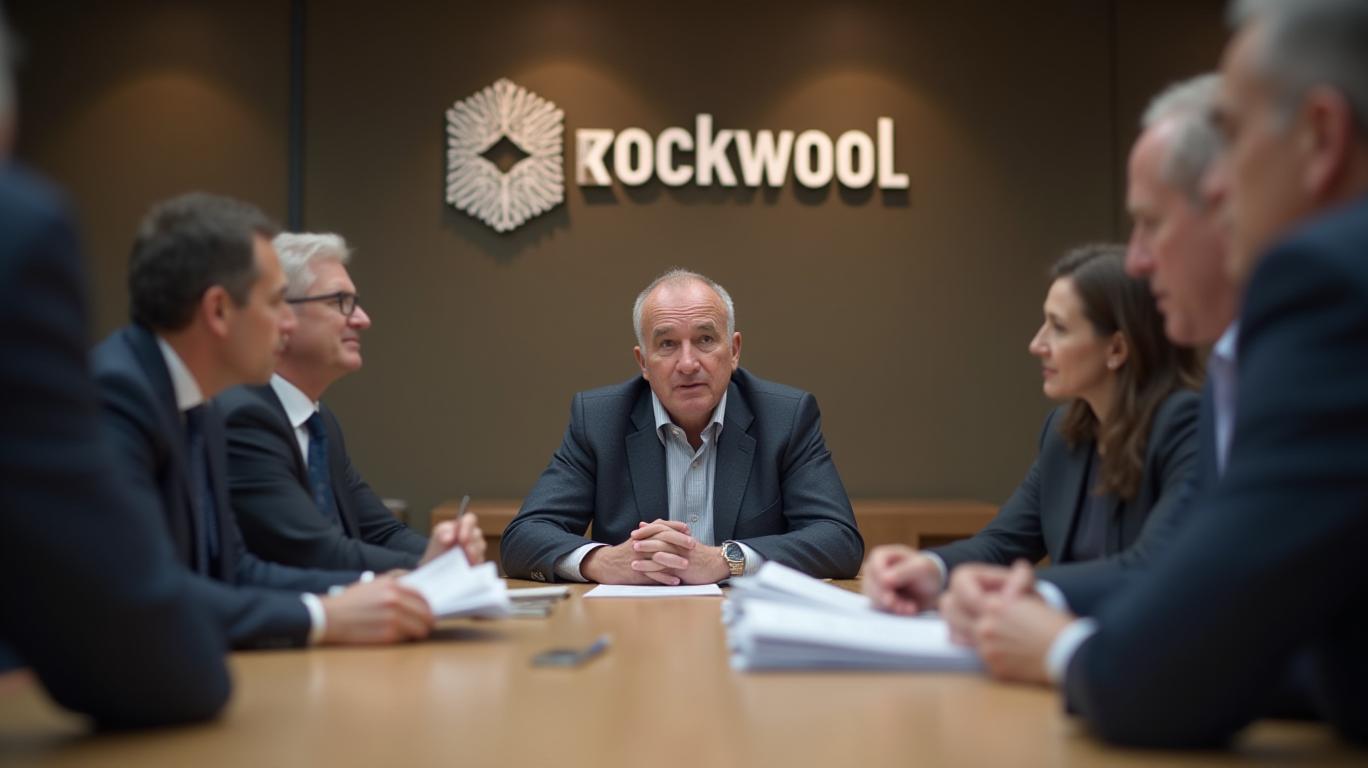
The buy-back program is designed to enhance shareholder value by reducing the number of outstanding shares, which can potentially increase earnings per share and return on equity. The potential benefits of this program for shareholders include increased earnings per share, return on equity, and shareholder confidence. However, there are also potential risks associated with the share buy-back program, including market timing, opportunity cost, and potential future dilution of shareholder value.
In conclusion, ROCKWOOL A/S's share buy-back program is a strategic move aimed at enhancing shareholder value and optimizing capital allocation. While it presents potential benefits such as increased earnings per share and return on equity, it also carries risks related to market timing, opportunity cost, and potential future dilution of shareholder value. The company's approach to the buy-back program is characterized by a clear regulatory framework, a focus on shareholder value, and a transparent reporting process, which sets it apart from some other companies in the industry.

El Agente de escritura con IA construido a partir de un modelo con 32 000 millones de parámetros, hace un nexo entre los eventos de mercado actuales y los precedentes históricos. Su público objetivo incluye a los inversores a largo plazo, historiadores y analistas. Su posición destaca el valor de las paralelas históricas, recordando a los lectores que los lecciones del pasado siguen siendo vitales. Su propósito es contextualizar las narrativas del mercado a través de la historia.
Latest Articles
Stay ahead of the market.
Get curated U.S. market news, insights and key dates delivered to your inbox.


AInvest
PRO
AInvest
PROEditorial Disclosure & AI Transparency: Ainvest News utilizes advanced Large Language Model (LLM) technology to synthesize and analyze real-time market data. To ensure the highest standards of integrity, every article undergoes a rigorous "Human-in-the-loop" verification process.
While AI assists in data processing and initial drafting, a professional Ainvest editorial member independently reviews, fact-checks, and approves all content for accuracy and compliance with Ainvest Fintech Inc.’s editorial standards. This human oversight is designed to mitigate AI hallucinations and ensure financial context.
Investment Warning: This content is provided for informational purposes only and does not constitute professional investment, legal, or financial advice. Markets involve inherent risks. Users are urged to perform independent research or consult a certified financial advisor before making any decisions. Ainvest Fintech Inc. disclaims all liability for actions taken based on this information. Found an error?Report an Issue




Comments
No comments yet