
Rivian and Uber: A Game-Changing Robotaxi Partnership Unveiled
 Aime Summary
. According to CNBC, . As reported - Rivian's CEO emphasized that AI and advanced semiconductor technology will drive the success of the robotaxi market. MarketWatch reports
Uber and RivianRIVN-- have inked a high-stakes partnership that could reshape the future of autonomous transportation—and it’s already sending ripples through the stock market. , . This isn’t just a financial move; it’s a strategic one. For Rivian, it means long-term demand and capital to scale autonomous development. For UberUBER--, it’s a step into the future of mobility that could redefine how we get around. Investors are watching closely to see how this plays out.
Why Is Rivian Stock Rising on This Uber Partnership?
Rivian shareholders are seeing a significant boost from this partnership, with the stock surging after the announcement. The deal provides Rivian with not only capital but also a guaranteed scale of production and deployment for its R2 electric vehicle in the form of robotaxis. . This structure aligns both companies' incentives, ensuring progress in autonomous driving technology is rewarded with further capital. According to SEC filings
For investors, this is more than a one-off win. It signals growing demand for electric and autonomous vehicles, which could position Rivian for long-term profitability. But it’s also a vote of confidence in the company’s ability to deliver on its ambitious technology roadmap. Uber’s decision to invest in Rivian over other partners reflects its belief in Rivian’s integrated vehicle and software approach. As Yahoo Finance reports
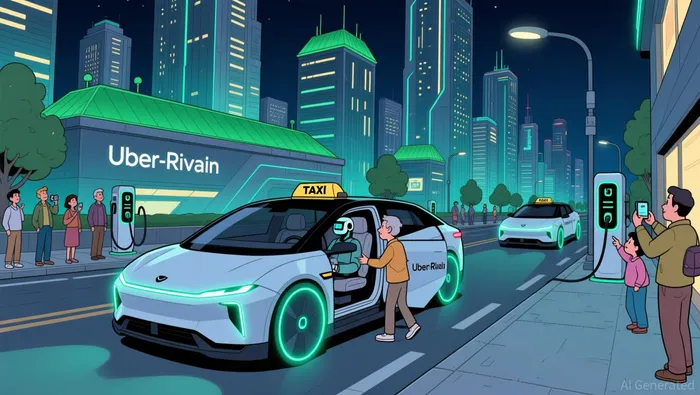
What Does This Mean for Uber’s Autonomous Vehicle Strategy?
This partnership is a key piece of Uber’s broader strategy to shift toward autonomous ride-hailing services. The company has previously partnered with companies like Nvidia, Amazon’s , and , but the Rivian deal is arguably the most substantial. By leveraging Rivian’s vertically integrated model and in-house technology stack—including its own custom AI chips and perception systems—Uber is building a platform that it hopes will outpace traditional ride-hailing models. Reuters reports
For investors evaluating Uber’s stock, this deal raises an important question: Is Uber building the infrastructure to sustain a future where no driver is needed? The answer may depend on how quickly and efficiently the robotaxi network rolls out and how well it integrates with existing services. If successful, the move could reduce operating costs and improve margins while capturing a share of a potential multitrillion-dollar autonomous mobility market. The Wall Street Journal notes
What Are the Risks and Limitations of This Partnership?
Despite the excitement, there are risks. The timeline for deployment is aggressive, . Delays in regulatory approvals, technical hurdles, or public resistance to autonomous vehicles could slow this rollout. Moreover, the partnership is tied to performance milestones, . This could impact Rivian’s valuation and dilute shareholder value if additional tranches of funding come with equity stakes or warrants. AOL reports
For investors, it’s also worth noting that Rivian is not yet profitable. . That means this partnership, while significant, is part of a long-term investment in a future that is still being built—and not yet realized. Yahoo Finance reports
What to Watch Next
As the partnership progresses, investors should focus on a few key indicators. First, how quickly does the R2 robotaxi reach production and begin deployment? Second, what kind of regulatory hurdles emerge as the company scales beyond the initial cities? Third, how does the robotaxi service perform in terms of rider adoption, safety, and cost efficiency? And finally, how does this partnership impact Rivian’s broader business, including its profitability and long-term strategic goals? WBAL reports
In the short term, the stock price is likely to remain volatile as investors assess the implications of the deal. But in the long term, this could be a turning point for both companies—and for the broader autonomous mobility sector.

Stay ahead of the market.
Get curated U.S. market news, insights and key dates delivered to your inbox.
AInvest
PRO
AInvest
PRO



Comments
No comments yet