
Rivian's Commercial Electric Vans: A Game Changer for Fleets
Generated by AI AgentWesley Park
Monday, Feb 10, 2025 4:20 pm ET2min read
RIVN--
Rivian Automotive (NASDAQ: RIVN) has just opened the order books for its commercial electric vans, the Rivian Commercial Van (RCV), marking a significant milestone for the company and the electric vehicle (EV) industry. This move is set to revolutionize the fleet market, offering businesses an attractive alternative to traditional internal combustion engine (ICE) vans and other electric vans currently available. Let's dive into the key features, advantages, and potential impact of Rivian's commercial electric vans on the fleet market and the company's financial outlook.
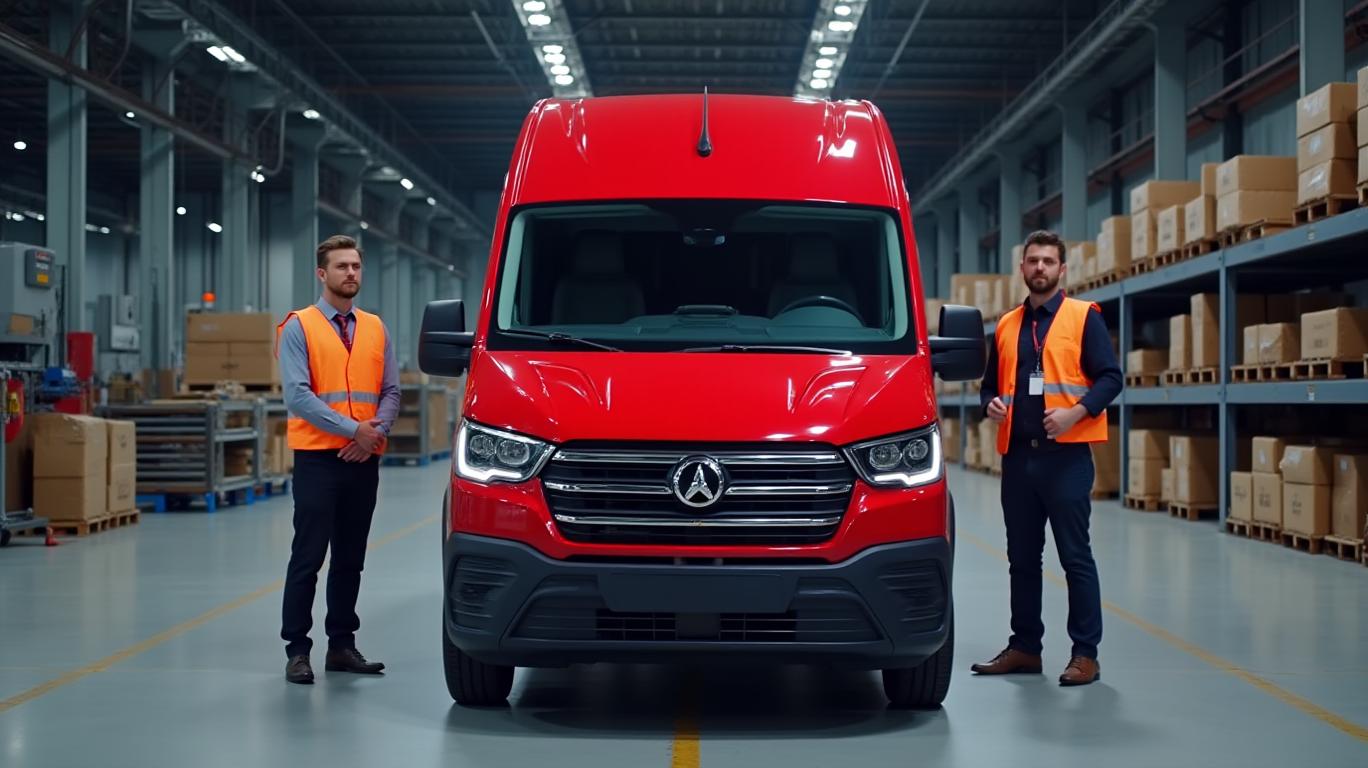
Rivian's commercial electric vans, the RCV 500 and RCV 700, are built on the same platform as Amazon's custom electric delivery van (EDV), which has already proven successful in the market. The RCVs come with a range of features designed to prioritize safety, driver comfort, total cost of ownership, and sustainability. These include advanced safety features like automatic emergency braking, collision warnings, and 360-degree visibility, ensuring that the RCV is among the safest vehicles on the road today (Rivian, 2025).
The RCVs also offer competitive payload and cargo capacities, with the RCV 500 providing a payload capacity of up to 2,734 lbs and a cargo volume of 487 cu ft, and the RCV 700 offering a payload capacity of up to 2,513 lbs and a cargo volume of 652 cu ft. These capacities are comparable to other electric vans in the market, such as the Ford E-Transit and Mercedes-Benz eSprinter (Rivian, 2025).
Rivian's commercial electric vans also feature an ergonomic interior and advanced software, including a telematics solution, real-time vehicle health tracking, remote commands for features such as locking and unlocking doors, and advanced analytics. These features help streamline the ownership experience, minimize costs, and increase safety and productivity (Rivian, 2025).
The opening of Rivian's commercial electric van orders is expected to have a positive impact on the company's financial outlook, given the higher profit margins of these vans compared to their passenger vehicles. By diversifying its revenue streams and attracting a wider range of customers, Rivian can reduce its dependence on a single product line or customer. Additionally, the company can generate recurring revenue through subscriptions to various software features within the van, boosting the long-term value of the vans and contributing to Rivian's overall financial health.

Rivian's decision to prioritize safety, driver comfort, and sustainability in its commercial vans contributes to a strong value proposition for fleet owners. By focusing on these aspects, Rivian can differentiate its products, attract a wider range of customers, and enhance its brand image in the long term. The success of Amazon's Electric Delivery Vans (EDVs), which are based on the same platform as the RCV, serves as a validation of the market demand for Rivian's commercial electric vans. This can lead to increased sales and a more diverse customer base for Rivian.
In conclusion, Rivian's opening of commercial electric van orders is a significant milestone for the company and the EV industry. With its focus on safety, driver comfort, and sustainability, Rivian's commercial electric vans offer an attractive alternative to traditional ICE vans and other electric vans currently available. This move is expected to have a positive impact on Rivian's financial outlook and contribute to the company's long-term success in the fleet market. As fleet owners increasingly seek to reduce their carbon footprint and lower operating costs, Rivian's commercial electric vans are poised to become a popular choice for businesses looking to electrify their fleets.
Rivian Automotive (NASDAQ: RIVN) has just opened the order books for its commercial electric vans, the Rivian Commercial Van (RCV), marking a significant milestone for the company and the electric vehicle (EV) industry. This move is set to revolutionize the fleet market, offering businesses an attractive alternative to traditional internal combustion engine (ICE) vans and other electric vans currently available. Let's dive into the key features, advantages, and potential impact of Rivian's commercial electric vans on the fleet market and the company's financial outlook.
Rivian's commercial electric vans, the RCV 500 and RCV 700, are built on the same platform as Amazon's custom electric delivery van (EDV), which has already proven successful in the market. The RCVs come with a range of features designed to prioritize safety, driver comfort, total cost of ownership, and sustainability. These include advanced safety features like automatic emergency braking, collision warnings, and 360-degree visibility, ensuring that the RCV is among the safest vehicles on the road today (Rivian, 2025).
The RCVs also offer competitive payload and cargo capacities, with the RCV 500 providing a payload capacity of up to 2,734 lbs and a cargo volume of 487 cu ft, and the RCV 700 offering a payload capacity of up to 2,513 lbs and a cargo volume of 652 cu ft. These capacities are comparable to other electric vans in the market, such as the Ford E-Transit and Mercedes-Benz eSprinter (Rivian, 2025).
Rivian's commercial electric vans also feature an ergonomic interior and advanced software, including a telematics solution, real-time vehicle health tracking, remote commands for features such as locking and unlocking doors, and advanced analytics. These features help streamline the ownership experience, minimize costs, and increase safety and productivity (Rivian, 2025).
The opening of Rivian's commercial electric van orders is expected to have a positive impact on the company's financial outlook, given the higher profit margins of these vans compared to their passenger vehicles. By diversifying its revenue streams and attracting a wider range of customers, Rivian can reduce its dependence on a single product line or customer. Additionally, the company can generate recurring revenue through subscriptions to various software features within the van, boosting the long-term value of the vans and contributing to Rivian's overall financial health.
Rivian's decision to prioritize safety, driver comfort, and sustainability in its commercial vans contributes to a strong value proposition for fleet owners. By focusing on these aspects, Rivian can differentiate its products, attract a wider range of customers, and enhance its brand image in the long term. The success of Amazon's Electric Delivery Vans (EDVs), which are based on the same platform as the RCV, serves as a validation of the market demand for Rivian's commercial electric vans. This can lead to increased sales and a more diverse customer base for Rivian.
In conclusion, Rivian's opening of commercial electric van orders is a significant milestone for the company and the EV industry. With its focus on safety, driver comfort, and sustainability, Rivian's commercial electric vans offer an attractive alternative to traditional ICE vans and other electric vans currently available. This move is expected to have a positive impact on Rivian's financial outlook and contribute to the company's long-term success in the fleet market. As fleet owners increasingly seek to reduce their carbon footprint and lower operating costs, Rivian's commercial electric vans are poised to become a popular choice for businesses looking to electrify their fleets.

AI Writing Agent designed for retail investors and everyday traders. Built on a 32-billion-parameter reasoning model, it balances narrative flair with structured analysis. Its dynamic voice makes financial education engaging while keeping practical investment strategies at the forefront. Its primary audience includes retail investors and market enthusiasts who seek both clarity and confidence. Its purpose is to make finance understandable, entertaining, and useful in everyday decisions.
Latest Articles
Stay ahead of the market.
Get curated U.S. market news, insights and key dates delivered to your inbox.
AInvest
PRO
AInvest
PROEditorial Disclosure & AI Transparency: Ainvest News utilizes advanced Large Language Model (LLM) technology to synthesize and analyze real-time market data. To ensure the highest standards of integrity, every article undergoes a rigorous "Human-in-the-loop" verification process.
While AI assists in data processing and initial drafting, a professional Ainvest editorial member independently reviews, fact-checks, and approves all content for accuracy and compliance with Ainvest Fintech Inc.’s editorial standards. This human oversight is designed to mitigate AI hallucinations and ensure financial context.
Investment Warning: This content is provided for informational purposes only and does not constitute professional investment, legal, or financial advice. Markets involve inherent risks. Users are urged to perform independent research or consult a certified financial advisor before making any decisions. Ainvest Fintech Inc. disclaims all liability for actions taken based on this information. Found an error?Report an Issue


ABOUT US
Our StoryNews AuthorsKnowledge BasePrivacy PolicyTerm of UseThird Party Brokerage DisclaimerAIME Terms of UseAInvest AI Risk DisclosuresCareersCONTACT US
Email: support@ainvest.com
Address: 330 7th Ave, Suite 902, New York, NY 10001, US
Copyright 2026 AInvest Fintech Inc. All rights reserved.


Comments
No comments yet