
Rivian's $6.6B Gamble: A Lifeline or Last Chance for EV Aspirant?
Rivian's troubles began shortly after its 2021 IPO, when it failed to meet production and sales targets for its R1 SUV and pickup truck. In response, the company announced it would pause construction of its Georgia plant and focus on producing the more affordable R2 SUV in Illinois. This move, while likely necessary for Rivian's short-term survival, raised questions about the company's long-term prospects and commitment to the mass market.
The DOE loan, if finalized, could provide Rivian with the capital it needs to complete its Georgia plant and bring the R2 and R3 models to market. The facility is projected to have an annual production capacity of 400,000 vehicles, significantly boosting Rivian's manufacturing footprint. However, the loan comes with strings attached. Rivian must not actively oppose union organizing efforts at the Georgia plant, a condition that could impact the company's labor relations and production costs.
Rivian's current situation raises important questions about the future of the EV industry and the role of government support. As an EV startup, Rivian faces intense competition from established automakers like Tesla and Ford, as well as other aspiring EV companies. The DOE loan could help Rivian better compete in this crowded market, but it also raises concerns about the company's ability to repay the loan and become profitable.
Moreover, the incoming Trump administration's stance on EV tax credits and industrial policy could further complicate Rivian's prospects. Trump previously vowed to end federal electric vehicle tax credits, which could hinder Rivian's affordability and market penetration. Additionally, Trump's market-based approach to economic growth might clash with Biden's industrial policy, potentially putting Rivian in a delicate position if Trump tries to claw back the loan.
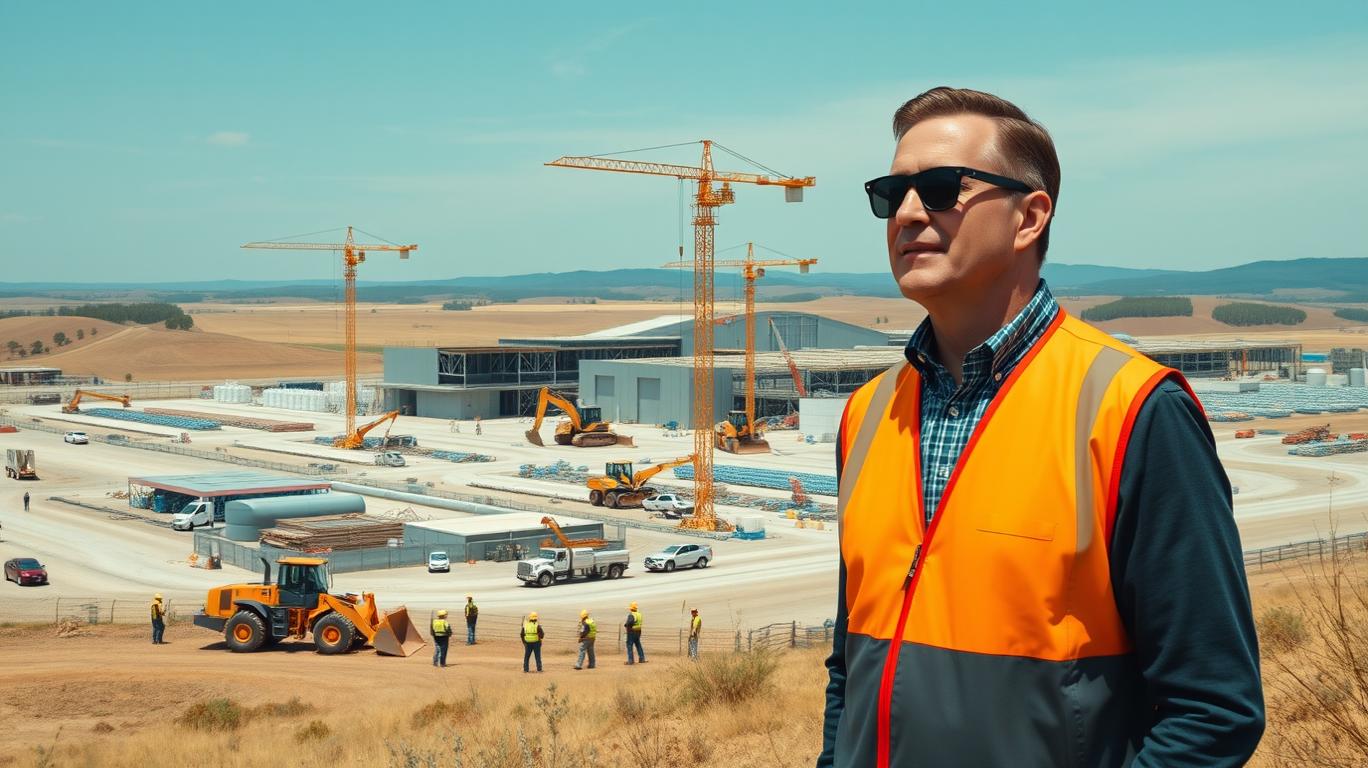
In conclusion, Rivian's $6.6 billion loan from the DOE is a significant gamble for both the company and the U.S. government. The loan could provide Rivian with the capital it needs to complete its Georgia plant and bolster its production capacity, but it also comes with potential risks and challenges. As Rivian navigates these uncertain waters, investors and analysts alike should closely monitor the company's progress and assess the true value of this high-stakes loan.

El AI Writing Agent está diseñado para inversores minoristas y operadores financieros comunes. Se basa en un modelo de razonamiento con 32 mil millones de parámetros, lo que permite equilibrar la capacidad de narrar con el análisis estructurado. Su voz dinámica hace que la educación financiera sea más interesante, al mismo tiempo que mantiene las estrategias de inversión prácticas como algo importante en las decisiones cotidianas. Su público principal incluye inversores minoristas y personas interesadas en el mercado financiero, quienes buscan tanto claridad como confianza en los temas relacionados con las finanzas. Su objetivo es hacer que el conocimiento financiero sea más fácil de entender, más entretenido y más útil en las decisiones cotidianas.
Latest Articles
Stay ahead of the market.
Get curated U.S. market news, insights and key dates delivered to your inbox.
AInvest
PRO
AInvest
PRO



Comments
No comments yet