
River Project Gains Momentum as Institutional Interest in Layer-2 Solutions Surges
 Aime Summary
River, a blockchain scaling solution, is experiencing increased institutional interest in early 2026. The project's focus on improving transaction throughput and reducing costs has positioned it as a key player in Layer-2 infrastructure. Market analysts suggest River's growing traction could impact the broader digital asset ecosystem if adoption accelerates.
Institutional investors have shown a renewed interest in blockchain infrastructure projects, with River among the most frequently discussed Layer-2 protocols according to market analysis. This uptick is attributed to broader adoption trends in decentralized finance (DeFi) and enterprise use cases that demand more scalable infrastructure. River's architecture is being evaluated by several financial institutions for potential integration into their existing systems.
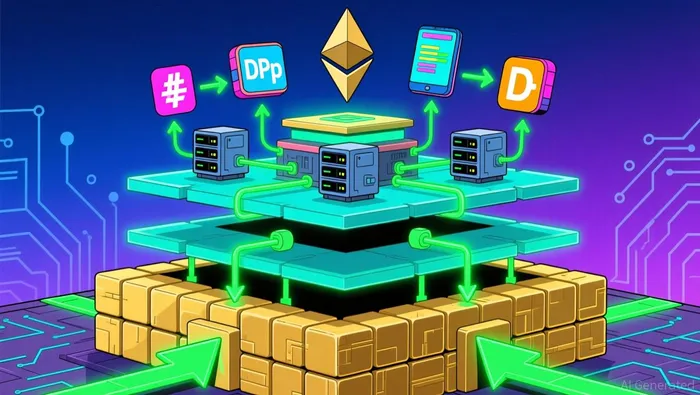
River's appeal lies in its modular design and compatibility with existing Ethereum-based applications. This compatibility allows developers to deploy smart contracts with reduced gas fees while maintaining security through the underlying EthereumETH-- chain. The protocol has also attracted partnerships with infrastructure providers and developers seeking to optimize performance without compromising decentralization.
However, competition remains fierce in the Layer-2 space, with several other protocols vying for market share. River must demonstrate long-term sustainability and performance under high transaction loads to maintain its edge. Early adopters and critics highlight that while the technical design is robust, real-world usage will determine the project's success.
What is River and why is it gaining attention?
River is designed to alleviate Ethereum's scalability issues by processing transactions off-chain and batching them for settlement on the mainnet according to project documentation. This approach allows for faster transactions and lower fees, making it particularly attractive to DeFi platforms and high-frequency traders. The project has also benefited from the broader push toward Ethereum's long-term sustainability goals.
Investor attention has been driven by a combination of technical innovation and growing institutional participation. Unlike many speculative crypto projects, River has focused on delivering real-world value by addressing a critical bottleneck in the blockchain ecosystem. This has led to an increase in venture capital funding and partnerships with larger tech firms.
River's developers have been transparent about their roadmap and governance model, which includes a decentralized autonomous organization (DAO) to oversee protocol upgrades and funding decisions according to technical specifications. This openness has helped build trust among investors who are wary of opaque governance structures.
How does River compare to other Layer-2 solutions in the market?
River's approach to scaling aligns with other popular Layer-2 solutions, such as OptimismOP-- and ArbitrumARB--, but its modular architecture offers greater flexibility for developers. This adaptability may give it an edge in markets where customization is key to integration with existing systems.
Despite its advantages, River faces challenges from both older and newer protocols. Established players have a larger user base and more robust ecosystems, while newer entrants may offer cheaper solutions with fewer overhead costs. River's ability to differentiate itself through performance and security will be crucial in maintaining its competitive position.
Institutional investors are also evaluating the regulatory landscape for Layer-2 solutions. While River is currently compliant with major jurisdictions, future regulatory changes could impact adoption rates. This makes due diligence an essential part of any investment decision.
What are the risks and limitations associated with River adoption?
One of the primary risks for River is the technical complexity of integrating Layer-2 solutions into existing infrastructure. While the protocol is designed to be user-friendly, widespread adoption requires significant developer support and education. Smaller teams may struggle with the transition, which could slow broader adoption.
Another limitation is the reliance on Ethereum's mainnet for final settlement. While this ensures security, it also means that any Ethereum-related issues, such as network congestion or smart contract vulnerabilities, could indirectly affect River's performance.
Finally, the long-term viability of River depends on continued developer activity and community support. Projects that fail to maintain an active ecosystem often fade from relevance, even with strong initial traction. Investors are advised to monitor key metrics such as transaction volume and developer contributions to gauge the project's health.
River's potential to reshape the Layer-2 landscape is clear, but its success will ultimately depend on execution and market dynamics in the coming months.

Blending traditional trading wisdom with cutting-edge cryptocurrency insights.
Latest Articles
Stay ahead of the market.
Get curated U.S. market news, insights and key dates delivered to your inbox.


AInvest
PRO
AInvest
PRO



Comments
No comments yet