
RIVER Gains Momentum as Key Developments in Housing Industry Emerge
 Aime Summary
- Rhinelander and Cassian have approved new developments to address housing and economic growth needs, with a focus on sustainability and job creation according to recent developments.
- Assembly Bill 449 could lead to increased lake property density, potentially straining septic systems and affordable housing availability as proposed.
- Oneida County revised its tourist rooming house ordinance to allow shorter rental periods, balancing tourism needs with housing concerns according to local updates.
Rhinelander has approved a senior housing project managed by Riverview Hall, LLC, which will include income-based units for seniors and veterans. The initiative aims to free up existing housing for younger residents while coordinating with transportation and environmental agencies due to its proximity to state forest land as reported. The project emphasizes sustainability and community needs, aligning with broader goals for economic development and affordable housing.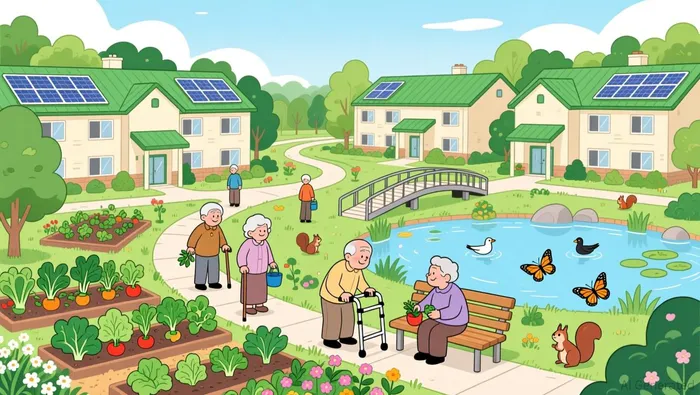
In Cassian, a new sawmill project for Twin Forest Products has also been approved, expected to create 20–30 jobs and support local economic growth. The project is in line with Cassian's economic development goals and is seen as a step toward attracting additional businesses to the area according to development plans. Both developments highlight a trend of balancing economic growth with environmental considerations and community needs.
Meanwhile, Assembly Bill 449, which would allow for a second dwelling on certain residential or mixed-use parcels, is under review. The bill could increase density on lake properties, raising concerns about septic system capacity and affordable housing availability as concerns have been raised. Officials and conservationists have emphasized the need to balance housing demands with environmental protections and local zoning control. The implications of the bill could be particularly significant in counties like Vilas and Oneida, where waterfront properties are highly valued.
What Are the Implications of the New Ordinances on Tourism and Housing?
Oneida County has modified its tourist rooming house ordinance to allow shorter rental periods, aiming to accommodate tourism in areas such as Three Lakes. The change provides more flexibility for short-term rentals while capping them at one rental per seven-day period. This update addresses frustrations over restrictive policies affecting visitors while aiming to support local tourism and economic development according to local reports.
However, concerns remain about the impact of short-term rentals on housing availability. Some county supervisors have raised the possibility that these policies could worsen housing shortages by reducing the number of units available for long-term residents. The new ordinance seeks to provide a middle ground by balancing the needs of tourism with housing availability for local residents as noted in updates.
The changes reflect a broader challenge in balancing economic benefits from tourism with the need for housing stability. As communities continue to grow and attract visitors, finding sustainable policies that support both residents and the local economy remains a critical issue according to local analysis.
What Risks Come With Increased Housing Density and Development Projects?
The proposed changes under Assembly Bill 449 and the new developments in Rhinelander and Cassian highlight the potential risks associated with increased housing density and development. These include the potential strain on septic systems, increased pressure on local infrastructure, and reduced availability of affordable housing as reported.
The senior housing project in Rhinelander, for example, includes measures to coordinate with environmental agencies due to its location near state forest land. This coordination is essential to ensure that the project adheres to environmental standards while still meeting housing needs according to project details.
Similarly, the sawmill project in Cassian has the potential to create jobs and support economic growth but must also ensure that environmental sustainability is maintained. Both projects emphasize the importance of sustainable development and the need to balance economic growth with community well-being according to development plans.
Overall, the developments and proposed changes reflect a broader trend of communities seeking to address housing and economic needs while also considering environmental and social impacts. The success of these initiatives will depend on continued collaboration between local governments, businesses, and residents to ensure that development is both sustainable and equitable according to comprehensive analysis.

Blending traditional trading wisdom with cutting-edge cryptocurrency insights.
Latest Articles
Stay ahead of the market.
Get curated U.S. market news, insights and key dates delivered to your inbox.


AInvest
PRO
AInvest
PRO



Comments
No comments yet