
River Gains Momentum Amid Judicial and Legal Developments in the U.S.
 Aime Summary
Legal developments in the U.S. have intensified, particularly around transgender athletes in sports and judicial elections. Recent rulings and fundraising disparities signal shifting political and legal dynamics.
The U.S. Supreme Court is poised to uphold state laws that prohibit transgender girls and women from participating in school sports teams, favoring state interests in fair competition. This aligns with prior conservative rulings.
In Wisconsin, a Democratic-backed judicial candidate, Judge Chris Taylor, has raised significantly more funds than her Republican-endorsed rival, highlighting the growing financial stakes in key judicial races. According to reports, Judge Taylor raised $2.6 million compared to $200,000 for her opponent.
How Might Legal Rulings Affect Market Narratives Around Gender and Sports?
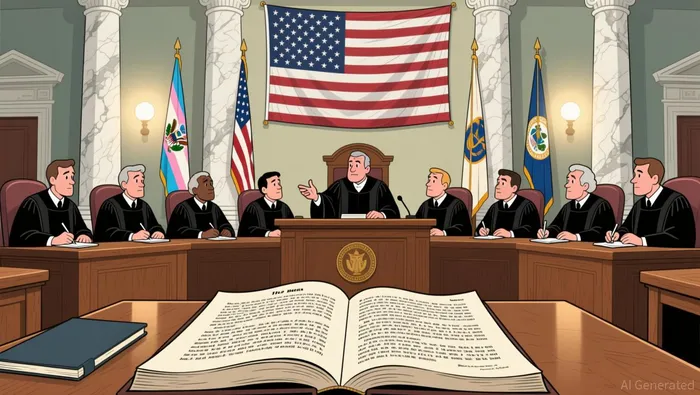
The Supreme Court's likely decision to uphold transgender athlete bans could influence broader legal discussions about gender inclusivity and fair competition. Over 25 states have similar laws, and the ruling may set a precedent for future challenges in states where transgender athletes are currently allowed to compete.
For investors, these legal shifts may indirectly affect industries such as media, healthcare, and education, which have stakes in gender policy and diversity initiatives. The decision could also reflect broader cultural tensions and influence corporate diversity strategies.
What Do Judicial Campaign Fundraising Trends Reveal About Political Influence in the U.S.?
The Wisconsin Supreme Court race exemplifies the growing role of financial resources in judicial elections. Judge Chris Taylor, backed by the Democratic Party, raised $2.6 million compared to $200,000 for her opponent, Judge Maria Lazar.
This fundraising disparity underscores the increasing politicization of the judiciary and may impact the ideological balance of state courts. The winner of the race will serve a 10-year term and could influence decisions on key issues like legislative district maps and labor rights. Such shifts in judicial control may affect regulatory landscapes in various sectors, including labor and education.
What Are the Implications of These Legal and Judicial Trends for the Future?
The outcomes of these legal and judicial developments could shape policy and legal interpretations for years to come. A potential shift in the U.S. Supreme Court's stance on gender identity in sports may influence subsequent cases and legislative proposals in the sector.
Similarly, the Wisconsin race highlights how political affiliations and fundraising capacity can directly shape judicial outcomes. These trends suggest that financial backing and political alignment will continue to play a pivotal role in the judicial landscape, potentially affecting the interpretation of key legal and social issues.
The U.S. legal system's evolving stance on gender and judicial appointments illustrates the intersection of politics, law, and public discourse. These factors are relevant for investors monitoring legal and regulatory environments across various sectors.

Blending traditional trading wisdom with cutting-edge cryptocurrency insights.
Latest Articles
Stay ahead of the market.
Get curated U.S. market news, insights and key dates delivered to your inbox.






Comments
No comments yet