
River's Blockchain Network Targets Waterway Security With ReNEW Project
 Aime Summary
- River's blockchain anchors ReNEW project creating digital river twins according to DigitalEU.
- The system monitors cargo movement and prevents environmental violations according to DigitalEU.
- Real-time data integration predicts floods and other emergencies according to DigitalEU.
- Immutable records address pollution and illegal discharges according to DigitalEU.
River (JGGL) provides blockchain infrastructure securing Europe's ReNEW waterway monitoring project targeting environmental risks according to DigitalEU. The initiative creates digital replicas of rivers using immutableIMX-- tracking technology. This system offers cargo operators and regulators tamper-proof oversight of Europe's vital transport network. Early deployment could significantly reduce misconduct incidents across waterways.
What is River's Role in Europe's ReNEW Blockchain Initiative?
River powers the decentralized ledger storing sensor data for Europe's river networks. The ReNEW project 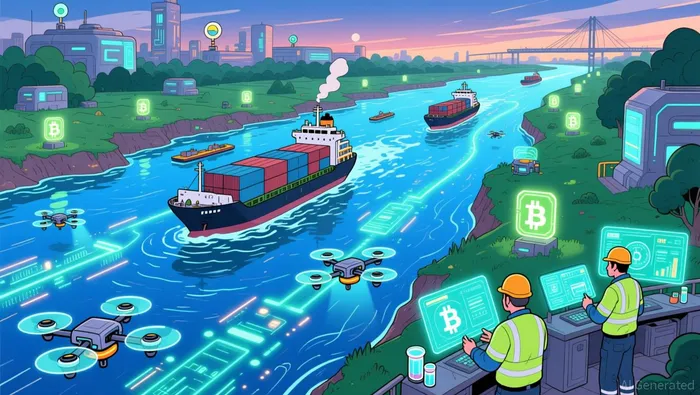 integrates blockchain with real-world testing. Waterway authorities now access permanent records of vessel movements and discharges. River's architecture ensures that environmental violation evidence remains unaltered. This creates accountability for millions of tonnes of annual cargo transport.
Illegal wastewater incidents previously faced documentation gaps that blockchain resolves. The system captures real-time information from multiple monitoring points. River enables authorities to trace pollution sources back to specific vessels or operators. Such capabilities could deter deliberate misconduct across European waterways. Enhanced oversight supports the continent's sustainable transport goals.
How Does Blockchain Technology Improve River Management Systems?
River's blockchain transforms flood and drought forecasting through verified data sharing. Weather predictions merge with actual river conditions on an immutable platform. Authorities receive reliable alerts about potential emergencies using this integrated approach. Predictive models analyze historical patterns against current blockchain records. Such accuracy helps protect communities along vulnerable waterways.
Passenger transport operators also benefit from the system's monitoring capabilities. Blockchain tracking confirms safe navigation conditions in real time. River's infrastructure prevents data tampering during incidents or investigations. The technology establishes trust between shipping companies and regulators. Europe's waterways require such coordinated solutions for growing transport volumes.
What Are the Current Implementation Stages for ReNEW?
The project undergoes testing across multiple European laboratories before full deployment. Developers focus on scaling sensor integration and data processing capabilities. River's blockchain must handle thousands of simultaneous data points from across the continent. Successful lab validation will lead to pilot programs in key river corridors.
ReNEW aims to become a flagship European Union digital infrastructure project. Officials seek to demonstrate tangible environmental protection results this year. Wider adoption depends on cargo operators accepting blockchain-based compliance protocols. River's technology provides the foundation for this continent-wide monitoring expansion. The timeline envisions operational river digital twins within major waterways by 2027.

Blending traditional trading wisdom with cutting-edge cryptocurrency insights.
Latest Articles
Stay ahead of the market.
Get curated U.S. market news, insights and key dates delivered to your inbox.






Comments
No comments yet