
RIVER Addresses Property Tax Relief Proposals and Revenue Surplus in 2026 Priorities
 Aime Summary
Wisconsin Gov. Tony Evers has proposed a $1.3 billion property tax relief plan in 2026 to address surging property taxes, citing long-term underfunding in K-12 education as a primary cause.
The state's budget surplus, estimated at $4 billion, is being considered as a potential funding source for the relief measures, with both Democratic and Republican lawmakers offering contrasting explanations for the tax increases.
Evers' legislative agenda for 2026 also includes broader affordability initiatives, such as capping insulin copays and eliminating sales tax on household goods, alongside bipartisan efforts on education and healthcare.
Wisconsin Gov. Tony Evers has prioritized affordability as a central focus of his 2026 agenda, introducing a $1.3 billion property tax relief proposal to curb rising costs for homeowners. The proposal, outlined in his final year as governor, attributes the surge in property taxes to repeated local school referendums and underfunding over time.
Evers' plan includes state funding for local governments willing to freeze property taxes, aiming to stabilize tax bills for average households. This proposal aligns with his broader affordability agenda, which also targets prescription drug costs and special education funding.
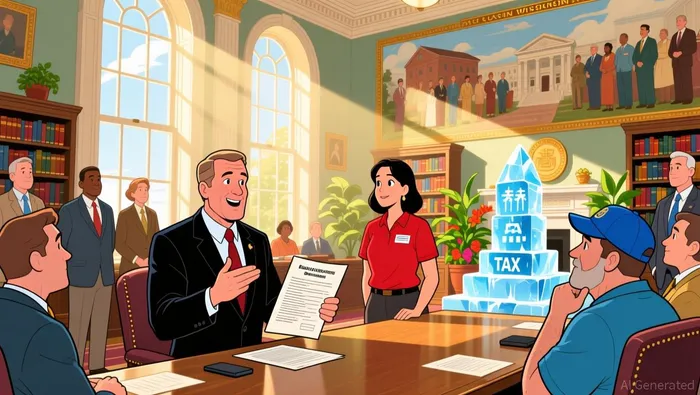
The governor has faced bipartisan disagreement over the causes of rising property taxes. Republican lawmakers point to Evers' 400-year veto of a school funding increase as a driver of long-term tax burdens, while Evers maintains that the issue stems from years of underfunding in K-12 education.
What is the Status of the Proposed Property Tax Relief Plan?
Evers' $1.3 billion relief proposal has yet to gain legislative approval from the Republican-controlled state legislature, which has expressed concerns about funding mechanisms and long-term fiscal impacts.
The proposal builds on a similar $1 billion relief plan previously introduced, which emphasized direct state funding to local governments willing to freeze property taxes. This approach aims to balance the need for education funding with the financial burden on homeowners.
The state's $4 billion budget surplus has been cited as a potential funding source by Evers, though budget analysts warn that using these funds may require careful planning to maintain fiscal stability.
How Might This Affect Wisconsin's Budget and Local Governments?
Evers has emphasized the need for bipartisan cooperation in addressing property tax concerns, highlighting successful budget negotiations in 2025 as a model for 2026.
Local governments are also exploring alternative revenue streams to manage rising costs, including zoning changes for potential residential developments on county-owned properties.
Despite these efforts, Evers' agenda faces partisan challenges, particularly regarding the long-term fiscal implications of school funding and property tax policies.
What Are the Broader Implications for the 2026 Election Year?
With rising property taxes and affordability concerns topping voter priorities, Evers' proposal aims to position him as a proactive leader on fiscal issues.
Republicans, however, continue to oppose the plan, arguing that Evers' veto of school funding increases has locked in long-term costs for taxpayers.
The final State of the State Address, scheduled for February 17, 2026, will provide Evers with a platform to further outline his agenda and seek legislative support.
The outcome of these debates will have broader implications for Wisconsin's 2026 budget and fiscal policies, particularly as the state navigates rising costs and political polarization.

Blending traditional trading wisdom with cutting-edge cryptocurrency insights.
Latest Articles
Stay ahead of the market.
Get curated U.S. market news, insights and key dates delivered to your inbox.


AInvest
PRO
AInvest
PRO



Comments
No comments yet