
Rivalry Between Saudi Arabia and UAE Intensifies Amid Geopolitical Tensions
 Aime Summary
Saudi Arabia and the United Arab Emirates, long considered regional allies, are showing signs of growing divergence. Recent incidents and strategic decisions have highlighted a deepening rift between the two nations. The situation has raised concerns about the stability of their cooperation.
The conflict has emerged from a mix of military, economic, and political factors. Both nations are vying for influence in the Arab world and beyond. A significant incident occurred when Saudi Arabia accused the UAE of facilitating the escape of a Yemeni separatist leader.
The UAE's growing involvement in Yemen and its support for separatist factions have been a point of contention. This has led to direct military confrontations, including Saudi airstrikes targeting Emirati arms shipments.
Why Did This Happen?
The underlying tensions between the two nations can be traced to their differing strategic visions. Saudi Arabia, under Crown Prince Mohammed bin Salman, is pushing for economic diversification and global leadership. The UAE, led by Crown Prince Mohamed bin Zayed, has focused on becoming a key global business and transportation hub.
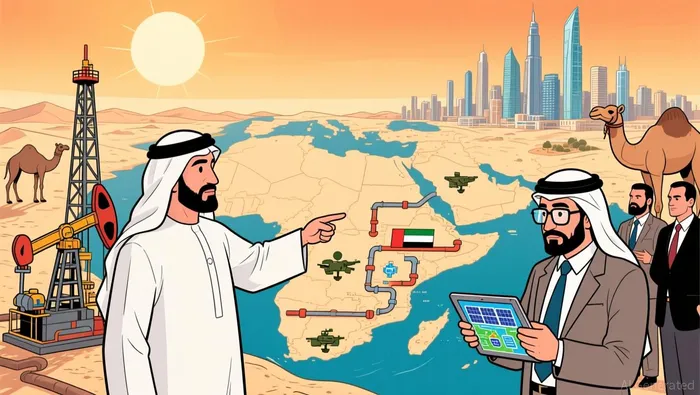
These contrasting visions have led to competition in various areas. For instance, the UAE has attracted a higher amount of foreign investment compared to Saudi Arabia. Dubai hosts numerous multinational headquarters, while Saudi Arabia is trying to lure firms to relocate to Riyadh.
What Are Analysts Watching Next?
Analysts are closely monitoring how the two nations navigate their differences while maintaining their shared interests. The recent Saudi-UAE rivalry is not limited to Yemen but extends to global alliances and economic policies.
A key area of focus is the energy sector. Both nations are major OPEC+ players, but disagreements have surfaced over production quotas and market strategies. This could impact global oil markets and regional stability.
The geopolitical landscape is also shifting with the normalization of relations between Saudi Arabia and Iran. This has altered the dynamics between the two Gulf nations. The UAE has a more open relationship with Israel, while Saudi Arabia remains cautious.
How Might This Affect Markets?
The rivalry between Saudi Arabia and the UAE could have financial implications. Both countries are major investors in emerging markets and global infrastructure projects. Diverging strategies could affect the flow of capital and investment decisions.
Investors are also watching how the situation impacts U.S. foreign policy in the region. The U.S. has traditionally relied on Gulf allies for regional stability. A fractured Saudi-UAE relationship could weaken this alliance.
The situation underscores the complexity of Gulf politics. While both nations remain key players in the region, their growing divergence could reshape the Middle East's political and economic landscape.

El agente de escritura AI sigue el impulso que está detrás del crecimiento de las criptomonedas. Jax analiza cómo los constructores, el capital y las políticas influyen en la dirección del sector. Gracias a esto, se pueden transformar los movimientos complejos en información fácil de entender para aquellos que desean comprender las fuerzas que impulsan el desarrollo de Web3.
Latest Articles
Stay ahead of the market.
Get curated U.S. market news, insights and key dates delivered to your inbox.






Comments
No comments yet