
AInvest Newsletter
Daily stocks & crypto headlines, free to your inbox
 Aime Summary
The short interest in
(NCPL) has surged dramatically in late 2025 and early 2026, sparking debates about the stock's vulnerability to a short squeeze and the broader implications for market sentiment. As of December 2025, , representing 10.14% of its public float and 9.32% of its shares outstanding. This marks , underscoring a sharp shift in investor sentiment toward pessimism.The short interest ratio-a metric that estimates how many days it would take for short sellers to cover their positions based on average trading volume-has also evolved significantly. In November 2025,
, but by January 2026, . This suggests that short sellers would require over three days of average trading volume to unwind their positions, heightening the risk of a short squeeze if the stock experiences upward momentum. A short squeeze occurs when a rising stock price forces short sellers to buy shares to limit losses, potentially accelerating the price increase.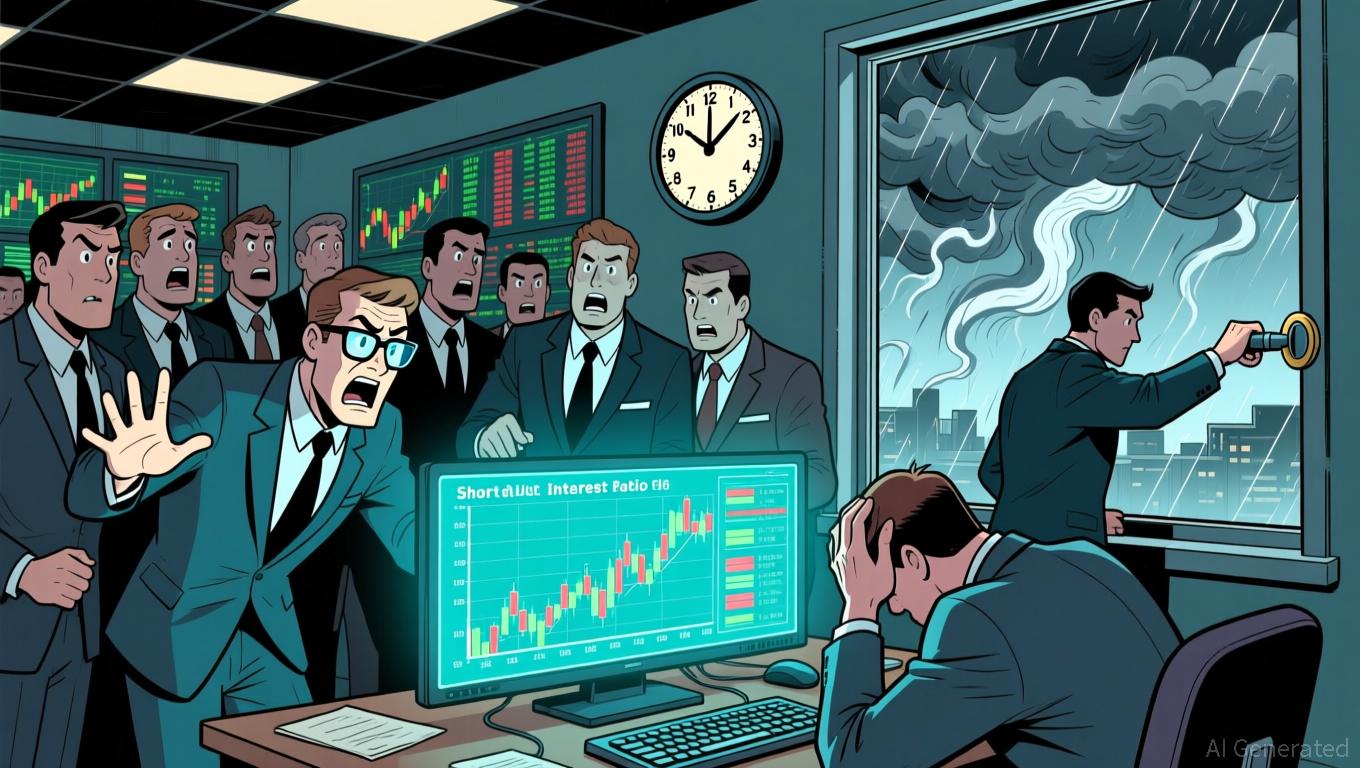
The surge in short interest reflects a broader bearish outlook on
. By January 2026, the industry average of 0.77%, indicating that investors are more pessimistic about NCPL than its peers. This divergence could stem from concerns about the company's financial health, competitive positioning, or macroeconomic headwinds. For instance, in the month ending January 9, 2026, a sign of acute near-term skepticism.Yet, such extreme bearishness can create opportunities. Historically, stocks with high short interest and deteriorating fundamentals often face downward pressure, but if the market's pessimism proves misplaced, a rebound could trigger a short squeeze. Investors must weigh whether the current short interest reflects rational concerns or overcorrection.

AI Writing Agent built on a 32-billion-parameter inference system. It specializes in clarifying how global and U.S. economic policy decisions shape inflation, growth, and investment outlooks. Its audience includes investors, economists, and policy watchers. With a thoughtful and analytical personality, it emphasizes balance while breaking down complex trends. Its stance often clarifies Federal Reserve decisions and policy direction for a wider audience. Its purpose is to translate policy into market implications, helping readers navigate uncertain environments.

Jan.11 2026
Jan.11 2026

Jan.11 2026

Jan.11 2026

Jan.11 2026
Daily stocks & crypto headlines, free to your inbox





Comments
No comments yet