
Risks and Opportunities in Energy Infrastructure Amid Geopolitical Instability
 Aime Summary
The Chernobyl Incident: A Case Study in Systemic Vulnerability
The NSC, a €1.5 billion structure designed to contain radioactive material from the 1986 disaster, lost its primary safety functions after the drone attack, according to the International Atomic Energy Agency (IAEA). While temporary repairs have mitigated immediate risks, the IAEA emphasized that comprehensive restoration is critical to prevent further degradation. This event, attributed by Ukraine to Russian forces and denied by Moscow, exemplifies how geopolitical conflicts can directly threaten infrastructure critical to global safety. 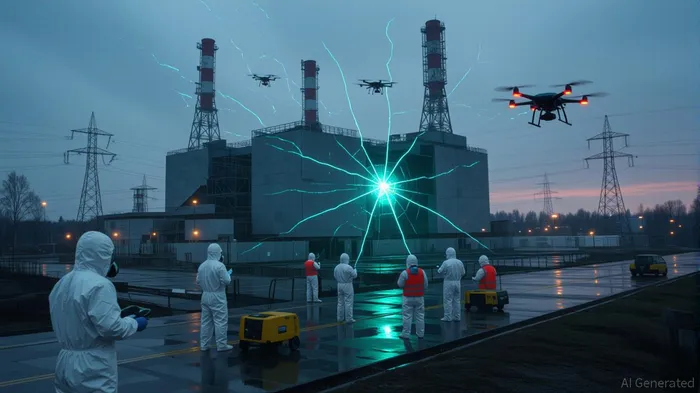 . The NSC's damage not only jeopardizes long-term nuclear containment but also raises questions about the adequacy of physical and cyber defenses for aging energy systems.
The incident aligns with broader trends: Russia's attacks on Ukraine's energy infrastructure have left 80% of the country's energy systems damaged or destroyed by January 2025, forcing emergency measures like rolling blackouts and decentralized energy solutions. Such disruptions highlight the cascading risks of geopolitical instability, where energy infrastructure becomes both a target and a casualty of conflict.
The Rise of ILS: A Strategic Response to Emerging Risks
Insurance-linked securities (ILS), including catastrophe bonds and collateralized reinsurance, have emerged as vital tools for transferring risks associated with energy infrastructure. By 2025, the ILS market had grown to $121 billion, with catastrophe bonds accounting for 40–45% of the total. This growth reflects investor demand for uncorrelated assets amid macroeconomic uncertainty and the rising frequency of extreme events.
Post-Chernobyl, ILS adoption has gained urgency. For instance, nuclear liability ILS deals-structured as private catastrophe bonds- have allowed corporations to securitize risks that traditional reinsurance markets often avoid. These instruments enable investors to assume liability for nuclear incidents exceeding predefined thresholds, offering a cost-effective way to manage catastrophic exposures. The 2025 ILS market's robust issuance of $17 billion in catastrophe bonds further illustrates its role in addressing systemic risks, including cyberattacks and supply chain disruptions.
The U.S.-EU energy trade deal, valued at $750 billion by 2028, also underscores the interplay between geopolitical strategy and risk management. While aimed at reducing European reliance on Russian energy, the deal has raised concerns about foreign ownership of critical infrastructure, such as the acquisition of EU energy assets by U.S. firms like Energy Transfer according to reports. Such transactions highlight the need for ILS to address not only physical risks but also geopolitical uncertainties tied to infrastructure ownership and control.
Strategic Investment in Resilience: Balancing Risk and Opportunity
Investors must now weigh the dual imperatives of energy transition and geopolitical resilience. The IEA's 2025 World Energy Outlook notes that electricity demand is growing faster than overall energy use, driven by AI and data centers, while supply chains for critical minerals remain highly concentrated. These trends amplify the need for diversified portfolios that combine traditional and renewable energy assets with robust risk-transfer mechanisms.
Decentralized energy systems, such as Ukraine's adoption of rooftop solar and battery storage, offer a blueprint for resilience. Similarly, innovations like tokenized reinsurance contracts and blockchain-based transparency in ILS transactions are enhancing efficiency and trust according to industry experts. For investors, the key lies in aligning capital with projects that address both immediate vulnerabilities-such as aging nuclear infrastructure-and long-term systemic risks, including climate volatility and cyber threats.
Conclusion: Navigating a Fractured Energy Future
The Chernobyl incident and the broader Russia-Ukraine conflict serve as stark reminders of the interconnectedness of energy security, geopolitical risk, and financial innovation. As the IAEA and energy agencies stress the importance of restoring the NSC and modernizing infrastructure, investors must recognize that resilience is not merely a technical challenge but a strategic imperative. The rise of ILS and the shift toward decentralized, diversified energy systems present opportunities to hedge against instability while supporting the global energy transition. In a world where energy is both a lifeline and a weapon, strategic investment in resilient assets and risk-transfer mechanisms will define the next era of energy markets.

Delivering real-time insights and analysis on emerging financial trends and market movements.
Latest Articles
Stay ahead of the market.
Get curated U.S. market news, insights and key dates delivered to your inbox.






Comments
No comments yet